
If you’re a Baby Boomer like me, navigating Relationships in today’s digital age might feel like trying to read a map upside down while driving 80 miles an hour. Everything is moving fast, people are glued to their screens, and meaningful conversations often get reduced to emojis or short, cryptic messages. I grew up in a time when connections were made face-to-face, over long phone calls, or during Sunday dinners with the whole Family. But now? It feels like I’m competing with smartphones, group chats, and endless social media scrolling. I am not alone. Many in my generation feel like we’re standing on the sidelines, watching our kids and grandkids build a new kind of world—a digital one—where the rules of connection have changed. This shift can be isolating and even heartbreaking. But understanding the “why” behind the disconnection is the first step toward building new bridges, not just between apps and devices, but between hearts and generations.
Think about the way you communicated growing up. You probably remember landline telephones, handwritten letters, and family gatherings being the cornerstone of social life. Fast-forward to today, and much of that has been replaced with rapid-fire texting, memes, and Zoom calls. The way younger generations connect is different—not necessarily worse, just different.
Millennials and Gen Z were born into Technology. They’re what sociologists call “digital natives.” My generation, on the other hand, are digital immigrants—we had to learn the language of tech later in life. This difference creates a disconnect, not just in how we communicate, but in the meaning behind communication. You might crave deep, face-to-face talks, while your kids are content sending a quick “❤️” emoji to show they care. Add to that differing values and priorities—like how younger generations often prioritize career Growth, online presence, and constant productivity—and it’s no wonder we feel out of step. It’s not about blame. It’s about recognizing that the world they were raised in is a different universe from ours.
We’ve gone from rotary phones to smartphones in just a few decades. That’s a massive leap. Younger generations thrive in fast-paced, multitasking environments where group chats, video messages, and even social media comments count as “quality time.” To us, that might feel rushed or shallow. Where are the real conversations? The laughter around the dinner table?
Texting is convenient, but it can also be impersonal. Social media lets people “stay connected,” but often without truly engaging. For Boomers, this can feel empty. You may think, “If my grandkid really wanted to talk to me, why not pick up the phone or come visit?” But for them, digital communication is simply the default. It doesn’t mean they Love you any less, it just means they show it differently. Unfortunately, these mismatched modes of expression can lead to feelings of being misunderstood or undervalued.
There is too much tech. Every time you turn around, there’s a new app, a new update, a new feature to figure out. Instagram, WhatsApp, TikTok, Snapchat—it’s exhausting. You finally get the hang of one platform, and your family has already moved on to another.
This constant evolution can leave you feeling left behind. It’s not just confusing, it’s alienating. And when tech becomes a barrier instead of a bridge, it gets harder to reach out and connect. Some Boomers choose to opt out altogether, not wanting to deal with the hassle. That’s totally understandable. But doing so can unintentionally deepen the divide. The challenge lies in finding balance learning just enough to stay in touch without letting it consume your life.
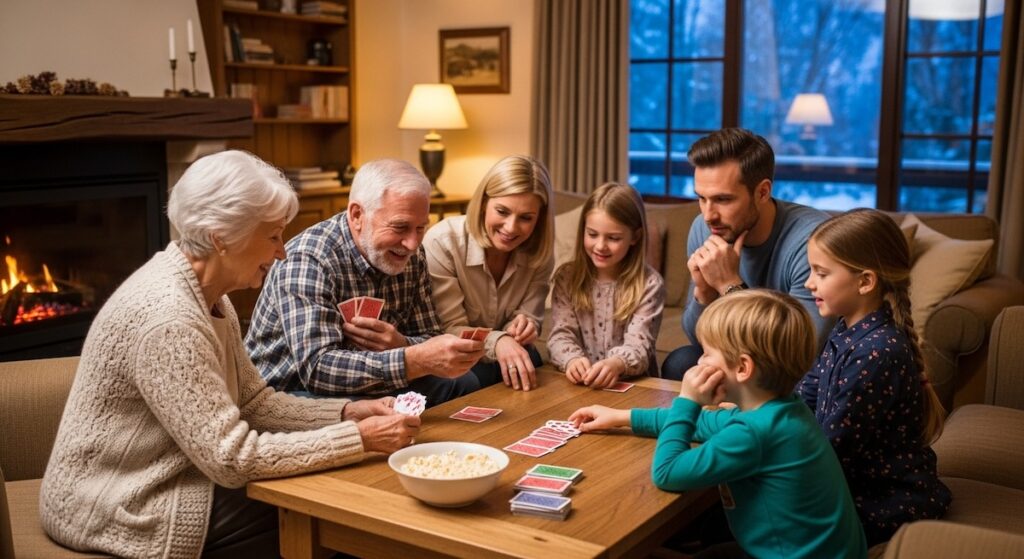
Remember when family dinners were a non-negotiable part of the week? Or when Sunday afternoons meant laughter, stories, and maybe a card game or two? For my generation, those moments weren’t just routine, they were sacred. They built bonds, created shared memories, and helped keep the family unit strong. Today, those traditions are fading. Families are scattered across cities, states, and even countries. Instead of meeting in person, people are Face Timing from airports, texting “Happy Birthday” instead of sending a card or checking in through a group chat once every few weeks. And while the intentions might still be there, the feeling isn’t the same.
Holidays—once warm gatherings full of hugs and homemade meals—can now feel sterile through a screen. A Zoom Thanksgiving doesn’t quite match the aroma of turkey in the oven or the sound of kids playing in the backyard. There’s something missing: the soul of togetherness.
This shift has created a real emotional void for many Boomers. We long for connection in its purest form—physical presence, eye contact, warmth—and it feels like that’s being replaced by cold pixels and fragmented conversations. The problem isn’t that people don’t care; it’s that the pace of modern life, combined with digital convenience, has changed how they show it. But that doesn’t mean we have to accept this loss without trying to reclaim some of that tradition—even if in a modernized form.
So, what now? You can’t rewind time or force your kids and grandkids to abandon technology. But you can take steps to close the gap. And it starts with curiosity, not criticism. Instead of saying, “You’re always on that cell phone,” try asking, “What’s something cool you’ve seen on your phone today?” Be open. Let them teach you. Even if it feels foreign at first, showing interest in their world makes them more likely to welcome you into it.
Start small. Learn how to use the apps they prefer. Create a family group chat (and keep it lighthearted). Try FaceTime once a week. The goal isn’t to become tech-savvy overnight, it’s to show effort. That alone goes a long way. At the same time, express your needs. Let your family know that while you appreciate the texts and emojis, you also crave deeper connection. Suggest specific times to talk. Plan visits. Advocate for yourself—lovingly, but firmly. Because connection isn’t just about adapting, it’s about meeting in the middle.
We often forget that both sides feel misunderstood. While Boomers feel overlooked, younger generations often feel judged. The key to connection? Mutual respect and empathy. Don’t lecture—listen. Don’t demand—invite. Share your stories, your memories, your values—but do it in a way that sparks curiosity, not guilt. For example, instead of saying, “We used to sit down as a family every night,” try, “One of my favorite memories growing up was dinner with everyone at the table. I’d love to recreate that sometime with you.” Also, be open to their world. Ask your granddaughter about her favorite YouTubers. Let your grandson show you his latest video game. When you show interest in them, they’ll be more likely to reciprocate. This kind of understanding takes time—but it’s worth it. Because when generations meet with open hearts, real connections happen.
Connection doesn’t have to look like it did in the past. It just has to feel meaningful. You can create new traditions that blend the old with the new. Start a virtual family game night. Host a Zoom cooking class with your secret lasagna recipe. Watch a Netflix movie together using the “Watch Party” feature. Or send postcards with handwritten notes—then follow up with a FaceTime call to talk about them.
If you live nearby, plan tech-free family meals. Go for walks. Visit museums. Take grandkids to places you used to love. Experiences don’t have to be big to be memorable, they just need intention. And most importantly, focus on quality over quantity. A 10-minute heartfelt conversation beats an hour of distracted scrolling. Be present, be real, and celebrate the small moments.

Connecting in the digital age isn’t easy, especially for Baby Boomers who were raised in a world of handshakes, handwritten notes, and in-person conversations. Today, everything feels faster, more fragmented, and sometimes… less meaningful.
While technology has changed the way we connect, it hasn’t erased the need for connections. That longing in your heart? It’s valid. And it’s shared by people across all generations. By understanding the generational divide, embracing new tools without losing your roots, and initiating honest, compassionate conversations, you can build meaningful relationships—even in this digital jungle. It won’t always be easy. But connection is worth fighting for. Because at the end of the day, family isn’t just about blood—it’s about being there, in whatever way you can.