
When a progressive disease enters your life, the instinct might be to slow down completely. Rest seems like the safest choice. But research and lived experience suggest otherwise. Physical activity, tailored to capacity and adjusted as abilities change, can play a meaningful role in maintaining quality of life, managing symptoms, and preserving independence for as long as possible.
For people facing conditions like Early-Onset Alzheimer’s, Parkinson’s, ALS, or other progressive illnesses, movement becomes more than Exercise. It becomes a way to stay present, connected, and engaged with the world around you.
Progressive diseases often attack multiple systems at once: physical strength, cognitive function, balance, and emotional resilience all decline together. Movement counters this decline on several fronts.
Regular physical activity helps preserve muscle mass and bone density, reduces fall risk, and maintains cardiovascular Health. For cognitive conditions like Alzheimer’s, exercise may slow cognitive decline and improve mood. Movement also provides structure to the day, a sense of purpose, and opportunities to be outdoors and connect with others.
Perhaps most importantly, staying active combats the sense of helplessness that progressive disease can bring. When you move your body deliberately, you assert agency. You push back against the narrative that the disease controls everything.
The key to sustainable physical activity with progressive illness is radical honesty about current abilities. This is not the moment to chase personal records or prove something to yourself.
Begin by assessing what you can actually do today, not what you could do last month or last year. Can you walk around the block? Great. Start there. Can you only manage ten minutes before fatigue sets in? That is the starting point.
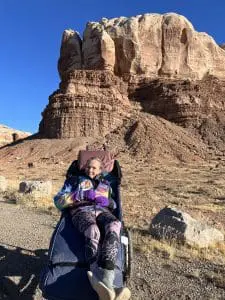
Personal experience shows this truth clearly. When Anthony Copeland-Parker and his partner Catherine faced her Early-Onset Alzheimer’s diagnosis, they did not retreat to their homes. Instead, they adapted their endurance athlete background to fit her changing abilities. They traveled the world running marathons and half-marathons in their fifties, then later modified their approach as Catherine’s condition progressed. They finished every race hand in hand, moving at a pace that honored both her condition and their commitment to shared experience.
This is the spirit to cultivate: ambitious about presence, flexible about pace.
Different progressive diseases respond well to different types of movement. The best activity is one the person will actually do.
The combination matters too. Mixing aerobic activity with flexibility work and gentle strength training creates a more complete picture of health maintenance.
Progressive disease means progressive change. What worked last month may need adjustment this month. This is not failure. It is adaptation.
Watch for signs that activity levels need scaling back: excessive fatigue that does not improve with rest, increased falls or balance problems, new pain, or emotional distress around exercise. When these appear, it is time to modify, not to stop.
A half-marathon runner might become a mile walker. A swimming enthusiast might transition to water aerobics in warmer months and chair-based movement in cooler ones. A daily ten-mile bike ride might become a three-mile ride twice weekly. These adjustments keep movement in the picture while honoring changing reality.
Communication with healthcare providers matters here. Physical therapists can assess safety and suggest modifications. Caregivers or partners can help monitor whether activity is beneficial or causing strain.
Progressive diseases bring pain and exhaustion that exercise cannot fix, but sometimes can ease. The relationship is complex.
Light movement often reduces stiffness and improves mood even when pain persists. But pushing too hard creates a deficit that takes days to recover from. The goal is finding the sweet spot: enough activity to preserve function and mood, not so much that recovery becomes impossible.
Fatigue in progressive illness is not laziness. It is a real neurological symptom. Building in rest days, exercising during peak energy hours (often morning), and accepting reduced capacity as normal all help sustain activity over time.
Motivation ebbs and flows. On hard days, the goal shrinks: a ten-minute walk instead of thirty. On good days, the goal can expand. Tracking small wins (a pleasant walk, a completed swimming session, a day with less pain) builds momentum that sustains the effort over months and years.
Movement becomes richer and more sustainable when shared. A partner who walks alongside you, a caregiver who encourages without pushing, a friend who meets you at the gym, a Family member who celebrates your efforts, these Relationships make the difference.
For someone caring for a person with progressive illness, shared activity offers unexpected gifts: time together, a break from medical appointments and symptom management, joy that has nothing to do with disease. A caregiver and care-receiver who run a race together, swim in the ocean, or walk through a park are not defined in that moment solely by illness. They are athletes, explorers, partners.
If you are a caregiver, your role includes both encouragement and realism. Push gently, but accept genuine limitations. Celebrate what is possible today.
Progressive disease is not a reason to stop moving. It is a reason to move differently, more deliberately, and often with more awareness of what that movement means. Physical activity in the face of progressive illness is a form of resistance. It says: the disease will not have everything. We will keep moving, keep living, keep showing up for each other.
Start where you are. Move in ways that feel good. Adjust as needed. Find partners or community. Do this not because the disease will pause or reverse, but because movement itself is an act of hope.
If you are navigating progressive illness alongside someone you love, know that your story matters. Others have walked this path. Their experiences, hardships, and discoveries offer both comfort and practical Wisdom for your own journey.
The post Physical Activity for People With Progressive Diseases first appeared on Running With Cat.