
Helping someone with dementia get dressed can become one of the hardest parts of the day. What used to feel automatic can turn into a stressful routine filled with confusion, resistance, and discomfort.
That is because dressing is not just about clothing. It involves memory, sequencing, balance, hand coordination, sensory comfort, and emotional Security. When those abilities change, even a familiar shirt or pair of pants can feel difficult to manage.
This is where adaptive clothing for dementia can help. The right clothing can reduce frustration, support dignity, and make daily dressing easier for both the person getting dressed and the caregiver helping.
Dressing requires a surprising number of steps. A person needs to recognize the clothing item, understand what it is for, remember the order of getting dressed, and physically manage closures, layers, and fit.
For people living with dementia, common dressing challenges may include:
Physical changes often add to the problem. Many older adults with dementia are also managing Arthritis, reduced mobility, weakness, or balance issues. That can make traditional clothing even harder to put on safely.
There is also an emotional side. Someone who once dressed independently may feel embarrassed needing help. They may become agitated if they feel rushed, confused, cold, or uncomfortable.
Adaptive clothing for dementia is everyday-looking clothing designed to make dressing easier, safer, and more comfortable for people living with memory loss and changing physical needs.
Instead of relying on small buttons, stiff zippers, or complicated closures, dementia clothing often includes features that simplify dressing and reduce Stress.
Helpful features may include:
The goal is not just convenience. Good memory care clothing helps preserve comfort, personal style, and a sense of dignity.
The best adaptive clothing for Alzheimer’s patients and people with other forms of dementia reduces the number of physical and cognitive barriers involved in dressing.
It can help by:
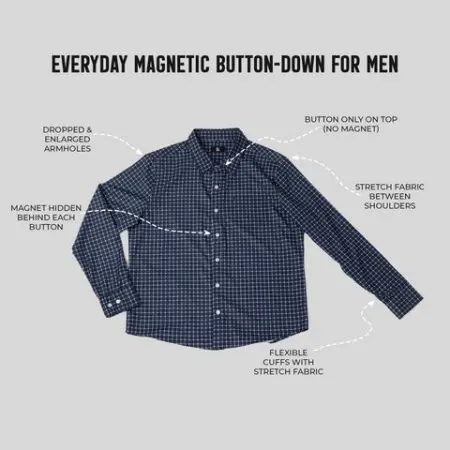
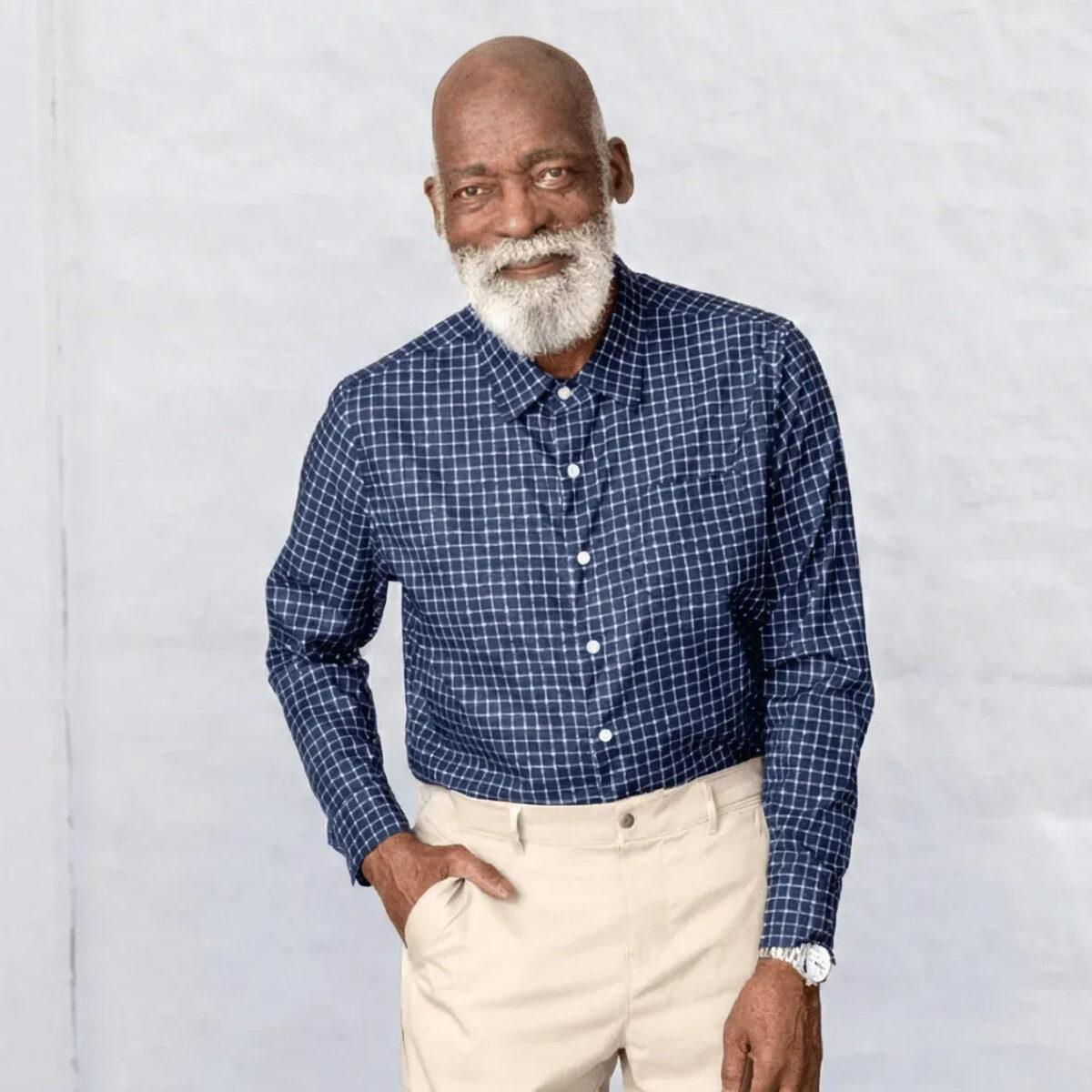
For example, magnetic shirts can look like classic button-downs while removing the difficulty of fastening small buttons. Side-zip pants can make dressing and toileting easier. Gripper socks can help reduce slips on smooth floors.
These small changes can make a big difference in daily routines.
Not all adaptive apparel is equally helpful for memory care. When choosing clothing for dementia patients, focus on comfort, Clarity, and ease of use.
Look for:
Prioritize:
Choose clothing that:
That last point matters. People are more likely to feel calm and confident in clothing that still feels like their own.
Even the best adaptive clothing works better when paired with a calm, respectful routine.
Try these approaches:
It also helps to pay attention to triggers. If a loved one resists dressing, ask whether the issue may be discomfort, confusion, temperature, embarrassment, or fear rather than simple refusal.
It may be time to switch to adaptive clothing if your loved one:
The earlier you make thoughtful changes, the easier it can be to reduce daily stress and help preserve independence.
Adaptive clothing is not only about making tasks easier. It is also about protecting dignity.
A person living with dementia may no longer explain exactly why dressing feels hard, but they still feel discomfort, embarrassment, and loss of control. Clothing that is easier to manage can help reduce those feelings.
When dressing becomes calmer, there is more room for patience, comfort, and connection. That matters just as much as the clothing itself.
Joe & Bella designs adaptive apparel to help older adults dress with more comfort, ease, and dignity. Options like magnetic shirts, side-zip pants, CareZips, and gripper socks are designed to support common memory care challenges while still looking like everyday clothing.
For families looking for adaptive clothing for dementia, the best options are often the ones that combine easier function with familiar style.
Dressing challenges are common in dementia care, but they should not be dismissed as a minor inconvenience. Clothing can either add stress to the routine or help make it gentler and more manageable.
The right adaptive clothing for dementia can reduce confusion, improve comfort, support safer dressing, and help loved ones maintain a sense of identity. For caregivers, that can mean less struggle and more calm during one of the most personal parts of the day.
Originally Published on https://joeandbella.com/blogs/news