

We have come a long way from trading goats for grain. Shopping has evolved into something far beyond a basic exchange of goods. It’s now a Lifestyle, an experience, even a form of Entertainment. From bartering in ancient villages to tapping our smartphones for one-click purchases, the way we shop has transformed dramatically. And if you think it’s slowing down, think again.
Before shopping carts, credit cards, or cash registers, there was the barter system. This was humanity’s first attempt at trade. Picture two people: one with a bag of wheat, the other with some fish. They strike a deal and swap. No receipts, no prices, just mutual need. While bartering worked for a while, it had major limitations. For example, it required a “double coincidence of wants.” You had to find someone who had what you wanted AND wanted what you had. Not exactly efficient, right?
Another challenge? Value perception. How many eggs equal one chicken? What if your goods spoil? These kinds of issues made bartering unstable and inconvenient as societies grew. Still, the barter system laid the foundation for trade. It taught people the basics of negotiation, value exchange, and commerce. Eventually, as communities became more structured, they needed a better way to facilitate transactions. And that’s when things started to shift…
Enter the birth of organized trade: the local market. If you’ve ever strolled through a farmer’s market or a village fair, you’ve basically stepped into history. Traditional markets date back thousands of years, with some of the earliest recorded in Mesopotamia and ancient Greece. These markets became hubs not just for buying and selling, but for community interaction. You didn’t just go to get your bread, you caught up on local gossip, met travelers, and experienced culture.
Stalls were typically dedicated to specific goods: fresh produce, textiles, pottery, or spices. These open-air markets were vibrant, noisy, and full of life. And most importantly, they brought variety and accessibility to consumers in a way bartering never could. Of course, payment was now often in the form of coins or early currency, which made exchanges more efficient. These local marketplaces marked the first true version of shopping as a social activity—and that concept has stuck with us ever since.
As towns developed and transportation improved, the general store became the next big thing. These were physical shops, often Family-run, located in rural or developing communities. Think of wooden shelves, glass jars full of candy, and handwritten ledgers. A general store stocked a little bit of everything: canned goods, tools, fabric, even medicine. Trading posts, especially in frontier regions, operated similarly. They weren’t just about selling—they were essential lifelines for early settlers and explorers.
What made general stores revolutionary was convenience. Instead of visiting five different stalls at a market, you could walk into one place and get most of what you needed. Sound familiar? That model never really went away, it just evolved. They also began to introduce the concept of credit—locals could “buy now, pay later,” especially during tough times. It was a system based on trust, something that seems almost foreign in our digital world today.
Now picture the late 1800s to early 1900s. Cities were booming, industry was roaring, and in came the department store—glamorous, towering, and revolutionary. Stores like Macy’s in New York and Harrods in London weren’t just places to shop. They were destinations. People dressed up to visit them. You could buy everything from gloves to furniture, all under one elegant roof. They had elevators, display windows, and seasonal sales that turned shopping into a full-blown experience.
Department stores introduced the concept of fixed prices (no more haggling), return policies, and customer service counters. They laid the groundwork for modern Retail. This was also the era when advertising took off. Brands started to matter. Shoppers began to associate products with quality and identity. Shopping was no longer just about need, it became about desire, status, and emotion.
Before the internet gave us the convenience of clicking “add to cart,” mail order catalogs were the next best thing. Imagine receiving a thick, glossy book filled with everything from furniture to farm equipment, all delivered to your doorstep—well, the doorstep of your mailbox, at least.
In the late 19th century, companies like Sears, Roebuck & Co. and Montgomery Ward revolutionized shopping for rural Americans who had little access to big-city department stores. These catalogs were lifelines. A farmer in the middle of nowhere could now order a sewing machine, a pair of boots, or even a house (yes, Sears sold DIY house kits!) and have it delivered via rail or wagon.
This model was genius. It eliminated the need for a storefront and reduced overhead costs, which meant savings for consumers. It also empowered people in isolated areas to access the same products as city dwellers, bridging a massive economic gap. Mail order catalogs laid the groundwork for the E-Commerce boom. They introduced consumers to the idea of remote shopping, delayed gratification (waiting weeks for delivery), and product returns. Sound familiar? Yep, Amazon owes a big thank-you to these 19th-century paper pioneers.
Forwarding now to post-WWII America where I grew up. Enter the shopping mall—a suburban phenomenon that turned shopping into a full-blown leisure activity. These weren’t just retail spaces; they were cultural centers. From the 1950s through the ’90s, malls became synonymous with youth culture, weekend hangouts, and consumer convenience.
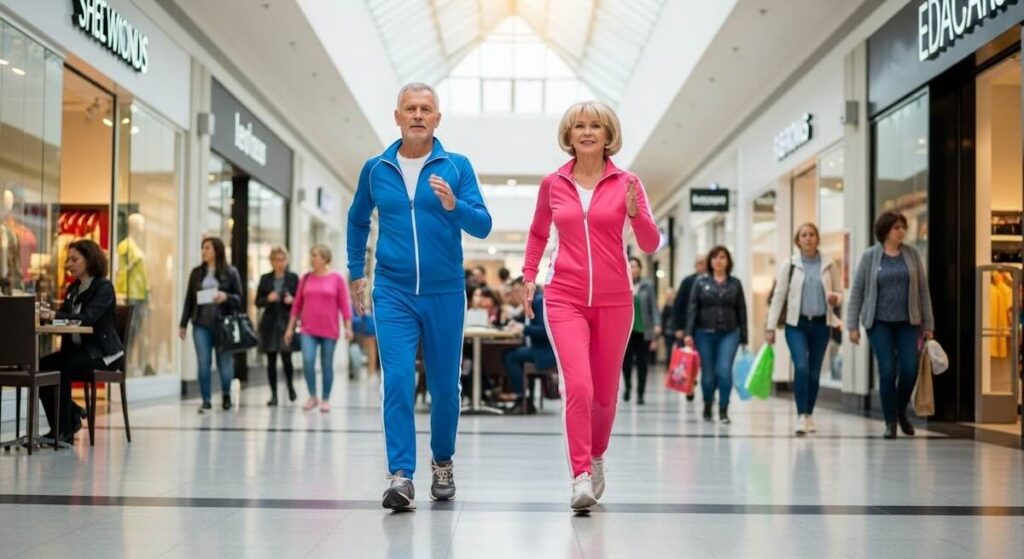
Architect Victor Gruen designed the first enclosed mall with the vision of recreating a town square. And he did just that. Suddenly, you could shop, eat, catch a movie, and people-watch—all under one roof. Add in escalators, food courts, and seasonal events, and malls became more than a retail venue—they were the social pulse of suburban life. Retail giants like JCPenney, Sears, and Macy’s served as anchor stores, pulling in foot traffic. Smaller retailers, boutiques, and kiosks filled the gaps, offering variety and competition. The rise of malls also gave birth to mall culture: think teenagers roaming the halls, Black Friday stampedes, and the ritual of “mall walking.” But of course, no empire lasts forever. With the rise of online shopping, many malls have faced decline. Still, for decades, they shaped how we thought about shopping—as both a necessity and a form of entertainment.
Then came the 1990s—and with it, the internet. And oh boy, did things change. Amazon launched in 1995 as an online bookstore. eBay was founded the same year as an auction site. Back then, people were skeptical. Would anyone really enter their credit card information online? Could you trust a website with your Money? Turns out, yes. Very much yes.
As internet speeds improved and trust in digital payments grew, e-commerce exploded. Amazon expanded beyond books, offering just about everything. Suddenly, you didn’t have to leave your house to shop. You could browse, compare prices, read reviews, and have your order delivered in days—or even hours. The early 2000s brought in digital payment services like PayPal, better online Security, and user-friendly interfaces. It was the dawn of a new era—one that prioritized convenience, speed, and selection. And the best part? E-commerce never closed. Midnight shopping sprees became a thing. Flash sales created urgency. Email marketing, retargeting ads, and loyalty programs created a whole new world of personalized retail.
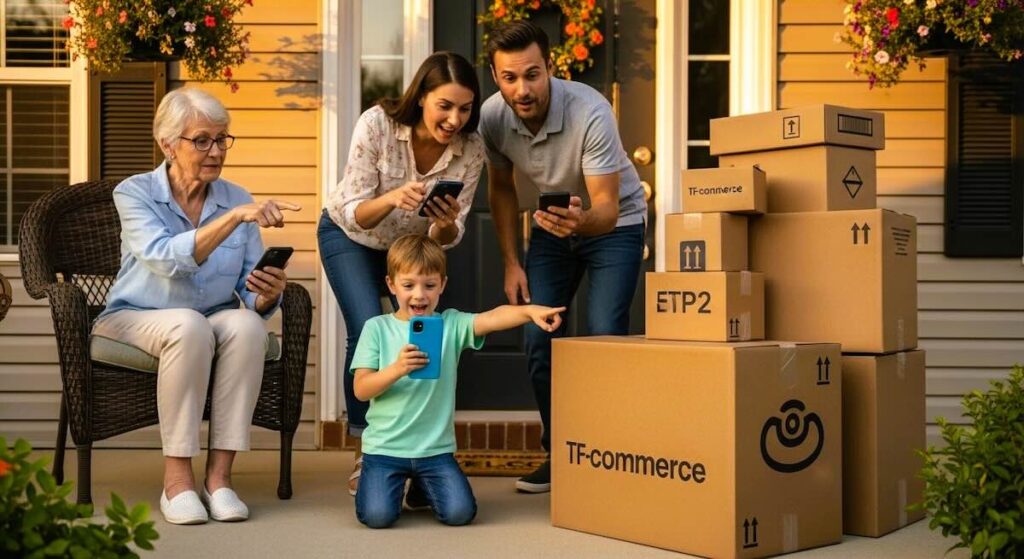
If e-commerce was a revolution, mobile commerce—or m-commerce—was the next evolution. With smartphones in our pockets, shopping became a 24/7, on-the-go experience. You could order groceries while sitting in traffic (not that I recommend it), buy shoes in bed, or book concert tickets from the gym. Retail apps made it ridiculously easy to shop anytime, anywhere. Mobile wallets like Apple Pay and Google Pay streamlined checkout. Push notifications reminded us of flash deals. And social media ads? Oh, they knew exactly what we wanted—sometimes before we did.
Retailers began optimizing for mobile—faster load times, simplified navigation, and mobile-friendly design became essential. Today, over half of all online shopping happens on mobile devices, and that number keeps rising. Mobile shopping empowered a generation of impulsive buyers and multitaskers. It blurred the line between browsing and buying, turning downtime into shopping time.
Social media didn’t just change how we connect with friends; it completely flipped the script on how we shop. Platforms like Instagram, Facebook, Pinterest, and now TikTok have transformed into full-blown shopping destinations. Scroll, double-tap, buy. That’s the new funnel. The traditional marketing model used to be a straight line: see an ad → visit a store → make a purchase. But with social media, it’s more like a loop. You might discover a product in a TikTok video, read reviews in the comments, see influencers using it, and eventually make the purchase—all without leaving the app.
Enter influencer marketing. Everyday users, celebrities, and micro-influencers now have the power to drive millions of dollars in sales with a single video. These content creators offer authenticity that traditional ads just can’t match. You trust them, and when they recommend something, it feels personal. Social commerce features—like Instagram Shops, Facebook Marketplace, and TikTok Shop—take this even further. You can now buy directly through social media platforms without ever going to a brand’s website. It’s fast, frictionless, and incredibly effective. Social media also makes it easier for brands to launch new products, test ideas, and build communities. It’s not just about selling, it’s about storytelling, engagement, and connection. This emotional connection plays a big role in shaping consumer behavior.
If the past is any indicator, it’s going to be fast, tech-driven, and tailored to you.
Here’s what’s on the horizon:
Physical stores aren’t going away, they’re just evolving. We’ll see more “experience centers” instead of traditional retail. You won’t just go to browse; you’ll go to interact, experiment, and connect. The one constant? Change. The only way to keep up is to stay curious, stay flexible, and embrace the innovation coming your way.
The shopping experience has gone from bartering over livestock to scanning QR codes in the metaverse. What a ride, right? Each phase, whether it was the buzzing local market or a sleek online checkout—served a purpose in shaping how we consume, connect, and create value.
What’s clear is that shopping isn’t just about buying stuff anymore. It’s about experience, personalization, emotion, and even identity. It’s social, ethical, and increasingly virtual. As Technology continues to evolve, so will our shopping habits. But no matter how fancy things get, one thing remains constant: we humans Love to discover, compare, and find things that make life a little easier—or a lot more exciting. So, whether you’re a mall rat like me, an online bargain hunter, or someone who loves a good AR (Augmented Reality) lipstick try-on, remember—you are part of this incredible journey. And the best part? We’re just getting started.