
I often ask myself, “Why doesn’t my grown son show any emotion?”, and now have found out that I am far from alone in trying to understand why my son is the way he is. Many parents experience this silent distance and wonder what went wrong—or if they did something wrong. It can be frustrating, heartbreaking, and even bewildering to see your child, once expressive and emotionally open in his early development, now distant or emotionally shut down. But before jumping to conclusions, it’s essential to dig deeper into what might be going on beneath the surface.
Men, especially adult sons, often carry invisible burdens. These aren’t always easy to spot, especially when masked behind a neutral face or unbothered demeanor. My son’s emotional silence may not mean he doesn’t care or feel deeply—it might mean he’s never felt safe expressing himself in a world that hasn’t always welcomed emotional men. To truly understand my son’s emotional behavior, I needed to explore a blend of societal, psychological, personal, and generational factors. It’s not just about him being “cold” or “distant”—there’s often a complex mix of influences that shape how men express (or hide) their feelings.
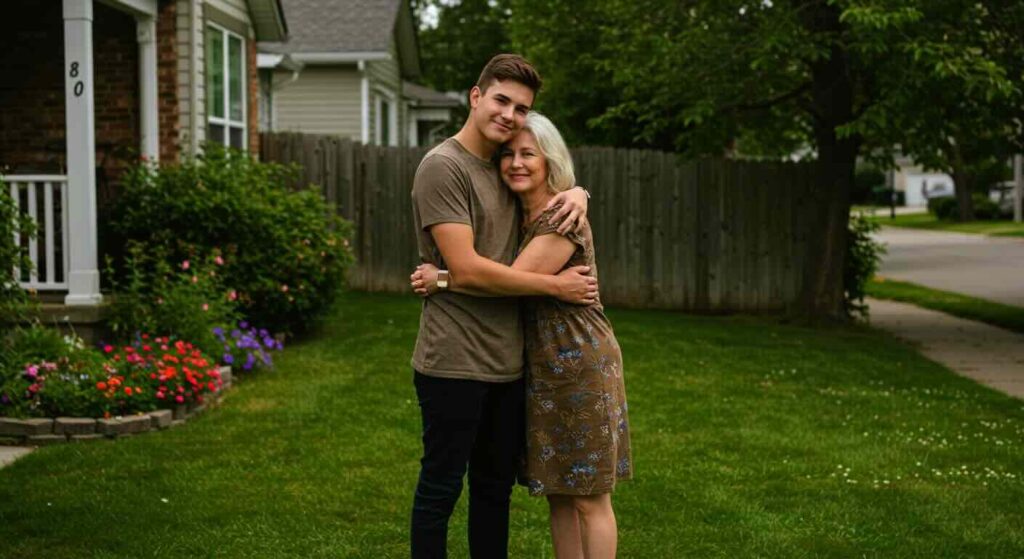
From a young age, boys are often fed a steady Diet of emotional suppression. Phrases like “boys don’t cry,” “man up,” or “be strong” are culturally ingrained, even if subtly. These messages don’t just roll off—they shape an entire emotional blueprint. If your son grew up being told, directly or indirectly, that showing sadness or vulnerability was a sign of weakness, he may have learned to bottle everything up. This kind of emotional training becomes second nature. Instead of processing Emotions outwardly, he may have internalized them, leading to emotional numbness or detachment as an adult.
It’s not necessarily that your son doesn’t feel—he might feel deeply. But he might not know how to show it or may fear judgment or rejection if he does. There’s also the Family dynamic to consider. If emotions were avoided, punished, or ignored during his childhood, it’s likely he learned to see emotional expression as something unsafe or even shameful.
Cultural background plays a massive role in how emotions are perceived and expressed. In many societies, masculinity is associated with stoicism, control, and independence. Emotional openness, on the other hand, is sometimes unfairly linked to weakness or femininity. This cultural lens can deeply impact men, especially in communities where traditional gender roles are still dominant. If your son comes from a background that values strength and self-sufficiency above vulnerability, he may have internalized the belief that emotions are a liability.
Even in more progressive settings, subtle expectations persist. Media often glorifies the “strong, silent type” as the epitome of masculinity. Over time, many men absorb this ideal and shape themselves accordingly learning to communicate through actions, not words, through solutions, not feelings. In these cases, emotional silence isn’t rejection. It’s adaptation. Your son might be trying to live up to what he believes the world expects of him.
There’s a big difference between someone who can’t feel emotions and someone who won’t show them. Emotional detachment is a defense mechanism. It’s often a learned response to protect oneself from pain, vulnerability, or emotional overload. Suppression, on the other hand, involves pushing emotions down intentionally—or subconsciously—because expressing them feels unsafe. Your son may have developed emotional suppression as a coping tool. He may be afraid that if he opens the floodgates, he’ll lose control, or worse, be judged or rejected.
Some people are taught to associate emotional expression with conflict. If your son has witnessed or experienced Trauma related to emotions—maybe heated arguments, emotional manipulation, or instability—he may have learned to shut down emotionally as a form of self-preservation. In many cases, emotional suppression doesn’t mean the emotions aren’t there. It means your son might be carrying a heavy emotional load in silence, unsure of how to unload it.
Not all emotional silence stems from trauma or social pressure. Sometimes, it’s just who your son is. Personality plays a huge role in how people express themselves, and some individuals are naturally more reserved, especially if they lean toward introversion. Introverts tend to process emotions internally rather than outwardly. They may feel just as deeply as extroverts but prefer to reflect and respond in solitude rather than through emotional outbursts or long conversations.
Your son might be the type who shows his Love through actions rather than words. He might fix your car, help around the house, or silently check in on you—not because he’s emotionally distant, but because he communicates through deeds. The key is recognizing these subtle forms of emotional expression. Not everyone wears their heart on their sleeve. Sometimes, love is quiet, steady, and unspoken.
Parents play a foundational role in shaping a child’s emotional world. Whether it was through how you responded to his emotions growing up or how emotions were discussed (or not discussed) in the household, your influence likely shaped how your son understands emotional expression today.
If the home environment emphasized discipline over dialogue, or if emotions were often dismissed with phrases like “you’ll get over it” or “stop being dramatic,” he may have grown up feeling that emotions were inconvenient or even inappropriate. Even well-intentioned Parenting that prioritized problem-solving over emotional validation can leave a child emotionally stifled.
Also, if one or both parents struggled with their own emotions—being emotionally distant, unavailable, or volatile—your son may have learned to keep his feelings under wraps to avoid conflict or rejection. These early blueprints often carry over into adulthood, even if unconsciously. This isn’t about blame—it’s about understanding patterns. Reflecting on how emotions were handled during his upbringing can offer valuable clues to why he may now seem emotionally disconnected.
Communication changes drastically as children grow into adults. What once felt like open dialogue can become strained, surface-level, or almost non-existent. You may want to talk about feelings, but your son might feel like there’s no safe or comfortable space to do so. One common gap occurs when parents continue seeing their children as “kids” rather than autonomous adults. Your son may feel that emotional conversations will be met with judgment, correction, or unsolicited advice rather than empathetic listening. This fear can shut him down before he even begins to open up.
It’s also possible that the emotional language you use isn’t the same one he resonates with. While you might expect verbal affirmations or heart-to-heart talks, he might express himself through acts of service, humor, or silence. Without understanding this emotional “language barrier,” both parties may feel disconnected. Bridging the gap begins with recognizing the shift from parent-child to adult-to-adult Relationships. That transition often opens new doors for deeper, more authentic emotional exchanges.
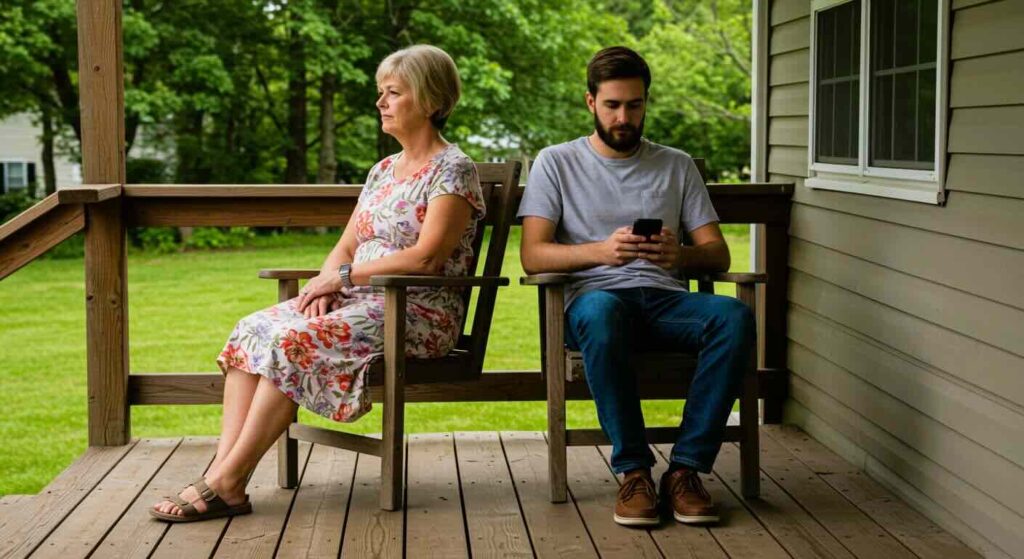
The parent-child relationship doesn’t end when kids grow up—it just transforms. And if you’re willing to grow with it, it can become one of the richest, most emotionally fulfilling connections in your life. The key is meeting your adult son where he is—not where you wish he would be. Accepting him, flaws and all, shows that love doesn’t come with strings attached. When he sees that you’re not trying to change him, he may feel safe enough to start changing on his own.
Create rituals of connection. Regular phone calls, shared meals, family traditions, or even texts with funny memes or thoughtful quotes can strengthen your bond over time. Emotional closeness isn’t always about deep conversations—it’s about consistency and presence. Keep evolving together. Life will bring changes, challenges, and milestones. Through it all, stay curious about who your son is becoming—and be willing to share who you’re becoming too.
Emotional Growth is a journey—not just for your son, but for you as well. As you navigate this path together, there will be setbacks, breakthroughs, and everything in between. What matters is that you’re walking with him—not ahead of him, not behind him, and not dragging him along.
Embrace the small changes. Celebrate the quiet moments. And most of all, never stop believing in the emotional potential that lies just beneath the surface of your son’s silence. Because sometimes, the quietest people have the deepest hearts—and all they need is someone who truly listens.
If your grown son doesn’t show emotion, don’t despair. His silence is not a reflection of your failure or a sign of indifference, it’s a complex interplay of upbringing, personality, culture, and perhaps even unhealed wounds. Approach him with empathy, patience, and genuine curiosity. Create a safe space where emotions aren’t just tolerated—they’re welcomed. Show him what it means to be emotionally expressive through your own actions. Trust that with time, compassion, and consistency, those walls will begin to fall. Remember, love isn’t always loud. Sometimes, it’s found in the quiet moments, the soft questions, the steady presence. Keep showing up—and watch what unfolds.