
The classic moment of realization—standing in the kitchen, saying something like “We don’t waste food in this house,” and suddenly hearing your mom’s voice come out of your mouth. It’s both eerie and oddly comforting, isn’t it? Your parents were your first models on how to behave, react, and interpret the world. Even if you rebelled against them, their patterns are etched into your neural pathways. Our mirror neuron brain cells help us mimic behaviors we observe, especially those we saw repeatedly as we grew up. As we age, we often reconcile parts of ourselves we once rejected. We find ourselves adopting our parents’ values not out of obedience, but because they now resonate. Boomers were shaped by parents who believed in duty, resilience and tradition. Their worldview has been subtly influencing my world view as I explore questions of ethics, responsibility and societal roles.
As Baby Boomers grow older, their social dynamics shift—often in ways that feel eerily like how their own parents behaved. Friend groups shrink, routines become sacred, and tolerance for social change can dwindle. This social evolution is not just natural—it’s deeply human.
Younger generations thrive on constant connection. Texts, social media, and meetups are norms. But for baby boomers, especially as they age, the importance of deep, long-lasting Relationships starts to outweigh casual acquaintances. This mirrors the behavior of their parents who valued loyalty and consistency in friendships over the buzz of social variety. Many boomers now prefer a quiet dinner with one or two old friends over a loud party filled with new faces. Just like their parents used to do. Boomers find comfort in structure, just like their parents did. Wake up, coffee, newspaper or TV news, walk. That’s the rhythm. And when something disrupts it? It’s a problem. The very routines we once called “boring” now feel essential. Why? Predictability offers Security. And with Aging comes an appreciation for the known over the unknown.
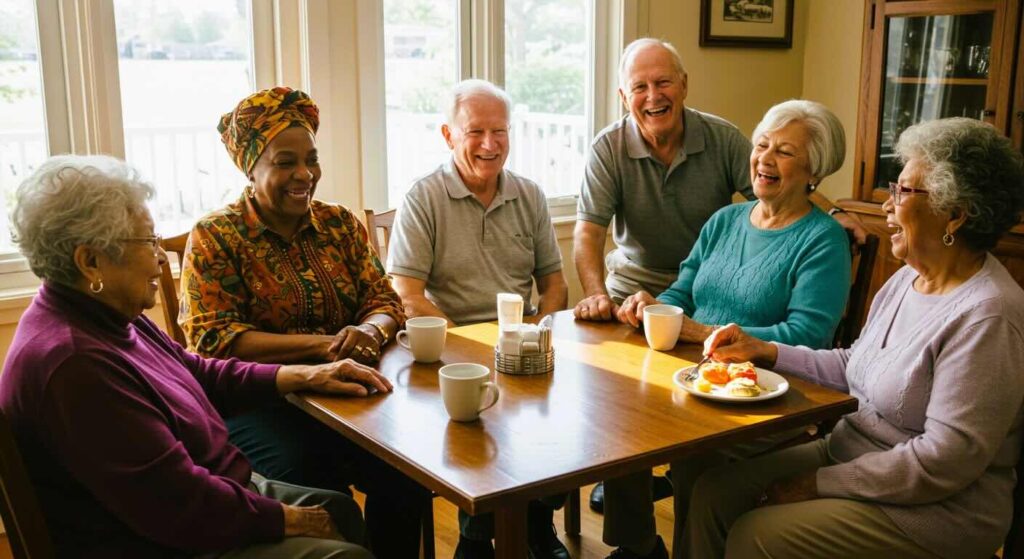
Ever caught yourself saying, “When I was your age…” or “Money doesn’t grow on trees”? That’s your parents speaking through you. Some sayings are timeless, passed from generation to generation without anyone realizing it. Baby boomers often find themselves echoing their parents in times of Stress, Parenting, or frustration. It’s not mimicry—it’s muscle memory. These phrases were repeated throughout their formative years and have rooted themselves deeply into the subconscious. Another pattern? Worry. Baby boomers express concern just like their parents did. Whether it’s the weather, money, or the news, the habit of “worrying out loud” is often inherited. And yes, complaining about prices, loud music, or “kids these days” has become surprisingly comfortable.
Traditions once seemed restrictive. Now they feel like anchors. As baby boomers become grandparents, traditions take on a new life. Holiday recipes, Family game nights, and weekend routines are no longer burdens—they’re blessings. They bring structure, nostalgia, and a way to bond across generations. Boomers are also showing increased interest in preserving family history—through old photos, handwritten recipes, or storytelling. This mirrors their parents’ desire to pass down heritage, Wisdom, and life lessons.
Health becomes a daily conversation. And suddenly, everything from high cholesterol to joint pain echoes the conversations boomers once overheard in their childhood kitchens. Talking about aches, pills and doctor visits is now the lead topic in many get-togethers. Sound familiar? That’s because it is. The same medical concerns boomers once ignored in their parents are now part of daily life. There’s a reason why vitamins are organized in labeled boxes, and doctor visits are scheduled months in advance. Fashion once defined rebellion. Now, comfort reigns supreme. Elastic waistbands, slip in shoes, and early bedtimes aren’t signs of giving up, they’re signs of growing up.
Becoming a grandparent brings the transformation full circle. Boomers now watch their children raise kids and realize—yep, they’ve become their parents. They find themselves giving the same advice, enforcing the same values, and even making the same disciplinary faces. The wisdom that once annoyed them now feels right. It’s no longer about proving a point; it’s about guiding with unconditional Love.
Look around your home. Notice anything? From furniture placement to how the thermostat is set, your surroundings may be revealing more about your transformation than you realize. Remember how your parents would scold you for leaving the lights on or “touching the thermostat”? Guess what? Now you’re the one doing it. Why? Because bills matter. Comfort matters. Energy conservation suddenly makes sense when you’re footing the cost. These small quirks of behavior are no longer annoying, they’re practical. And funny enough, they’re now part of your daily routine.
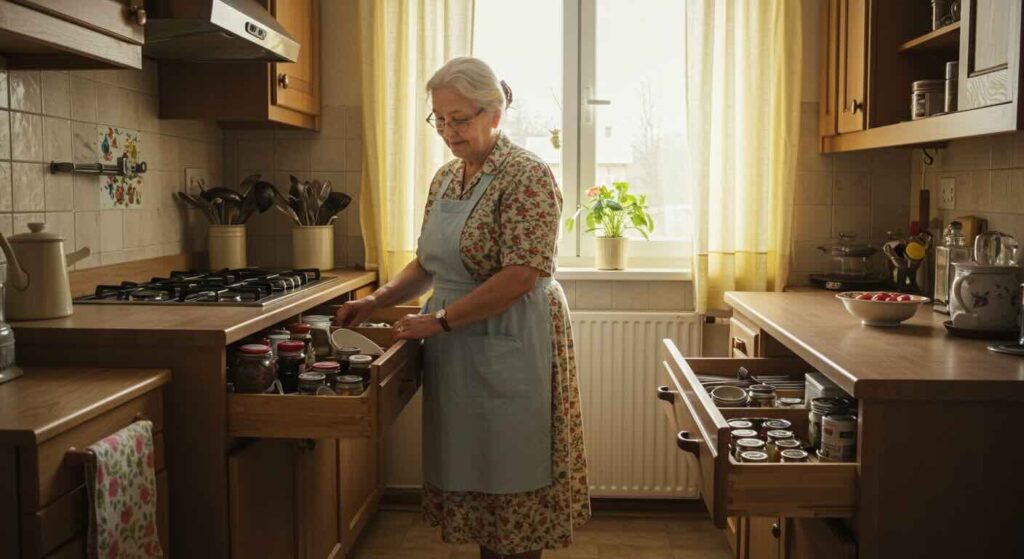
You may also find yourself following the “clean as you go” rule, organizing drawers that were previously chaotic, and getting irrationally irritated by clutter. Sound familiar? It should. These were your parents’ mantras, and now they’ve become your own. It’s not just about neatness, it’s about creating a peaceful environment, a sanctuary in a hectic world.
Boomers have started to mirror the cautious financial decisions of their parents, prioritizing stability over spontaneity. Instead of splurging, boomers now weigh every purchase. Big spending is reserved for necessities or quality—not trends. This mindset shift often happens post-Retirement, when income becomes fixed and financial freedom must be managed wisely.
Fixing instead of replacing it goes to the forefront. Why toss something out when you can fix it? Boomers are embracing their parents’ repair-first mindset, whether it’s a toaster, a chair, or a pair of jeans. It’s a quiet rebellion against throwaway culture and a nod to practicality over waste.
As music, TV, and movies evolve, many baby boomers find themselves retreating into the comfort of the past. You might find yourself watching old shows or listening to music from “back in the day” more than exploring new releases. And you’re not alone. The familiar brings comfort. Just like your parents tuned in to the same radio stations and reruns, you’re finding joy in timeless content. There’s a common critique among boomers that today’s Entertainment lacks depth, humor, or values. That same criticism was once aimed at Elvis and The Beatles. Now, it’s TikTok and mumble rap. The cycle continues, just with different names.
Becoming like your parents doesn’t just mean adopting habits, it also means gaining emotional depth. Boomers begin to understand that life isn’t just about ambition; it’s about balance. That youthful rush to achieve is replaced by a deeper patience, a value their parents once modeled, often misunderstood at the time. There’s a new appreciation for letting go of grudges, forgiving past hurts, and prioritizing peace. Emotional maturity brings Clarity, and clarity often sounds a lot like your mom’s or dad’s advice.
Turning into your parents isn’t failure, it’s evolution. It’s the slow, steady unfolding of life experience shaping your views, habits, and values. It’s the realization that the people who raised you were right more often than you thought. What seemed outdated now feels wise. What was mocked is now mimicked. And what once made you roll your eyes now brings a tear to them. This full-circle moment isn’t about becoming old—it’s about becoming whole. So, if you find yourself turning into your parents, smile. It means you’ve grown.