

If you’ve ever caught yourself thinking, “Maybe I’m too old to buy a house,” let me stop you right there. That idea is one of the most persistent myths in Real Estate, and it keeps many capable people from achieving their dream of homeownership. In reality, there’s no magic number that suddenly makes you “too old” to own a home. You can buy property at 50, 60, 70, or even 90 — as long as you meet the financial requirements. The hesitation often comes from a mix of self-doubt and outdated beliefs. Some people assume banks won’t lend to older buyers. Others think it’s financially risky because they may not live long enough to pay off a 30-year mortgage. You don’t have to be planning to live in your home for decades to make it worthwhile. You just need to be making a smart decision for your Lifestyle and financial goals right now.
Many older buyers are actually in a better position than first-time young buyers. Why? They may have savings, fewer debts, and better credit histories. They often know exactly what they want in a home and aren’t making impulse purchases. Plus, buying a home later in life can bring stability, a sense of accomplishment, and even an extra layer of financial Security.

The real Estate market today is far more welcoming to older buyers than it was even 20 years ago. Back then, lenders often assumed older applicants were riskier simply because they might not have decades of working income ahead of them. Now, thanks to anti-discrimination laws like the Equal Credit Opportunity Act, lenders can’t deny you a mortgage just because of your age. The demand for homes among retirees and older adults is also shaping the market itself. Builders are creating more single-level homes, accessible floor plans, and communities with amenities that appeal to people in their 50s, 60s, and beyond. This means you’re not just “fitting into” a market designed for young families — there’s a growing market designed specifically with you in mind.
Another important shift is in financing options. Mortgage lenders now recognize multiple types of income — including pensions, Social Security, Annuities, and investment returns. This flexibility opens the door for buyers who are no longer working full-time but still have reliable income streams. Finally, older buyers often have the advantage of purchasing in cash or with a large down payment. This can give you leverage in competitive markets, reduce the cost of your loan, and even help you bypass the mortgage process altogether if you choose.
There is absolutely no maximum legal age for buying property. You could be 25 or 95 — if you can pay for it, you can own it. The law only sets a minimum age in most countries, usually 18 years old, because you need to be able to enter into a legal contract. While the law doesn’t limit your buying age, your lender might have policies that affect older borrowers. But these aren’t about age discrimination — they’re about your financial situation and ability to repay. Lenders are required to judge based on income, debt, assets, and credit history, not your birth year. There’s also an important detail: some lenders may offer shorter-term mortgages to older buyers, not because they “expect” you to pass away sooner, but because shorter loans reduce their risk and your interest costs. Many older homebuyers actually prefer these shorter loans because they can pay off the home faster and avoid decades of interest. So, the next time someone says, “Aren’t you too old for a mortgage?”, you can confidently reply, “There’s no such thing!”
Stability and Security
Owning your own home later in life can provide a level of stability that renting simply can’t match. When you own, you’re free from the constant worry of rising rent prices or the possibility of a landlord deciding not to renew your lease. Your home becomes your safe haven — a place where you control the environment, the décor, and the rules. This stability is especially important in Retirement, when many people want to settle into a comfortable, familiar space without the Stress of moving every few years. There’s also a psychological comfort that comes from knowing the place you live is truly yours.
Financially, buying a home can protect you from inflation. Rent typically increases over time, but a fixed-rate mortgage means your housing payment stays the same. Even if you purchase the home outright with cash, you lock in your housing costs and avoid the unpredictability of rental markets.
In many cases, homeownership can even improve your quality of life. You can renovate for accessibility, plant a garden, or finally have that workshop or hobby room you’ve always wanted. These little comforts add up to a better day-to-day experience and contribute to your sense of independence.
Potential for Investment and Legacy
Buying a home isn’t just about having a roof over your head — it’s also a way to build or preserve wealth. Real estate tends to appreciate over time, meaning the home you buy today could be worth significantly more years from now. If you have children or grandchildren, your home can become part of your estate. Passing down a property can give your Family a valuable financial head start. Even if you don’t plan to leave the home to heirs, you can sell it later or rent it out to generate income.
In some cases, seniors use their property to support their retirement in creative ways. For example, you could rent out a portion of the home for extra income or take a reverse mortgage to access the equity without selling. The bottom line? A home bought later in life can still serve as a meaningful investment — both for your financial future and as part of the legacy you leave behind.
Mortgage Approval Hurdles
While age itself can’t be used to deny you a loan, lenders will still look closely at your financial situation. For older buyers, this often means proving that your income — whether from a job, retirement accounts, or Social Security — is steady enough to cover payments for the duration of the loan. Some retirees face an unusual challenge: they have substantial savings and assets, but low monthly income. Lenders typically focus on income rather than total wealth, so having millions in the bank doesn’t automatically make mortgage approval easy unless you can show a regular, reliable cash flow.
The good news is that many lenders now use asset depletion or annuity-based income calculations, which allow them to consider your retirement savings as a source of income. This can make qualifying much easier for those with significant assets but no paycheck. Still, it’s important to be prepared for more paperwork. Older buyers often must provide additional documentation to prove the sustainability of their income over the loan term.
Maintenance and Physical Effort
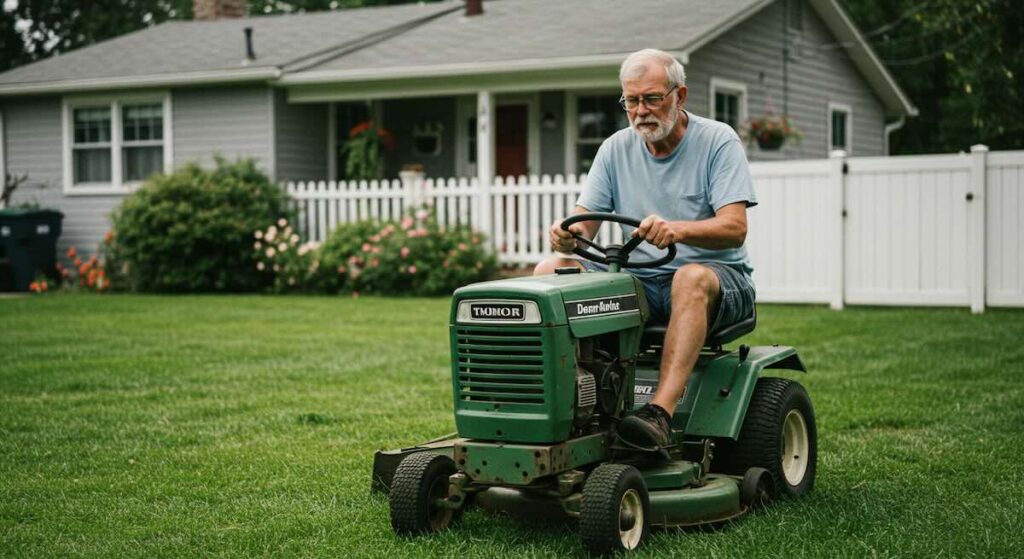
Another challenge of homeownership later in life is the physical effort involved in upkeep. Even a small property requires regular maintenance — lawn care, repairs, seasonal checks — and as we get older, these tasks can become more difficult or even unsafe. That’s why it’s important to choose a home that fits your current and future needs. A single-level home with low-maintenance landscaping might be better than a two-story house with a large yard. If you’re determined to have a bigger space, you might budget for professional help with cleaning, yard work, and repairs. Ignoring this consideration can lead to unnecessary stress and even Health risks. A home should enhance your quality of life, not become a source of constant worry or physical strain.
Buying a single-family home with a traditional mortgage isn’t the only option. Older buyers have several alternatives that meet their housing needs without the long-term commitment of a standard mortgage.
Exploring these alternatives helps you find the balance of independence, comfort, and financial security.
Should you buy or rent? Buying makes sense if you value stability, want to build equity, and are financially comfortable handling the costs. Renting may be better if you prioritize flexibility, want to avoid maintenance, or plan to move within a few years. Ask yourself:
The truth is simple: you’re never too old to buy a house. The key is to buy wisely. That means choosing a property that suits your needs, fits your budget, and enhances your lifestyle — not just today, but for years to come. Whether you’re 55 or 85, owning a home can still bring joy, security, and financial benefits. With the right planning, the right mindset, and the right property, your later years can be the perfect time to make this important investment.