

Finding Love has never been a simple task, but for baby boomer men it can feel like navigating a maze with a blindfold on. This generation grew up in a world where Dating was more straightforward: you met someone through friends, school, or work, went out for dinner or a movie, and built a relationship through face-to-face interaction. Fast forward to today, and the rules of romance have transformed beyond recognition being fast-paced, digital and deeply influenced by changing gender dynamics.
Many baby boomer men are stepping back into the dating scene after years—or even decades—of Marriage, often due to Divorce or the loss of a spouse. The challenges are not just about Technology or social changes, they’re deeply tied to generational values, personal experiences, and even self-perception. For many boomer men, the gap between how they learned about Relationships in their youth and the realities of dating in the 21st century can feel overwhelming.
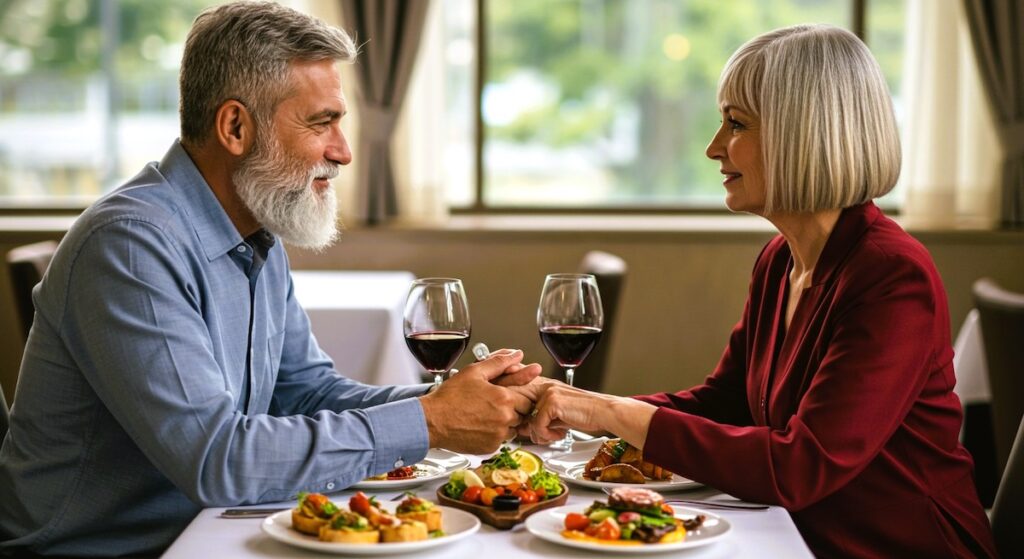
The dating world has undergone a complete transformation in the past 40 years. In the 1960s and 1970s, relationships often began in local communities—churches, workplaces, or neighborhood gatherings. Dating had a slower pace, with a focus on getting to know each other through regular in-person interactions. Today, however, the digital era has revolutionized courtship. Dating apps like Tinder, Bumble, and Match.com dominate the landscape, often emphasizing quick decisions based on photos and brief bios. While some baby boomer men have embraced these tools, many feel uncomfortable or even resistant, preferring the old-fashioned way of meeting someone in person.
Divorce has also reshaped the romantic journey for boomers. This generation experienced one of the highest divorce rates in history, meaning many men re-enter the dating world in midlife or beyond. But dating at 60 or 70 is vastly different from dating at 20 or 30. The pool of potential partners is smaller, the stakes feel higher, and the willingness to compromise is often less than in youth.
Additionally, gender roles have evolved. Women today are more financially independent, career-focused, and outspoken about their needs and boundaries. This shift means that men can’t rely solely on financial Security or traditional chivalry to build relationships—they need to adapt to a more emotionally connected and communicative style of romance.
One of the most overlooked aspects of why baby boomer men struggle to find love is the internal, emotional side of the equation. Decades of life experience bring Wisdom, but they can also bring baggage—emotional scars from divorce, loss, or failed relationships.
Many boomer men were raised to see vulnerability as weakness, so they struggle to open up about feelings, fears, or insecurities. In today’s dating culture, where emotional Intimacy is highly valued, this reluctance can be a major stumbling block.
Divorce or the death of a long-term partner can shatter confidence. Some men feel “rusty” in the dating scene, uncertain about how to flirt, communicate, or even dress for a date after so many years out of practice. When you’ve lived through multiple decades, you inevitably carry the weight of past experiences. Whether it’s unresolved hurt from a previous marriage or mistrust built over years, this baggage can create invisible walls that make it harder to connect with new partners. Overcoming these barriers requires a willingness to reflect, heal, and embrace new ways of relating—something that doesn’t come easily for everyone.
The rise of technology has been both a blessing and a curse for men seeking love. On one hand, online dating provides access to a larger pool of potential partners than ever before. On the other, it can feel impersonal, competitive, and even superficial. Many boomers feel they are at a disadvantage compared to younger men, who may be more tech-savvy or accustomed to the fast-paced nature of digital dating.
Text messages, emojis, and social media posts have replaced much of the early in-person interaction in modern dating. For men who grew up valuing phone calls or personal visits, this shift can feel unnatural. Another challenge is understanding and using social media appropriately. Some boomer men avoid it altogether, while others use it awkwardly, which can unintentionally create a negative impression. In a world where first impressions are often made online, this can be a major hurdle.
Baby boomer men grew up in an era with a rigid understanding of masculinity and gender roles. Back then, men were often expected to be stoic providers, while women took on the role of nurturers. In today’s dating world, those expectations have shifted dramatically—and sometimes, boomer men struggle to adjust. For decades, showing vulnerability was discouraged among men. Tears, open discussions about feelings, and admissions of fear or insecurity were often seen as signs of weakness. This cultural conditioning can make it difficult for boomer men to connect deeply in relationships today, where emotional intimacy is highly valued. Women now expect emotional presence and empathy, not just financial security or acts of protection.
Society often values youth, particularly in the dating scene. Many boomer men feel pressure to look younger, stay fit, and keep up with trends to remain attractive. While self-care is positive, this pressure can lead to insecurity—especially when competing for attention in a dating pool that includes younger men. Age discrimination is a very real factor. Some women automatically dismiss older men as “too set in their ways,” “less adventurous,” or even “boring.” This can make dating feel like an uphill battle, even before a first conversation takes place. Overcoming this bias requires not only confidence but also the ability to challenge stereotypes through personality, humor, and emotional connection.
Dating in your 20s rarely involves considering adult children, grandchildren, or Family expectations. For boomer men, however, these factors can strongly influence romantic decisions. Adult children may feel protective—or even suspicious—about new partners entering their father’s life. Some worry about inheritance, while others simply have trouble adjusting to seeing their parents with someone new. This can create tension and make it harder for a relationship to progress smoothly.
Friends, siblings, or extended family might question the seriousness of a new relationship, especially if the partner is younger or from a different cultural background. These opinions can weigh heavily, even on independent-minded men. At this stage of life, priorities often revolve around Health, family, hobbies, and stability. Some boomer men may genuinely want companionship but are hesitant to alter their established routines, leading to reluctance in pursuing or committing to new relationships.
Don’t be afraid to share your feelings. Emotional openness builds trust and deepens connections. Learn how to use modern dating tools, whether that’s online dating apps, social media, or video calls. Join activities that put you in social situations, like hobby clubs, community events, or Travel groups. This widens your chances of meeting like-minded people.
A healthy Lifestyle boosts not just physical well-being but also confidence. Regular Exercise, balanced nutrition, and a positive mindset can make a big difference in how you present yourself to potential partners. And be open-minded more than ever. Don’t limit yourself with rigid expectations about age, appearance, or background. The most meaningful connections come from unexpected matches.
Many women appreciate baby boomer men for their life experience, maturity, and stability. These qualities can be refreshing compared to younger men who may lack the same level of commitment or emotional grounding. However, women also notice when boomer men resist change. Stubbornness, outdated gender expectations, and an unwillingness to adapt can be seen as red flags. Women in this age group often value companionship over financial support—they’re looking for a partner who is emotionally available, fun, and open to new adventures. The takeaway? Modern dating success for boomer men depends less on age and more on attitude.
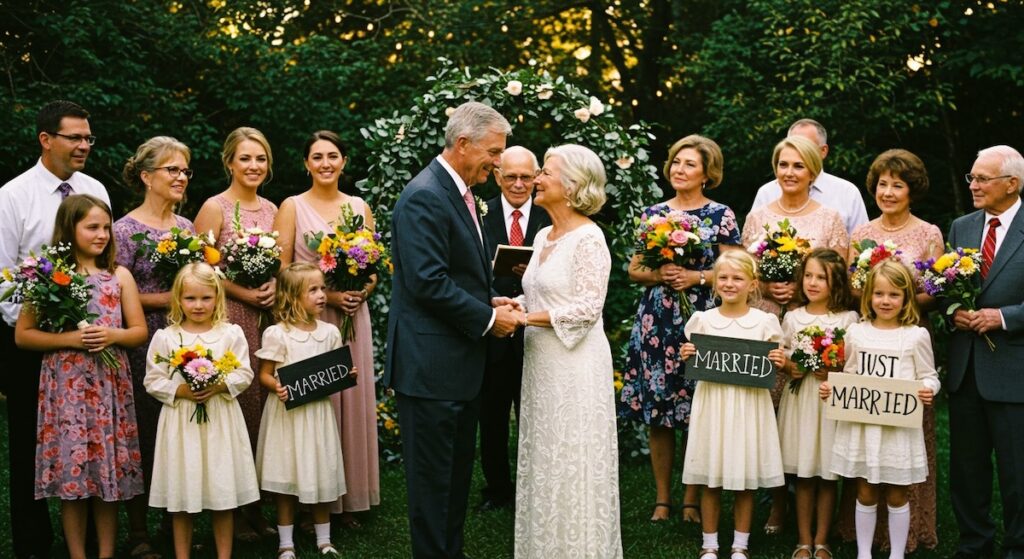
There’s a persistent belief that dating after a certain age is desperate or pointless. This couldn’t be further from the truth. Love is a universal human need, and the desire for companionship doesn’t fade with time, it simply evolves. When boomer men shed the pressure to “act young” and instead embrace who they are today, dating becomes far more authentic and enjoyable.
Baby boomer men may face unique hurdles in the search for love, but these challenges don’t make romance impossible—they simply require a different approach. By letting go of outdated expectations, embracing emotional openness, and adapting to modern dating realities, boomer men can find not only love but also a deeper sense of connection and companionship than they may have experienced before. Love in later life isn’t about recapturing the past—it’s about creating something new, meaningful, and aligned with who you’ve become.