
This Best of 2025 episode brings together the most listened-to and most shared conversations from Beyond Coaching this year.
Each segment tackles a reality coaches deal with every day:
how to build culture when not everyone plays, how to develop leaders through failure, and how to handle Stress without trying to eliminate it.
You’ll hear from Brent Hobson, Jim McNeal, and Mitch Hull—three coaches and leaders working in very different environments, but wrestling with the same leadership challenges.
Different settings. Same issues.
Leadership, pressure, failure, and building programs that last.
Episode Highlights
Brent Hobson – Value Beyond Playing Time
Not everyone plays—but everyone still shapes the culture.
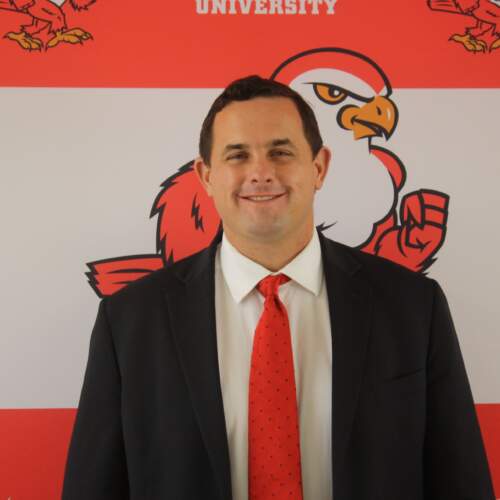
Brent Hobson, longtime head coach of Friends University Women’s Soccer, explains how he intentionally builds value for athletes who may never see the field, including why the only award in his office has nothing to do with wins or goals. This is what team-first culture looks like in practice.
Topics include:
Building value beyond the lineup
The Garland Award and why it matters
Coaching honesty without lowering standards
What’s actually changed—and hasn’t—with today’s athletes
Jim McNeal – Failure as a Leadership Tool
Jim McNeal, retired Navy Reserve Rear Admiral and leadership mentor at the U.S. Naval Academy, explains why the Academy is intentionally designed to make high achievers fail—and why that matters.
Failure isn’t accidental. It’s part of the training.
Topics include:
The Naval Academy as a leadership laboratory
Why leaders are judged on how they lead people, not just results
Helping high achievers learn to fail safely
Shifting from external success to internal standards
Mitch Hull – Stress, Pressure, and the Process
We spend a lot of time trying to remove stress from sport. Research suggests that approach often backfires.
Mitch Hull explains why stress itself isn’t the problem, why perception matters more than pressure, and how coaches reduce stress by focusing on habits, preparation, and daily execution—not the scoreboard.
Topics include:
Why “stress is bad” is the wrong message
Reframing pressure as preparation
Process-over-outcome coaching
Helping athletes perform when it matters most
Final Thought
These conversations come from different levels—college athletics, the military, and elite sport—but the leadership lessons are the same.
How we lead people. How we respond to pressure. And how we build environments that hold up over time.
Thanks for listening this year—and here are the best moments from 2025.
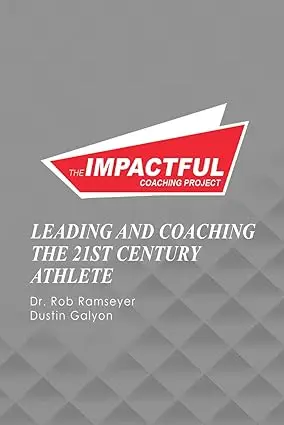
More resources at impactfulcoachingproject.com