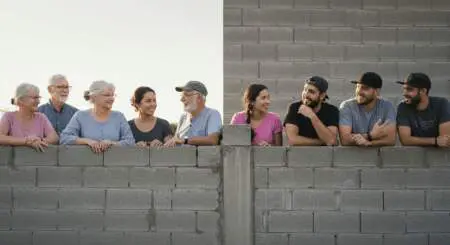

Romantic Relationships don’t come with an expiration date. Just because someone has crossed into their 60s, 70s, or even 80s, doesn’t mean their heart stops yearning for Love, connection, and Intimacy. In fact, many older adults report a richer, more fulfilling experience in love as they age. With longer lifespans and changing societal norms, the landscape of senior romance is being rewritten—often in beautiful, surprising ways. Forget the outdated notion that love is only for the young. Older adults are proving time and again that age brings Clarity, confidence, and a deeper understanding of what really matters in a relationship. Whether it’s finding love again after the loss of a partner, navigating online Dating for the first time, or enjoying companionship without the need for labels, seniors are embracing romance on their own terms.

Love in our golden years is often quite different from the whirlwind, passion-fueled relationships of youth. Older adults tend to bring a wealth of emotional intelligence and life experience to the table. They’ve been through life’s highs and lows, and they usually have a clear understanding of what they want—and what they absolutely don’t. At this stage, love becomes less about surface-level attraction and more about connection, shared values, and companionship. There’s a comfort in knowing you’re not being judged for your past or your wrinkles. In fact, many older couples find that their bonds are deeper and more emotionally satisfying than any previous relationships.
One key psychological shift that occurs with age is the ability to prioritize what truly matters. Seniors often value quality time, honesty, laughter, and emotional support over flashiness or materialism. They may have fewer illusions about love, but they also have fewer unrealistic expectations, which leads to more authentic connections. Another important aspect is the increased focus on emotional safety. Older adults are more likely to express their feelings openly, communicate effectively, and resolve conflict in a calm, mature way. They’ve been through enough to know that life is too short for unnecessary drama. That emotional clarity can create a truly nurturing and peaceful relationship environment.
Let’s look at some of the most persistent myths about romance in later life—because they’re not just wrong, they’re harmful.
Myth 1: Older People Aren’t Interested in Romance or Sex
This couldn’t be further from the truth. Many seniors remain sexually active and emotionally open to new relationships well into their 70s and beyond. It’s not about age, it’s about attitude, Health, and personal choice.
Myth 2: Dating Is Only for the Young
With the rise of senior-specific dating platforms and communities, more older adults are dating than ever before. Some are widowed, others divorced, and many are simply seeking companionship. The desire to share life with someone doesn’t go away with age—it often grows stronger.
Myth 3: Romance at This Age Is Just for Companionship
While companionship is a big part of senior relationships, that doesn’t mean passion is out the window. Many older couples report vibrant emotional and physical connections that are just as meaningful as those experienced in their younger years.
Myth 4: It’s Too Late to Fall in Love Again
Love doesn’t operate on a schedule. Countless stories show that people in their 60s, 70s, 80s, and even 90s can fall in love again—and build deeply satisfying relationships.
The truth is, age may change how we experience love, but it doesn’t lessen its value. Older adults are redefining what it means to be in a romantic relationship, showing us, that love, connection, and intimacy are timeless.
While romance later in life can be deeply fulfilling, it’s not without its hurdles. Seniors often face unique challenges that younger couples might not encounter, and navigating these can require patience, understanding, and resilience.
1. Health Issues:
Chronic Conditions, mobility limitations, or cognitive decline can impact both emotional and physical aspects of a relationship. It’s important for couples to communicate openly about medical needs, seek mutual support, and make space for empathy. Love doesn’t disappear with illness, it evolves.
2. Family Dynamics:
Adult children may struggle with the idea of a parent dating again, especially after the death of the other parent. There may be jealousy, suspicion, or protectiveness involved. Seniors need to establish clear boundaries and gently but firmly assert their right to happiness.
3. Grief and Emotional Baggage:
Many older adults come into relationships with past losses or difficult histories. Re-partnering after Divorce or the death of a spouse involves emotional healing, which can affect the pace and nature of new relationships. Taking time for self-reflection and open communication is essential.
4. Social Expectations:
There can still be societal judgment or ageist attitudes toward senior dating and intimacy. Whether it’s awkward comments or subtle disapproval, it takes courage to love unapologetically. But the reward—authentic, mature companionship—is worth it.
Despite these challenges, countless seniors are finding ways to adapt and flourish in their romantic lives. With the right support and mindset, love in later life can be not only possible but profoundly meaningful.
Think how beautiful and affirming romance can be in the later stages of life. With all the experiences, Wisdom, and lessons gathered along the way, older adults often find themselves in relationships that are less about proving something—and more about simply enjoying each other.
1. A Deeper Appreciation for Time Together:
Older couples tend to value each moment together more. There’s a shared understanding that life is precious, which adds richness to simple things like morning coffee, evening walks hand-in-hand or watching a movie together.
2. Rediscovering Purpose:
Love can reignite a sense of purpose and vitality. Seniors often describe feeling younger, more energetic, and emotionally uplifted when they’re in a healthy relationship. It’s as if a fresh chapter is being written—one filled with joy and adventure.
3. Mutual Support and Companionship:
There’s immense comfort in having someone who truly understands you. Whether it’s navigating medical appointments, celebrating grandkids’ birthdays, or facing tough days, a loving partner brings emotional strength and reassurance.
4. Inspiring Others:
Senior couples in love often become role models—showing younger generations that love doesn’t have a deadline. Their stories challenge stereotypes and remind everyone that happiness is always within reach.
5. Peace Over Pressure:
The most beautiful part of later-life romance is the absence of pressure. There’s no rush to get married, have kids, or climb life’s ladder. Love exists for its own sake—pure, intentional, and deeply human.
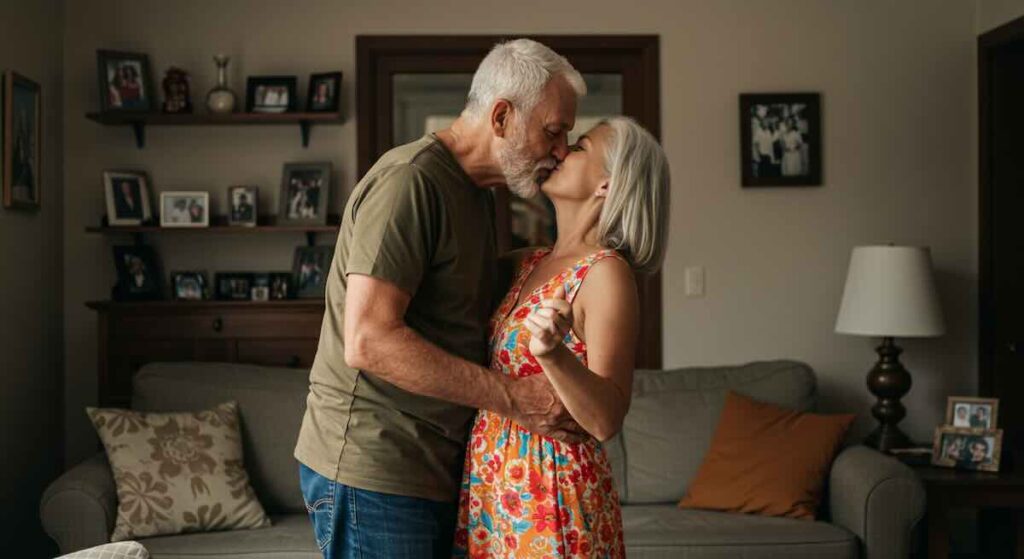
Romantic relationships in later life are far from over, they’re often just beginning in new, beautiful ways. Seniors around the world are showing that age brings clarity, emotional depth, and a greater capacity for compassion in love. Whether it’s finding a new partner after loss, redefining intimacy, or exploring companionship without Marriage, older adults are writing their own love stories—and they’re nothing short of inspiring. So, if you’re in your golden years and wondering whether it’s “too late” for romance—let this be your reminder: it’s never too late to fall in love again.
Forget the myths. Love doesn’t expire. It evolves.