
I was diagnosed with possible Ovarian Cancer on a Friday. My Gynecologist sent me to an Oncologist on Monday, and he operated by removing my ovaries and my uterus on Wednesday. After 6 sessions of Chemotherapy, I am now in remission.
Surviving cancer is no small feat. It’s a battle that tests not just your body but your entire sense of self. When treatment ends and the hospital visits become less frequent, many expect life to snap back to normal. But for most survivors, a different kind of journey begins—an emotional one filled with highs and lows. The physical scars might fade, but the emotional ones often linger far longer.
This part of survivorship doesn’t get as much attention as chemotherapy sessions or radiation schedules. Yet, it’s equally important. Emotions can range from intense relief and joy to fear, sadness, and even guilt. It’s a rollercoaster, and not everyone is prepared for the ride. Understanding these emotional fluctuations is a vital part of healing. Many survivors describe this time as the most unexpected part of their experience. The battle with cancer doesn’t necessarily end with remission. Instead, it shifts to the internal war—fighting off fears, rebuilding identity, and finding peace in the aftermath.
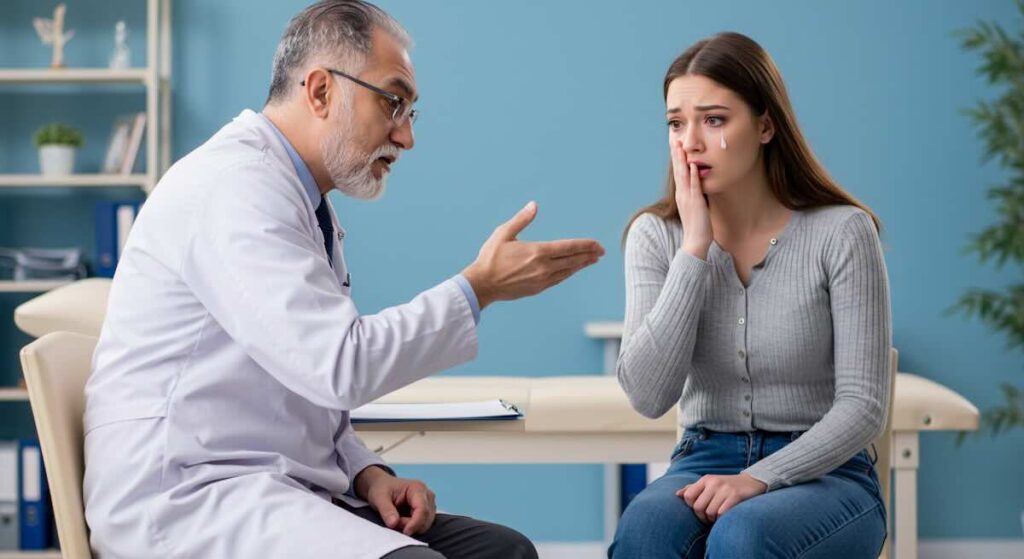
Relief and Gratitude After Beating Cancer
The initial emotion many survivors feel is a wave of relief. You’ve made it. After months or even years of treatment, the words “You’re in remission” can bring tears of joy. There’s a sense of euphoria, of being reborn. You appreciate life in ways you never did before. Even mundane things like watching the sunset or eating your favorite meal take on new meaning. It’s a powerful moment—a celebration of life.
Gratitude often follows close behind. Survivors may feel incredibly thankful for their doctors, nurses, Family, and friends who helped them through the darkest times. They may develop a deep appreciation for things previously taken for granted: time, Health, laughter, and connection. It’s like waking up to a more vibrant version of the world. However, this emotional high doesn’t always last forever. As life slowly returns to a “new normal,” the complexities of post-cancer emotions begin to creep in. Relief turns to reflection. Gratitude, while still present, is joined by other emotions that are not so easy to manage.
The Fear of Recurrence
Perhaps one of the most pervasive and haunting emotions is the fear of cancer returning. This fear can sneak in at the most unexpected times—during a routine checkup, when you feel an unfamiliar ache, or even when you read about someone else’s recurrence. It becomes a mental shadow that follows you, whispering doubts and worst-case scenarios.
This fear isn’t irrational—it’s based on real experiences. Survivors know firsthand how life can change in a moment. That knowledge brings a heightened sense of vulnerability. You might start interpreting every headache as a sign, every cough as a clue. The fear can be paralyzing, making it hard to move forward with confidence. Some survivors find themselves unable to make long-term plans because they feel like they’re living on borrowed time. They might ask, “What if it comes back?” before every major decision. This kind of Anxiety can impact Relationships, work, and overall well-being. It’s a heavy emotional burden that requires active strategies to manage.
Anxiety About the Future
In addition to the fear of recurrence, many survivors feel an overwhelming anxiety about what’s next. Treatment gave structure—there were appointments, goals, and a medical team guiding each step. Once treatment ends, that structure disappears, leaving behind a void. You’re expected to jump back into life, but how? The future, once filled with dreams, might now seem unpredictable or even scary. You may wonder about your career path, your relationships, or your purpose. Questions like “Who am I now?” and “What do I want from life?” become louder. It’s as if cancer forced a complete reboot of your personal and professional identity.
For some, this anxiety is tied to the physical and emotional toll of treatment. Fatigue, cognitive changes (often called “chemo brain”), and body image issues all contribute to a sense of unease. The old version of you no longer fits, but the new version isn’t fully defined yet. It’s a time of transition, and transitions are rarely comfortable.
Survivor’s Guilt – “Why Me and Not Them?”
One of the most confusing and heartbreaking emotions cancer survivors often deal with is survivor’s guilt. You made it through. Someone else didn’t. That realization can hit hard. Maybe you lost a friend or fellow patient during your journey. Maybe you met others who didn’t get the same positive outcome. Whatever the case, survivor’s guilt is real—and it can be deeply unsettling.
You might ask, “Why did I live and they didn’t?” or “What makes me more deserving?” These thoughts can feel impossible to answer and often lead to overwhelming guilt. Survivor’s guilt doesn’t mean you’re ungrateful, it means you care deeply about others. But left unchecked, it can steal your joy and prevent you from fully embracing your second chance in life. Some survivors try to “earn” their survival by throwing themselves into advocacy or volunteer work. Others become quiet and withdrawn, feeling they don’t deserve to be happy. It’s crucial to understand that guilt doesn’t have to define you.
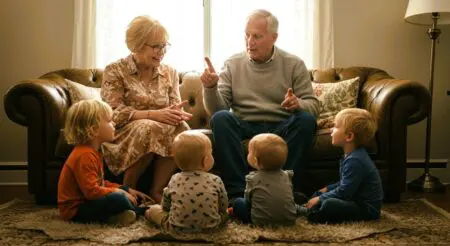
Cancer doesn’t just affect the person diagnosed—it ripples through relationships. Family members, spouses, friends—they all go through the experience with you in their own way. But once the treatments end, those dynamics can shift, sometimes in unexpected or even uncomfortable ways.
During your illness, people likely rallied around you. They cooked meals, drove you to appointments, and checked in constantly. That support is invaluable. But after you “look healthy” again, that same level of attention may fade. Some survivors feel abandoned or misunderstood. Others notice that certain relationships, once rock-solid, now feel strained. Partners and spouses may also face challenges. They may still be in caregiver mode, while the survivor is eager to regain independence. This can create tension. Children, too, might struggle with lingering fears or confusion. Communication becomes key—but it’s not always easy when emotions are running high and everyone is adjusting to a new reality.
Friendships can also be affected. Some people may distance themselves because they don’t know how to talk about cancer or they’re uncomfortable with vulnerability. It hurts, but it’s a common experience. On the flip side, survivors often find new connections with people who truly understand—whether they’re fellow survivors or simply more emotionally available friends.
Once the dust settles—when treatments are over, and the initial emotional waves calm—many survivors find themselves standing at the edge of a new chapter. It’s a time of rediscovery, reflection, and rebuilding. This part of the journey is about transformation. You’re no longer who you were before cancer, you’ve evolved.
This chapter is about reclaiming life. It might mean finding joy in simple moments, building stronger relationships, or taking risks that you never considered before. You may find yourself mentoring others, sharing your story, or becoming an advocate. Your experience, once painful and private, can become a source of strength and inspiration. There’s also a spiritual element for many. Some survivors deepen their faith or explore new belief systems. Others connect more with nature, art, or mindfulness. Whatever the path, it’s guided by a deep appreciation for life—a second chance, a renewed purpose. Healing is not linear. There will be ups and downs. But this phase is proof that it’s possible to move from survival to thriving. It’s your story, and you get to write the next chapter however you choose.
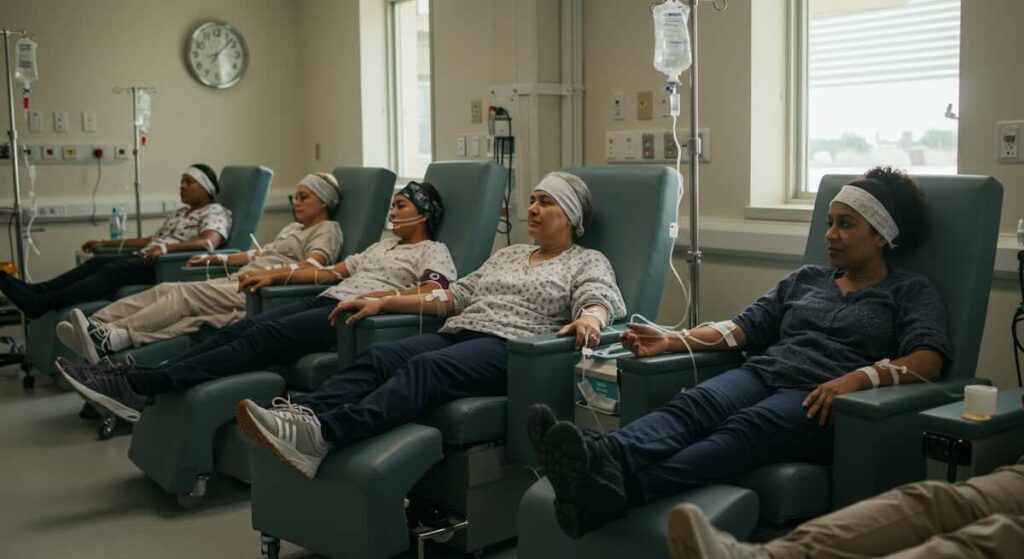
Surviving cancer is often portrayed as a finish line—a final victory after a long and grueling battle. But for those who’ve lived through it, survivorship is really just the beginning of a whole new chapter. One filled with emotional highs and lows, complex inner struggles, and moments of unexpected joy.
The emotional journey after cancer is rarely linear. You might feel overwhelming relief one day and crushing anxiety the next. Some days you’ll laugh freely, and others, you’ll cry without knowing why. That’s all part of the process. What matters is understanding that these emotions are valid, normal, and shared by countless others. From dealing with Depression and survivor’s guilt to navigating relationships and redefining purpose, the emotional ups and downs are a testament to the depth of your experience. They show how profoundly cancer changes not just your body, but your identity, your view of the world, and your place in it. But within that emotional chaos is a powerful truth: you’re still here. You’ve endured something unimaginably hard and emerged not just alive—but wiser, braver, and more deeply connected to life. There’s strength in vulnerability and power in sharing your story.
So, like me, give yourself grace. Seek support when you need it. Explore new paths. And know that healing—real, lasting healing—takes time. The emotional ups and downs may not go away, but they will shape you into someone stronger than you ever thought possible.