

What’s Inside
AI is helping, not replacing, frontline workers
Real-world examples from logistics, safety and insurance
Why Coaching beats automation in high-pressure environments
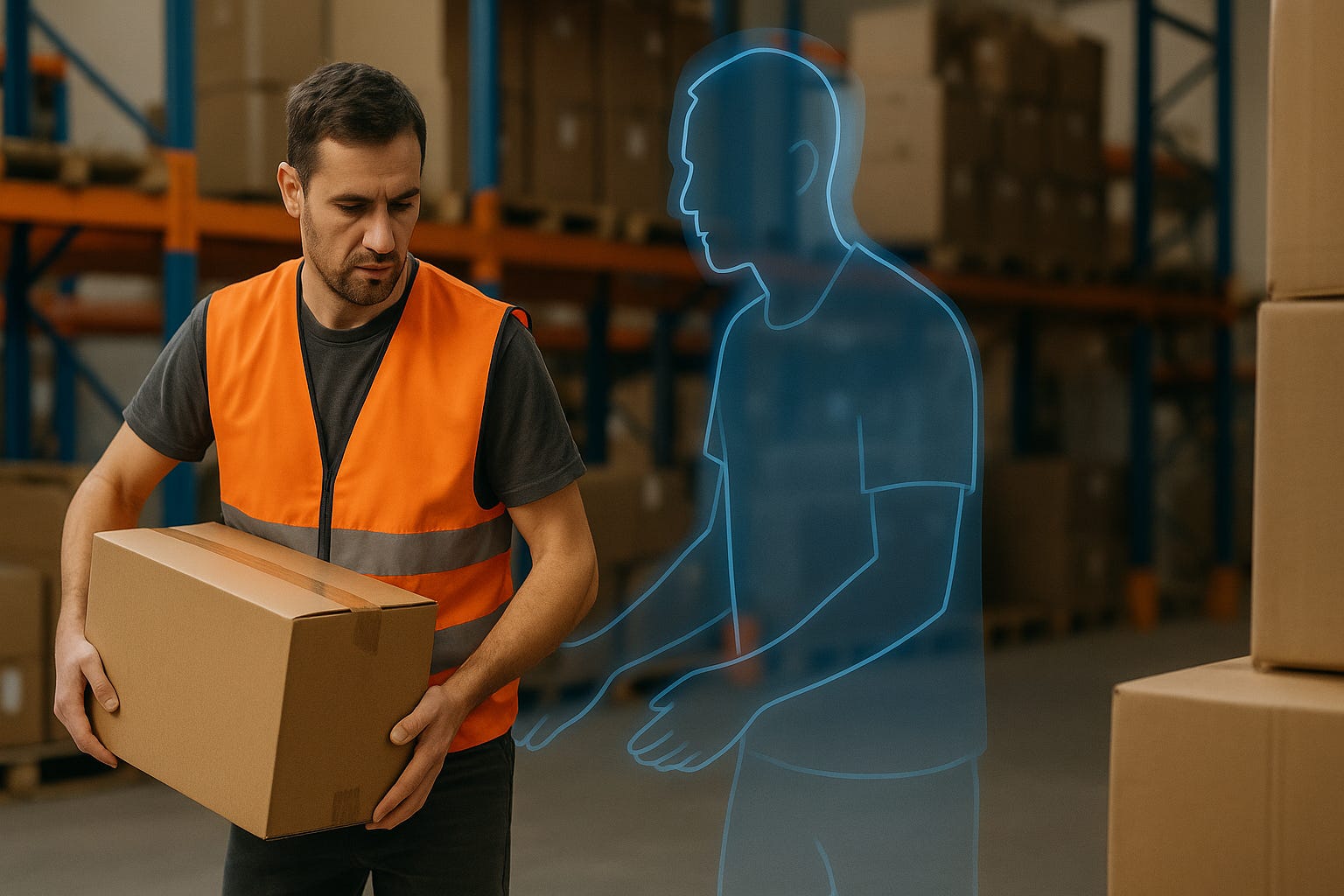
When Tehzin Chadwick describes AI’s role at UNFI, she doesn’t talk about automation replacing workers. She talks about coaching.
Speaking during a webinar last week hosted by Samsara, Chadwick, who leads safety at one of North America’s largest food distributors, said AI is already helping frontline workers adapt, improve and stay safe. She said AI is not replacing workers, but is offering real-time, personalized feedback.
“We’re using AI to give drivers more tailored coaching,” she said. “We’re helping them understand what went wrong, how to correct it, and we’re doing that in the moment.”
Those remarks push back on the growing fear that AI will lead to widespread job loss. In frontline and hourly roles, the reality is different. AI isn’t replacing these workers as much as it’s supporting them, especially those who don’t sit behind a desk.
Chadwick’s comments came as part of a broader discussion on the role of AI and machine learning in logistics during the holiday season, a peak work period for warehouse workers and others in the logistics industry.
The panel was moderated by Ilya Jackson of MIT’s Center for Transportation & Logistics and included Janelle Griffith of Marsh and Sanjit Biswas, CEO and co-founder of Samsara.
During the panel, Biswas echoed the idea about how AI isn’t being used to reduce headcount, at least not in frontline environments. Instead, he described it as a way to augment a shortage of available workers and limited teams.
“In many of these operations, the people simply aren’t there,” Biswas said. “AI becomes a force multiplier, a team expander.”
Examples of AI usage ranged from predictive hiring models that help identify high-retention candidates to machine vision systems that can detect risky driving behavior before accidents happen. Biswas pointed to “auto-coaching” features in Samsara’s platform that allow a manager to support dozens or even hundreds of workers.
From the insurance perspective, Griffith emphasized that logistics operations embracing AI training and proactive safety tools are faring better overall. She cited fewer disruptions, stronger compliance and lower risk as outcomes that align with better business performance.
“Companies that are proactive, that invest in training, that understand their data, are seeing less downtime, fewer accidents and better worker retention,” she said.
Rather than replacing humans, AI’s value may lie in how it reinforces human decision-making, especially in high-pressure, high-turnover environments like logistics.
From driving safety to predictive hiring and training, the panelists emphasized AI as a tool to support and sustain frontline roles.
As Chadwick put it: “We’re not taking away the human touch. We’re just giving it a little help.”
Editorial image generated using AI assistance. Image concept by the author.