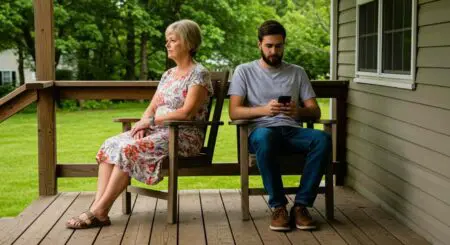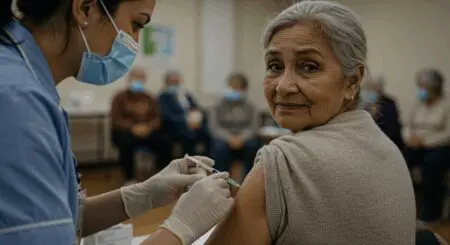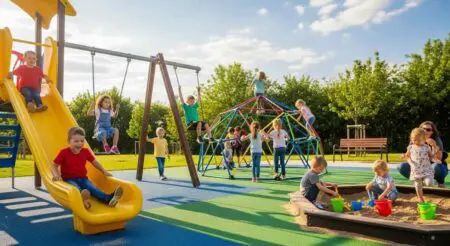

Ever wonder who’s quietly taking notes when you help a stranger or speak kindly to someone in distress? It might not just be your friends or neighbors. It’s your grandchildren—and perhaps even their grandchildren—who will remember and learn from your actions. Our everyday choices, especially those that reflect kindness, carve a moral path for those who follow us. Kindness is more than a fleeting gesture; it’s an inheritance of values; a living Legacy passed from one heart to another. Every time we make a choice rooted in empathy, compassion, and Love, we’re not just shaping our world—we’re shaping the world our grandchildren will inherit.
Our actions today echo into the future. Think about how the values your grandparents upheld still influence you today, consciously or unconsciously. Whether it’s in the form of stories your parents told, habits they practiced, or the way they treated others—those acts of kindness didn’t die with them. They live on in you, and now, they will live on in those who look up to you. That’s why it’s important to be aware of what you’re modeling. Whether you’re aware of it or not, you’re being watched—not in a creepy way, but in an inspiring, hopeful way.
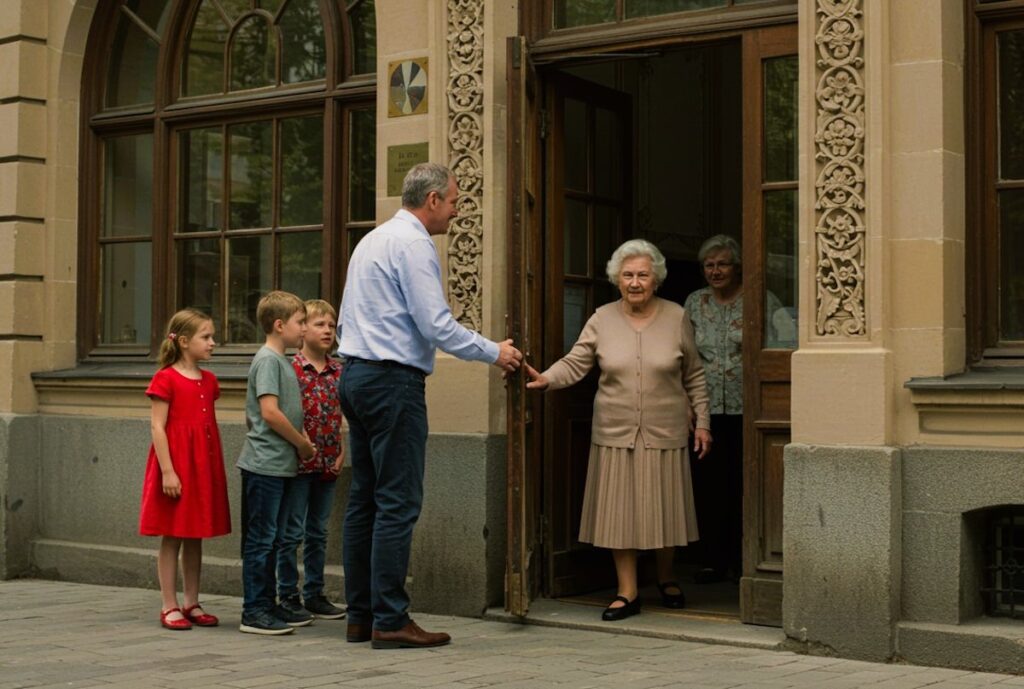
Human beings are creatures of habit and storytelling. What we do, especially consistently, becomes part of the narrative our families tell about us. If you were kind in your actions—Volunteering at a shelter, being patient with a cranky neighbor, or simply offering genuine praise—those moments are not isolated. They weave into the larger story of who you are. And those stories? They’re powerful. They become part of the emotional DNA passed down through generations.
The way you treat people during the mundane parts of life—at the grocery store, in traffic, at home when you’re tired, these are the snapshots your grandchildren will remember. You may think they’re not watching, but kids have a way of absorbing the subtle messages we send. They feel your energy. They notice your choices. And they internalize the value systems they witness day by day. It’s not just behavior that gets passed down. Emotional memory—how someone made you feel—is what sticks. People remember love, warmth, and generosity. Your kindness can set the emotional tone for generations. That legacy doesn’t require wealth or grand achievements. Just a warm smile, a forgiving heart, and a steady commitment to doing the right thing.
Think of kindness like a treasured quilt, stitched together with actions, words, and intentions from one generation to the next. These aren’t grandiose deeds—often they’re small, regular behaviors that accumulate into a rich cultural tapestry. When grandparents consistently prioritize compassion, it becomes part of the Family identity. “In our family, we help people,” is a sentence packed with power and pride. Cultures around the world rely heavily on oral traditions—stories passed down to teach lessons, share Wisdom, and guide behavior. When you tell your grandchildren about the time you stood up for someone, or forgave someone who wronged you, those stories do more than entertain—they guide. They offer templates for decision-making. They teach resilience and empathy.
When you show kindness, you create traditions. Whether it’s baking extra cookies for the neighbors, helping someone carry groceries, or saying something uplifting to a service worker—these become rituals, passed down like holiday recipes or bedtime stories. Acts of compassion, when repeated, don’t fade—they get embedded into a family’s DNA. That’s why being kind isn’t just nice, it’s necessary. It’s cultural preservation.
We’re living in an era where almost everything is documented. Social media, blogs, vlogs, and family group chats capture our lives in real-time. That means your acts of kindness, whether posted intentionally or captured by others, can live far beyond the moment they occur. And guess who’s watching these digital footprints years from now? Your grandchildren. A single Facebook post about your volunteer work, a video of you comforting someone in distress, or even a kind comment left on someone’s public page—these all serve as time capsules of empathy. They create a digital diary of your character, accessible by future generations. Imagine your grandchild scrolling through your old Instagram feed and discovering a story of you helping someone anonymously. That moment, once private, now becomes a powerful lesson in humility and altruism.
But let’s not forget the flip side. The digital world also means the absence of kindness—or worse, acts of cruelty—are also recorded. What we post, comment, and share is visible and impactful. Digital legacies can influence just as much as face-to-face interactions. Being mindful of how we use these platforms isn’t just about branding or likes—it’s about legacy. What do you want your grandchildren to learn from your online self?
Platforms like YouTube, TikTok, and even LinkedIn have become unexpected spaces for celebrating goodness. Videos of people paying for strangers’ groceries, rescuing animals, or standing up against injustice often go viral. These aren’t just feel-good moments, they’re social proof that kindness matters. These videos might become part of your grandchildren’s content Diet.
Kindness, when amplified digitally, creates what psychologists call “emotional contagion.” Watching one good deed can inspire another. This is how movements start—one shared video, one public act, one ripple effect. And when you’re the one in the video, or the one sharing it, you’re planting seeds in more minds than you realize—including those of your future lineage. But authenticity matters. People can tell when a kind act is genuine or performative. So, while the camera can capture kindness, it’s the sincerity that gives it staying power. Your grandchildren will value authenticity over virality. Focus on being real. Be kind because it’s who you are—not just for the likes or the shares.
Have you ever heard the saying, “Little eyes are always watching”? It’s truer than most of us realize. Children observe and absorb much more than we give them credit for. They mimic our tone of voice, the way we handle Stress, how we treat strangers, and especially how we treat people when there’s nothing in it for us. These observations form the bedrock of their moral compass. Children are impressionable. What they see becomes what they do. So, when you are patient in a long line instead of getting irritated, they learn patience. When you thank the delivery person or speak gently to a frustrated friend, they learn respect. These micro-moments accumulate, silently shaping their understanding of right and wrong, of compassion versus indifference.
Even when you think they’re too young to understand, they’re forming neural pathways that guide their future behavior. They may not understand why you held the door open for someone, but they’ll mimic it. They’ll associate kindness with normalcy, and when they become adults, it will be second nature. That’s how generational influence works—not through lectures, but through living example.
There’s real neuroscience backing this up. Observational learning is the process by which people, especially children, learn new behaviors simply by watching others. This concept is supported by something called mirror neurons—special brain cells that fire both when we perform an action and when we see someone else perform the same action. These mirror neurons are particularly active in children and help explain why they pick up behaviors so quickly. When a child watches you comfort a friend or forgive a mistake, their brain registers not just the action but the emotion behind it. Over time, repeated exposure to compassionate behaviors solidifies these actions as normal, expected, and even desirable. So, the next time you’re wondering whether it’s worth it to go out of your way for someone, remember: those little eyes watching you are not judging, but learning. Every kind gesture you make becomes part of a subconscious curriculum that teaches empathy, generosity, and strength through gentleness. Your grandchildren are your audience, and you’re giving them the greatest Education of all—how to be human.
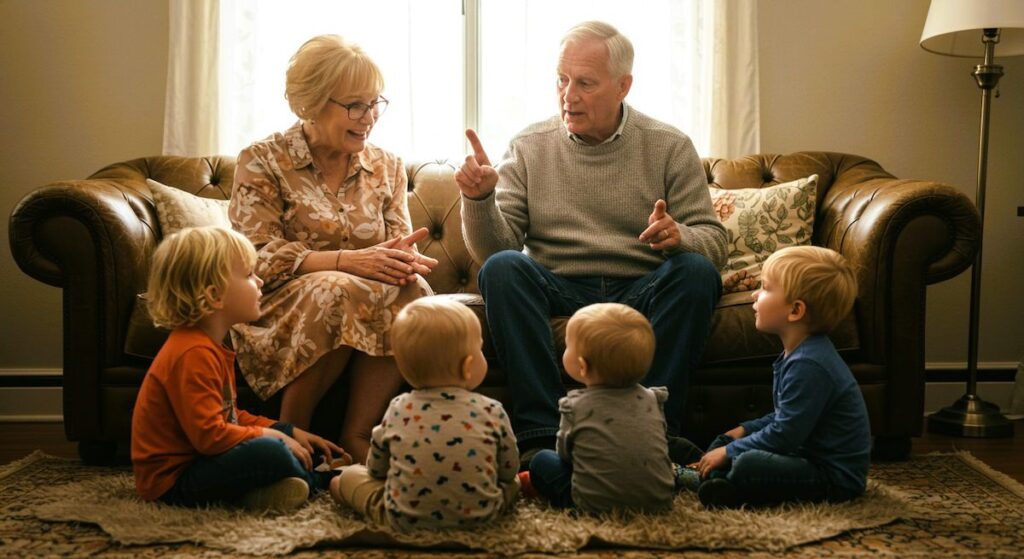
Grandparents hold a unique place in a child’s life. They’re often seen as wise, loving, and emotionally safe. That gives them an incredible platform to influence their grandchildren’s moral and emotional development. Through stories, behavior, and emotional presence, grandparents can model kindness in a way that leaves an indelible mark. Unlike parents, who are often caught up in the daily hustle of raising children, grandparents usually have more time and patience to sit, talk, and reflect. Their stories—about growing up, making tough choices, and helping others—are received with awe. And it’s in these stories that kindness lives on.
In a world that often prioritizes speed, success, and self-interest, kindness can feel like a quiet whisper. But it’s in that quiet that legacies are built. Your grandchildren are not just watching—they’re absorbing, learning, and emulating. Your acts of kindness today are shaping the moral compass of tomorrow. Whether you’re comforting a stranger, helping a neighbor, or simply offering a smile, these small gestures become the roots of a much larger tree—one that will grow in your grandchildren and blossom in their lives and Relationships.
So, ask yourself: What do I want my grandchildren to remember about me? What lessons do I want them to carry forward? Let kindness be your answer. Let your life be a testament to the simple truth that love, empathy, and compassion are the most powerful tools we have to shape a better future. Because in the end, it’s not just about what we do—but about who we inspire others to become.