

One of the most underrated superheroes inside your body is your immune system. It’s working 24/7, even when you’re fast asleep, guarding you like an invisible army. Whether it’s the flu, a cut, or even a sneaky bacteria, your immune system jumps into action to protect you from anything that could harm your Health. Think of it as your internal Security system, programmed to detect, attack, and remember intruders to keep you safe. This intricate network of cells, tissues, and organs collaborates in perfect harmony to defend you from pathogens like bacteria, viruses, fungi, and parasites. But it doesn’t stop there—it also plays a role in identifying malfunctioning cells and stopping them from becoming a problem (like Cancer cells). So, how does it all work?
Your immune system is a complex network of specialized cells and organs designed to protect your body from outside invaders and internal threats. It’s like having an elite defense squad patrolling every inch of your body, from your skin to your blood. The immune system doesn’t just sit around waiting either; it’s actively seeking out threats, identifying them, and eliminating them—often before you even realize anything was wrong. Every time you breathe, eat, touch a surface, or get a cut, you open the door to potential harmful invaders. But thanks to your immune system, most of these threats are dealt with so efficiently that you don’t even notice. It works tirelessly to keep you healthy, even though you rarely give it credit.
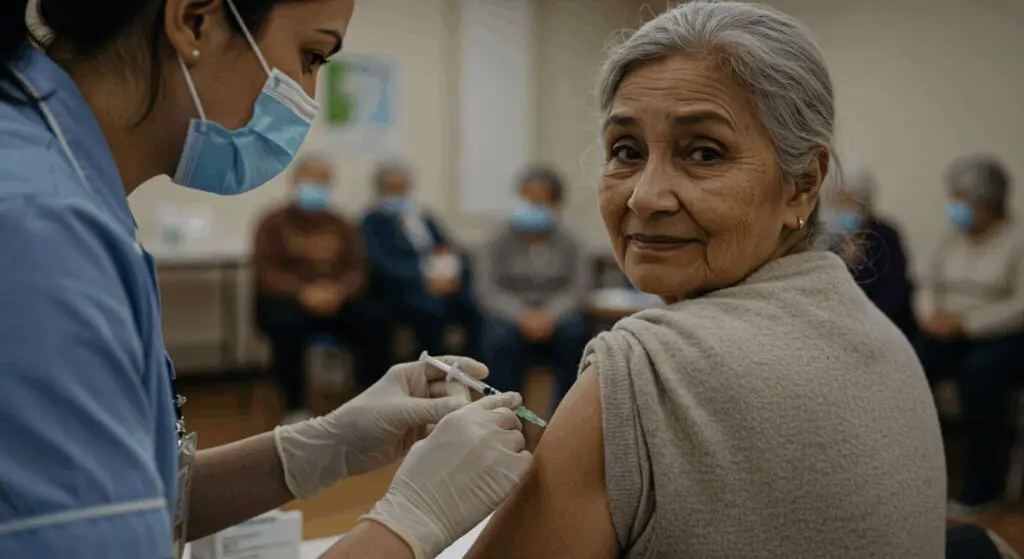
Without an immune system, even the most minor infections could become fatal. It’s the shield that keeps your body functioning and your systems in balance. From preventing everyday illnesses to managing allergies and even fighting off diseases like cancer, the immune system plays a massive role in your survival. It also maintains a memory of past infections, which means it can respond faster and more effectively if the same pathogen returns. That’s the basic idea behind vaccines—training your immune system in advance.
Your immune system comes in two flavors: innate and adaptive. They work differently but always in sync, ready to keep you safe at all costs. Innate immunity is your first line of defense—fast, fierce, and non-specific. It’s the response you’re born with. This system reacts to invaders the moment they enter your body, without needing to recognize who they are. Think of it like the guards at the gate who don’t ask questions, they just take down anything that looks suspicious. This system includes barriers like your skin, mucus, and stomach acid, as well as immune cells like phagocytes and natural killer cells. It’s always on, always ready, and provides immediate defense, even though it doesn’t adapt or remember past threats. On the other hand, adaptive immunity is like a seasoned detective. It takes time to kick in, but when it does, it’s specific and effective. This part of your immune system learns and remembers. It tailors its response to the exact type of pathogen it’s dealing with, and if that invader ever returns? It’ll be dealt with much faster next time. Adaptive immunity involves specialized cells like T cells and B cells. These cells recognize antigens—specific molecules from invaders—and respond with pinpoint accuracy. Plus, the memory cells they create ensure your body is better prepared for future battles.
Your immune system is made up of many parts, each with a unique role. They all work together like different departments in a highly organized organization.
These are the foot soldiers of your immune defense. They patrol your blood and tissues looking for threats. There are different types, like lymphocytes (T cells and B cells) and phagocytes (like macrophages), and each has a specific job—from engulfing pathogens to signaling other cells for backup.
White blood cells are produced in the bone marrow and circulate throughout your body in the blood and lymphatic system. Their presence is crucial during infections, and a high count often indicates that your immune system is actively fighting something.
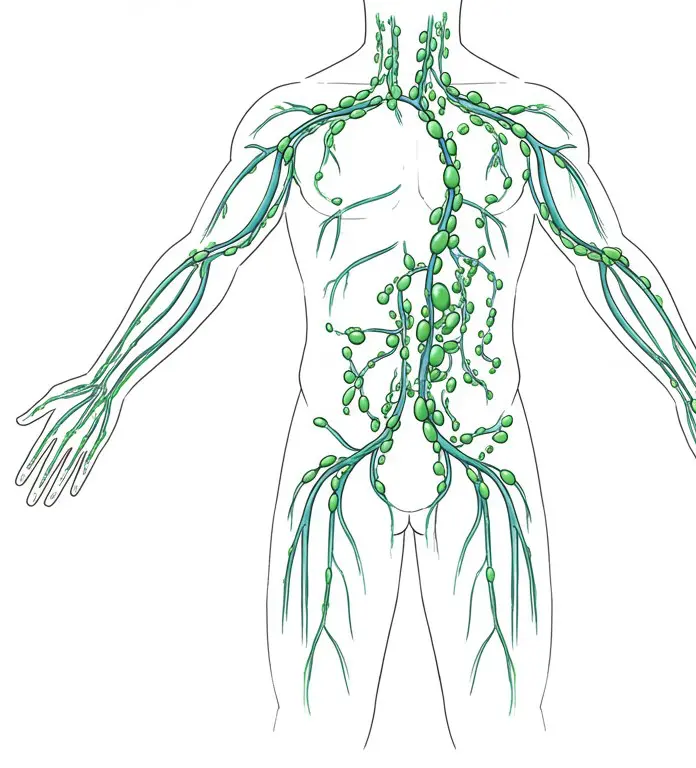
This is the immune system’s transportation network. It includes lymph nodes, lymph vessels, and lymph—a clear fluid that carries immune cells throughout your body. Lymph nodes act like military bases, where immune responses are coordinated.
When you’re sick and your lymph nodes swell, that’s because your immune cells are multiplying and preparing for battle. It’s a sign that your body is fighting back.
These organs are like the immune system’s headquarters, supply chain, and training camp all rolled into one. Now that you know the players, let’s look at the playbook. How does this system recognize and eliminate threats?
Everything that enters your body carries markers, kind of like name tags. Your immune system checks these tags to determine whether something is “self” (you) or “non-self” (a potential threat). These markers are called antigens. When a foreign antigen is detected, whether from a virus, bacteria, or another harmful substance—your immune system flags it as an invader. From here, it activates a response customized to eliminate that particular threat. Once an invader is recognized, a cascade of actions follows:
It’s like your immune system writes a cheat code for every invader it meets, making future battles easier.
Your immune system is powerful, but it needs care and support. Think of it like a high-performance vehicle—it works best when properly maintained. Nutrition really does matter. A balanced Diet is the foundation of a strong immune system. Key nutrients include:
Eating a rainbow of fruits and vegetables, along with lean proteins and healthy fats, gives your immune system the fuel it needs to fight off illness.
Let’s face it—our immune system doesn’t get enough credit. It’s your body’s full-time, round-the-clock defense squad, keeping you alive and kicking without you even realizing it most of the time. From the sniffles to life-threatening diseases, our immune system is always at the frontlines, identifying threats, adapting strategies, and remembering enemies for next time.
But it’s not invincible. Like any powerful system, it needs the right fuel, training, and care to keep performing at its best. What you eat, how you Sleep, the Stress you carry, and even how often you wash your hands—these seemingly small actions add up to a massive difference in how well our body defends itself.
Understanding our immune system isn’t just about biology, it’s about empowerment. It puts me in the driver’s seat for my health. And in a world full of germs, viruses, and stress, having a well-tuned immune system is the ultimate superpower. So go ahead—eat veggies, take that walk, get that extra hour of sleep. Our immune system will thank us in ways you can’t even see.