

Climate change used to feel like something happening in far-off places or in the distant future. But now? It’s right here, right now, and it’s silently hitting us where it hurts: our wallets. Whether it’s rising utility bills, insurance premiums, or even the price tag on your favorite groceries, climate change has crept into our everyday spending.
How does that happen, though? Simple. As the planet heats up and the weather becomes more extreme, it disrupts the natural and economic systems we rely on. Farmers grow less food due to droughts or floods, driving prices up. Energy systems strain under record heat waves or freezing storms, and repairing this damaged infrastructure comes with a hefty cost—one that’s passed on to consumers. And if you live in a flood-prone or wildfire-susceptible area, you’re already seeing insurance premiums that make your jaw drop. It’s not just about a global issue anymore. It’s about your heating bill, your car repairs, your groceries, and your Health expenses. Climate change has gone personal—and financial.
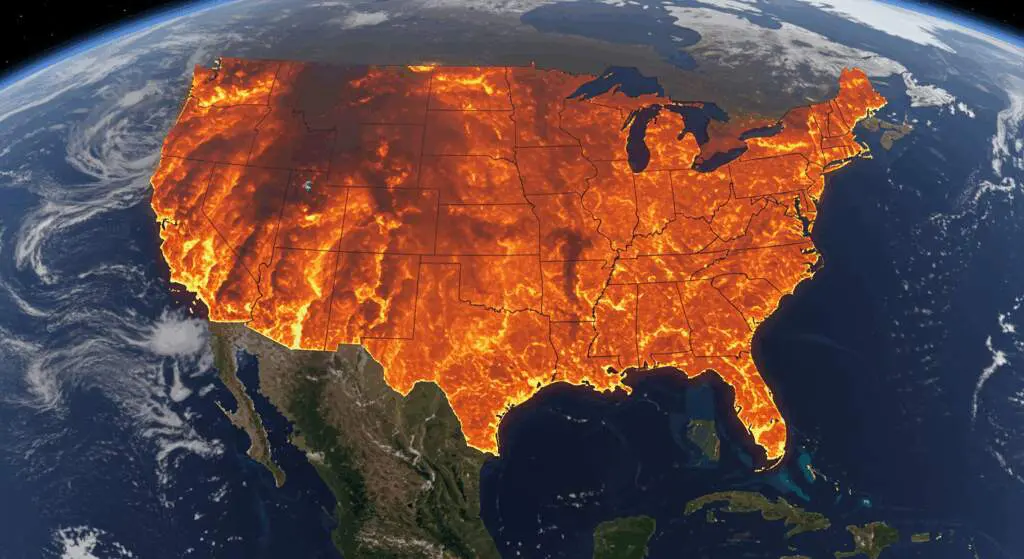
We all budget monthly, track expenses, and try to stretch a dollar wherever we can. But what if the rules of that financial game are changing without warning? That’s exactly what’s happening due to climate change. While headlines often focus on polar ice caps and endangered species, the economic ripple effects are landing right in the middle of our budgets.
You already realize that groceries cost more, even though our eating habits haven’t changed. Or maybe your water bill has crept up without using more than usual. Insurance companies are also tightening their policies and increasing premiums due to higher climate-related risks. It’s not a coincidence—it’s a pattern rooted in environmental instability. So yes, climate change isn’t just an environmental issue. It’s a financial one. And whether you know it or not, it’s already affecting your bank account.
Whether it’s the dead of winter or the peak of summer, extreme temperatures mean one thing: your HVAC system is working overtime. Summers are getting hotter, with more frequent and longer-lasting heatwaves. More AC use means more electricity, and in turn, higher monthly utility bills. Conversely, in areas where winters are becoming unpredictably colder, heating costs spike. And if you’re still relying on gas or oil heating, those costs can rise dramatically depending on supply chain issues affected by climate disruptions elsewhere. It’s not just about comfort, it’s survival. Elderly individuals or families with young children often can’t afford to take the risk of cutting back on heating or cooling. That drives energy consumption even higher, making bills soar. Utilities might also increase their rates to cover the cost of system upgrades due to storm damage or increased demand.
Climate-related events like hurricanes, wildfires, and freezing rainstorms are putting enormous pressure on the energy grid. Remember the Texas freeze in 2021? Or the California rolling blackouts during heatwaves? Those aren’t isolated incidents. They’re becoming the norm. To maintain and repair damaged grids, power companies need Money—lots of it. And where do they get it from? Ratepayers. That’s you.
Climate change is hitting the agricultural sector hard, and when farming suffers, food prices spike. Extreme heat, unpredictable rainfall, wildfires, droughts, and floods can decimate crops. Wheat, corn, coffee, even grapes for wine, they’re all sensitive to weather changes. A single failed harvest in a major producing region can cause global price hikes. Add to that the rising cost of fertilizers and water (both impacted by environmental changes), and you’ve got a recipe for inflated grocery bills.
Farmers also have to invest more in adapting to climate change, installing irrigation systems, buying crop insurance, or switching to more resilient crops. These adaptation costs are passed on to consumers. And it doesn’t stop with produce. Livestock farming is also affected. Drought conditions reduce available feed and water, which raises the cost of meat, dairy, and poultry.
Even if food is grown successfully, getting it to your table is becoming more expensive because climate change is wreaking havoc on supply chains. Flooded roads, collapsed bridges, frozen ports, and heat-damaged railways delay shipments and increase transportation costs. Perishable goods like dairy and fruit are especially vulnerable to delays. Refrigerated transport requires more energy during extreme heat events, which again costs more. When transport companies face higher fuel and repair bills due to weather disruptions, they pass those costs up the supply chain—and eventually, onto you, the shopper. So, even if the farm is fine, the food’s journey to your plate is anything but cheap.
Climate change has drastically increased the frequency and severity of natural disasters like hurricanes, wildfires, floods, and tornadoes. Insurers are scrambling to keep up, and unfortunately, that means you’re footing the bill.
Let’s say you live near a coastline. Rising sea levels and more powerful hurricanes put your home at greater risk of flooding. Insurers react by either raising premiums dramatically or pulling out of those markets altogether. The same goes for people in wildfire-prone regions of California or Colorado. If you’ve had a close call—or even if someone nearby has—you can expect your fire insurance to spike.
Worse still, insurance companies aren’t shy about passing climate-related losses on to all policyholders, even if you’re not in a danger zone. So yes, even your seemingly safe suburban home in the Midwest could see premium hikes because insurers are trying to stay solvent across the board.
If you’re thinking about buying or selling a home, climate change should definitely be part of your financial strategy. Properties in high-risk areas—whether due to fire, flood, or hurricanes—are becoming harder to sell. Buyers don’t want the added cost of steep insurance premiums or the Stress of repeated evacuations and repairs. What’s more, mortgages are harder to secure for homes in climate-threatened zones. Lenders don’t want to invest in assets that could be underwater—literally or financially—in 10 years. This means homeownership is becoming more complicated and more expensive for millions.
There are smart ways to protect your finances from climate chaos. Start by taking a good look at your insurance. Is your home adequately covered for floods, fires, or storms? Are your premiums going to skyrocket soon? Shop around and consider bundling or upgrading to more comprehensive plans.
Review your monthly expenses. Are there ways to cut your utility bills through better insulation, smart thermostats, or switching to solar? These upgrades often pay for themselves in just a few years. And finally, have an emergency fund. Climate-related disruptions can cause job losses, healthcare costs, and relocation expenses. Having at least three to six months of living expenses saved can be a financial lifeline. Ignoring the problem won’t make it cheaper. Acting on it might just save you more than you ever expected.