
Lisa begins a thought-provoking two-part conversation inspired by the well-known Nun Study of Aging and Alzheimer’s Disease. This landmark research followed 678 Catholic nuns from the School Sisters of Notre Dame and offered rare insight into aging, memory, brain Health, and Alzheimer’s disease.
In Part 1, Lisa explores why the findings of the Nun Study were so surprising then and remain important today. The study revealed that some individuals showed significant Alzheimer’s-related brain changes, such as plaques and tangles, yet did not display obvious dementia symptoms during life. This raises an important question: Are we looking at dementia and Alzheimer’s disease too narrowly?
Lisa discusses how early-life Education, language ability, writing complexity, positive emotional expression, physical activity, vascular health, and cognitive reserve may all play a role in how dementia symptoms appear, or sometimes do not appear, even when disease-related changes are present in the brain.
This episode helps listeners better understand that Alzheimer’s and dementia are not always as straightforward as a diagnosis, a brain scan, or one single explanation. The brain is complex, and so are the factors that influence memory, thinking, and aging.
In This Episode, Lisa Talks About:
Key Takeaway
The Nun Study challenged the idea that brain changes alone determine whether someone will experience dementia symptoms. While amyloid plaques and tau tangles are important markers of Alzheimer’s disease, they do not tell the whole story. Cognitive reserve, vascular health, lifelong learning, social engagement, emotional well-being, and overall lifestyle may all influence how the disease shows up in a person’s life.
Why This Matters for Caregivers and Families
For families caring for someone living with dementia, this episode offers a deeper and more compassionate understanding of the disease. It reminds us that dementia is not simply one thing, caused by one factor, or experienced the same way by every person.
Understanding this can help caregivers move away from fear and confusion and toward a more informed, person-centered approach to care.
Resources Mentioned
Closing Thought
Dementia research continues to evolve, and the Nun Study remains one of the most important reminders that the human brain is far more complex than we once believed. Part 1 opens the door to a deeper conversation about diagnosis, prevention, and what it really means to understand Alzheimer’s disease.
About the Host:
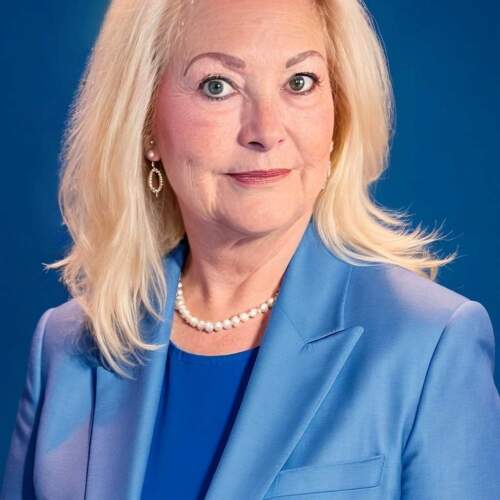
Author Lisa Skinner is a behavioral specialist with expertise in Alzheimer’s disease and related dementia. In her 30+year career working with Family members and caregivers, Lisa has taught them how to successfully navigate the many challenges that accompany this heartbreaking disease. Lisa is both a Certified Dementia Practitioner and is also a certified dementia care trainer through the Alzheimer’s Association. She also holds a degree in Human Behavior.
Her latest book, “Truth, Lies & Alzheimer’s – Its Secret Faces” continues Lisa’s quest of working with dementia-related illnesses and teaching families and caregivers how to better understand the daunting challenges of brain disease. Her #1 Best-seller book “Not All Who Wander Need Be Lost,” was written at their urging. As someone who has had eight family members diagnosed with dementia, Lisa Skinner has found her calling in helping others through the struggle so they can have a better-quality relationship with their loved ones through education and through her workshops on counter-intuitive solutions and tools to help people effectively manage the symptoms of brain disease. Lisa Skinner has appeared on many national and regional media broadcasts. Lisa helps explain behaviors caused by dementia, encourages those who feel burdened, and gives practical advice for how to respond.
So many people today are heavily impacted by Alzheimer’s disease and related dementia. The Alzheimer’s Association and the World Health Organization have projected that the number of people who will develop Alzheimer’s disease by the year 2050 worldwide will triple if a treatment or cure is not found. Society is not prepared to care for the projected increase of people who will develop this devastating disease. In her 30 years of working with family members and caregivers who suffer from dementia, Lisa has recognized how little people really understand the complexities of what living with this disease is really like. For Lisa, it starts with knowledge, education, and training.
Thanks for listening!
Thanks so much for listening to our podcast! If you enjoyed this episode and think that others could benefit from listening, please share it using the social media buttons on this page.
Do you have some feedback or questions about this episode? Leave a comment in the section below!
Subscribe to the podcast
If you would like to get automatic updates of new podcast episodes, you can subscribe to the podcast on Apple Podcasts or Stitcher. You can also subscribe in your favorite podcast app.
Leave us an Apple Podcasts review
Ratings and reviews from our listeners are extremely valuable to us and greatly appreciated. They help our podcast rank higher on Apple Podcasts, which exposes our show to more awesome listeners like you. If you have a minute, please leave an honest review on Apple Podcasts.