Theranos promised to revolutionize healthcare.
The company claimed it could perform a wide range of blood tests using just a few drops of blood from a finger prick. No large needles. No multiple vials. No long waits. It was a powerful idea, and people wanted to believe it.
Hundreds of millions of dollars were invested. The company was valued in the billions. Elizabeth Holmes became a Silicon Valley icon, appeared on major stages, attracted glowing press coverage, and surrounded Theranos with powerful supporters, including high-profile investors and board members such as Henry Kissinger and George Shultz.
Then it all collapsed.
The company disappeared, investors lost hundreds of millions of dollars, patients were put at risk, and Holmes and former Theranos president Sunny Balwani were sentenced to prison.
In this episode of Reluctant Lessons, we look beyond the headlines and examine the deeper business failure behind Theranos. This is not simply a story about fraud. It is a lesson in what happens when vision outruns verification, when credibility replaces proof, and when the story becomes bigger than the truth.
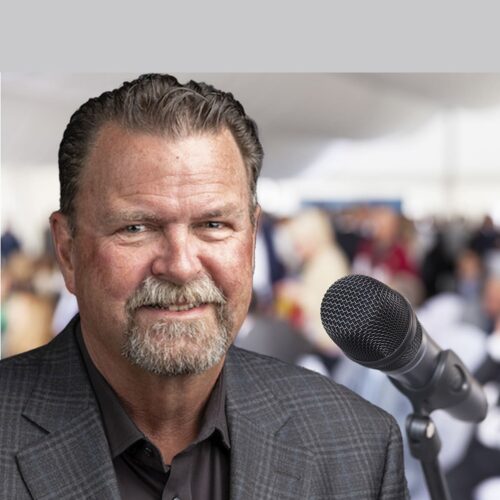
Mike Konrad entered the electronics manufacturing industry in 1985. Four decades later, he continues to dedicate his career to advancing reliability within the industry. In 1992, he founded Aqueous Technologies, an equipment manufacturer serving the electronics sector. Becoming an entrepreneur was never part of his plan, he simply had a passion for a product he designed. When his employer declined to build it, he realized the only way forward was to create it himself.
Mike entered business with strong technical skills but no business acumen. His early assets were ego, passion, arrogance, ignorance, and above all, a poor assessment of risk. Ironically, those traits proved useful in the beginning, ignorance really was bliss. But as his company grew, Mike recognized that those same traits could lead to its downfall. To survive, he had to transform himself, developing business acumen, adopting sustainable strategies, and evolving from reckless enthusiasm into purposeful leadership.
Today, with 40 years of industry experience, Mike shares both his technical expertise and his entrepreneurial journey, offering lessons from personal and professional growth, the near-misses that almost derailed him, and the strategies that carried him forward. He is also a strong advocate of “conscious marketing”, moving beyond traditional chest-thumping advertising toward education-driven authority building. By offering value through knowledge rather than hype, Mike helps organizations connect with a new generation of decision-makers who prefer independent research over bold claims.