


When your partner receives a diagnosis that changes everything, the ground beneath your feet shifts. One moment you’re planning a normal future. The next, you’re staring at a reality you never imagined. Life after diagnosis feels like stepping into an entirely different world, and the path forward is anything but clear.
The shock comes first. Then questions flood in. How do you process the news? What does this mean for your relationship, your work, your dreams together? How do you keep moving when everything feels uncertain? These are the kinds of questions that don’t have easy answers, but they’re worth sitting with because how you respond in those early days shapes the journey ahead.
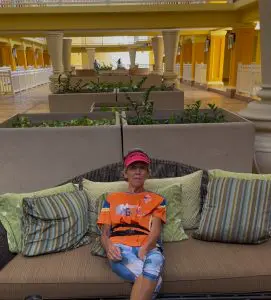
Receiving a serious diagnosis is not just medical news. It’s a moment that fractures your sense of Security. When Anthony Copeland-Parker learned that his partner Catherine had Early-Onset Alzheimer’s, everything he thought he knew about their future became negotiable. He was facing his own Health challenge too, a heart-valve replacement that required surgery. For most people, that would feel like the end of something. But for Anthony and Catherine, it became the beginning of something entirely unexpected.
In those first days and weeks after diagnosis, it’s common to cycle through denial, anger, and despair. You might find yourself researching obsessively, seeking the miracle cure that will erase the diagnosis. You might withdraw from friends and Family because you can’t find the words to explain what you’re feeling. You might wonder if it’s reasonable to grieve before anything has actually happened.
All of these reactions are normal. The diagnosis hasn’t just told you what’s happening in your partner’s body. It’s told you that life will be harder. That requires genuine grieving, and that Grief deserves space.
But grief is not your only choice. Alongside it, you can also choose how you’ll spend the time you have. This is where intention becomes powerful. Rather than waiting passively for the disease to dictate the terms of your life, you can ask a different question: What do we want our life to look like right now?
For Anthony and Catherine, the answer was bold. They decided to sell their home, retire from their jobs, and become nomads. They chose to Travel the world, running marathons and half-marathons together across destinations they’d only dreamed about. From Madagascar to Bhutan, from the Great Wall of China to Antarctica, they built a life around movement, connection, and seizing each moment.
Your answer might look completely different. You might decide to:
The key is that you’re making the choice, not letting the diagnosis make it for you. That distinction is crucial for maintaining a sense of agency when so much feels out of control.
Life after diagnosis requires releasing old definitions of success. Maybe you had plans to climb the corporate ladder, travel the world in luxury, or retire by a certain age. Those plans might still be possible, or they might need to shift dramatically. And that’s okay.
Anthony and Catherine finished every race they ran hand in hand. That became their measure of success. Not beating their personal records. Not winning. Not even necessarily crossing the finish line at full speed. Success was showing up together, pushing their physical and mental limits together, and completing the journey together.
What becomes important changes. Conversations deepen. Time takes on different weight. You stop worrying about things that seemed so urgent before the diagnosis. You become more conscious about how you spend your energy, your Money, and your hours.
This shift can actually be liberating. When you’re freed from the pressure to achieve something, you often find that the moments you’re already living in become richer.
No one walks this road alone, even if it sometimes feels that way. You need people around you who understand what you’re carrying, who can help shoulder the weight, and who believe in your ability to move forward even when it doesn’t feel possible.
Your support system might include:
There’s power in connecting with people who truly understand. When you read someone else’s honest account of life after diagnosis, something shifts. You realize you’re not alone in feeling what you’re feeling. You see that others have found ways to keep living, loving, and finding meaning even as everything changed.
This is part of why Running With Cat shares Anthony’s story through two memoirs. Running All Over the World covers the first five years of their nomadic journey, when the pace was fast and the focus was on adventures across the world. One Footstep at a Time chronicles the second five years, when the disease progressed and their rhythm necessarily changed. Both books are honest about the difficulty while also showing what became possible through commitment and creativity.
One of the hardest lessons after diagnosis is learning that grief and joy can exist in the same moment. You can be sad about the disease and thrilled about the sunset you’re watching together. You can feel despair about the future and deep gratitude for today. You can mourn what you’ve lost and celebrate what you still have.
This both-and thinking doesn’t come naturally to most people. We’re trained to choose. Either you’re having a good day or a bad day. Either you’re strong or you’re struggling. But real life is much messier and more complicated than that.
When you stop trying to feel only one way, something opens up. You become more fully human. You notice the small kindnesses. You’re less quick to dismiss the good moments because they’re not everything. You build a life that’s honest and complex and real.
Life after diagnosis is not one big decision followed by a clear path forward. It’s a series of smaller decisions, made day by day, sometimes moment by moment. Some days you’ll feel strong and purposeful. Other days you’ll feel overwhelmed and lost. Both are valid. Both are part of the journey.
The couples who navigate this most gracefully aren’t the ones who never feel scared or sad. They’re the ones who acknowledge the weight of what they’re carrying while also staying open to meaning, connection, and possibility. They adapt not just their circumstances, but their hearts. They let the experience change them without destroying them.
Your life after diagnosis will not look like anyone else’s. You don’t need to have all the answers right now. You need to show up with honesty and curiosity about what comes next. You need people around you who believe in your resilience. And sometimes, you need to hear from someone else who’s been there that it’s possible to keep going, to find moments of beauty and connection, and to build something meaningful even when nothing feels normal anymore.
That journey belongs to you and your partner. Honor it by choosing how you’ll walk it together.
The post Adapting Your Life After a Partner’s Diagnosis first appeared on Running With Cat.
