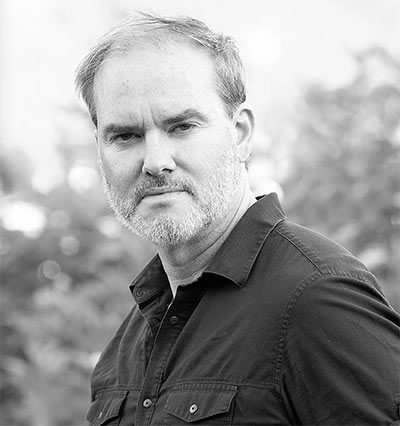

Polygraphs are a controversial tool in criminal investigations: critics argue they’re too unreliable to trust, while proponents say that, even if they’re not perfect, they nonetheless can play a valuable role in helping uncover the truth. I talk with veteran polygraph examiner David Goldberg (executiveprotectiongrp.com), who has conducted more than 20,000 examinations over a 30-year career and who believes that, in the hands of a highly skilled examiner, polygraphs are far more accurate than most people realize. We discuss why he thinks innocent people should see nothing to fear when taking a polygraph, how experienced examiners distinguish deception from nervousness, how hiring processes use polygraphs, and why he sees interviewer skill—not the Technology—as the biggest factor in accuracy. David talks about the granular details of how a polygraph examination is conducted, and the strategies he uses. Along the way, we explore the broader question that underlies so many debates about the polygraph and other uses of behavior analysis: when can information that’s less than 100% reliable still be useful for making important decisions?
Learn more about your ad choices. Visit megaphone.fm/adchoices