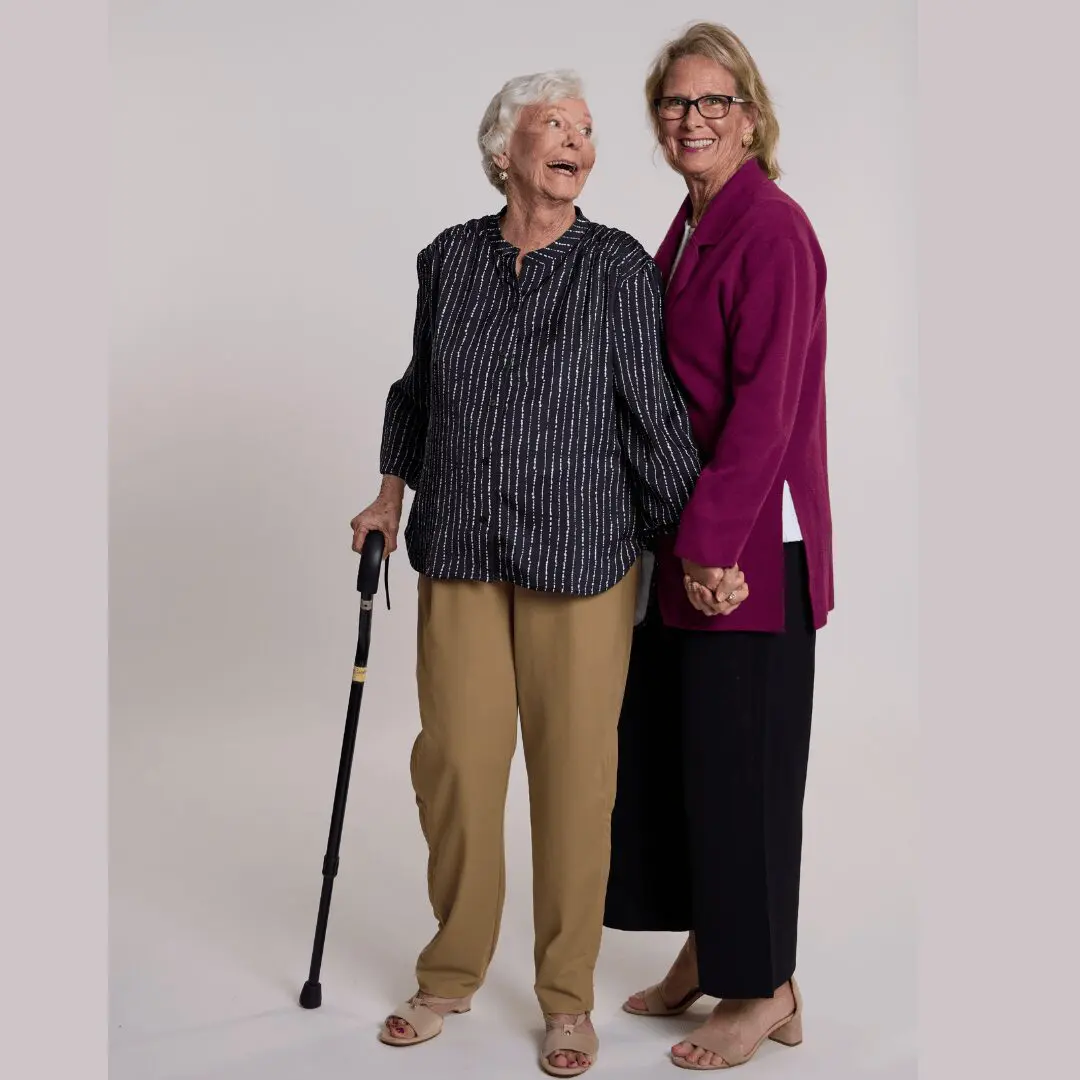
Most people do not think much about getting dressed until it becomes difficult.
For many older adults, dressing grows harder gradually. A parent may take longer to button a shirt, struggle to pull on pants, avoid certain outfits, or ask for help with something they used to do independently. For caregivers, these changes can quietly become one of the most stressful parts of the day.
Helping an elderly parent get dressed is about more than clothing. It involves mobility, pain, balance, energy, privacy, and dignity. When the process becomes harder, the goal is not just to get clothes on. It is to make the routine safer, calmer, and less frustrating for everyone involved.
Dressing requires more physical effort than people often realize.
A person may need to:
As people age, many things can make those movements harder, including:
Sometimes the change is physical. Sometimes it is cognitive. Often it is both.
Caregivers often notice patterns before they hear a loved one say anything directly.
Signs may include:
When these signs appear, it usually means the current clothing or routine is no longer working well.
Small changes can make a big difference.
If balance is an issue, dressing while seated is often safer than dressing while standing. A stable chair can reduce fall risk and make it easier to manage pants, socks, and shoes.
Instead of treating dressing like one big routine, think through where the actual difficulty is.
Is it:
Once you identify the real point of friction, the solution becomes much easier to find.
Rushing makes dressing harder. Many older adults need a slower pace, especially in the morning when stiffness, fatigue, or pain may be worse.
A little extra time can reduce frustration for both the caregiver and the parent.
Even if a loved one needs help, it is still important to preserve independence where possible.
That may mean:
It does not need to be perfect. Staying involved matters.
Sometimes the easiest way to improve dressing is to improve the clothing itself.
Helpful features often include:
These are the kinds of changes that can turn daily dressing from a struggle into something more manageable.
The best easy dressing clothes for older adults usually do not look medical. They just work better.
Most people want clothing that:
That last point matters more than many caregivers realize. People are more willing to wear clothing that still matches their sense of style and identity.
Adaptive clothing can help when dressing has become physically hard, emotionally stressful, or both.
It may be worth considering if your parent:
Adaptive clothing for seniors does not have to mean clinical clothing. In many cases, it simply means better-designed everyday clothes.
Helping a parent get dressed can feel emotionally complicated. It is a deeply personal task, and many older adults feel vulnerable when they need help.
A few simple habits can protect dignity:
Dressing may be routine, but it is never insignificant. It is closely tied to identity, privacy, and confidence.
If getting dressed has become harder for your parent, it does not mean you are doing something wrong. It usually means their needs have changed and the routine needs to change with them.
The best caregiver dressing help often comes from a combination of patience, better clothing choices, simpler routines, and a focus on dignity. When those things come together, daily dressing becomes less stressful and more manageable for everyone involved.
Originally Published on https://joeandbella.com/blogs/news