Author: Taylor Donaldson, RN — Chief Customer Happiness Officer, Joe & Bella
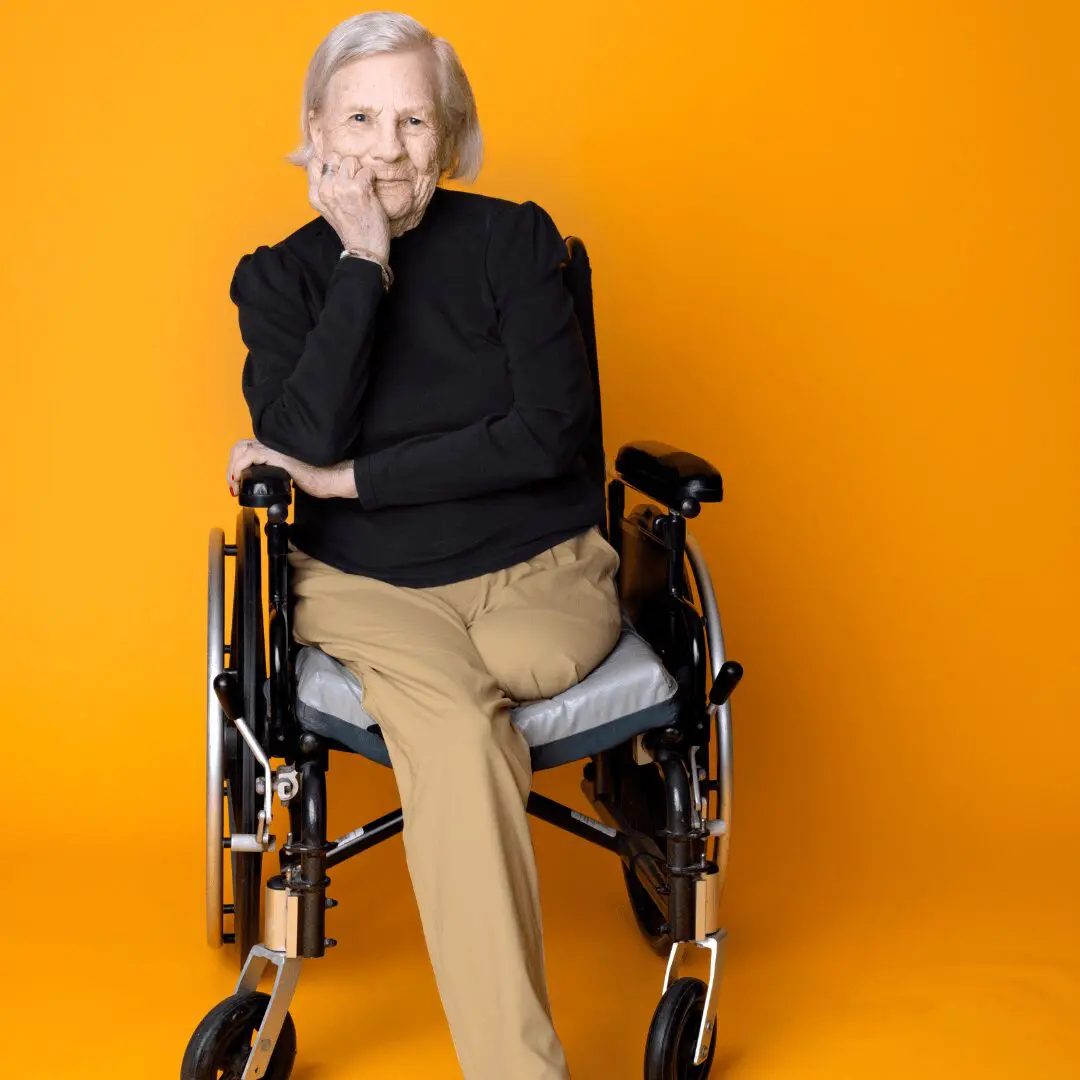
Getting dressed in a wheelchair can come with challenges that many people never have to think about. Waistbands can bunch, shirt backs can pull, seams can press into the skin, and clothing that looks fine while standing may feel uncomfortable or awkward when sitting for hours.
The good news is that dressing in a wheelchair does not have to mean giving up comfort, style, or independence. With the right clothing choices and a few practical strategies, it is possible to get dressed more easily and feel better throughout the day.
Whether you are dressing yourself, helping a loved one, or looking for adaptive clothing for wheelchair users, this guide covers what actually matters: fit, fabric, closures, comfort, skin protection, and how to choose clothes that work in a seated position.
Most clothing is designed for people who spend most of the day standing and walking. But when someone is seated for long periods, clothing behaves differently.
Common issues include:
That is why wheelchair clothing should be chosen for a seated body, not just for how it looks on a hanger.
The best clothes for people in wheelchairs are clothes that stay comfortable while seated, reduce pressure points, allow easy movement, and make dressing simpler.
In general, the most wheelchair-friendly clothing includes:
The goal is not just easier dressing. It is comfort during the full day.
One of the biggest mistakes people make when buying wheelchair clothing is judging everything while standing.
For someone who uses a wheelchair, seated fit matters more.
When trying on clothing, check for these things while sitting:
Clothing that feels fine for five minutes while standing may become irritating after several hours in a wheelchair.
Pants are often the hardest part of dressing in a wheelchair. The right pair can make a major difference in comfort and ease.
When seated, pants can pull down in the back. A higher back rise helps provide coverage and prevents that exposed, uncomfortable feeling.
Rigid waistbands, thick buttons, and tight front closures can dig into the abdomen. Elastic or adaptive waistbands are often much more comfortable for seated wear.
Back pockets may not seem like a big deal, but when someone is sitting on them for long periods, they can create pressure and irritation. Thick seams can do the same.
For some wheelchair users, side-zip pants or adaptive pants with easier openings can simplify dressing, transfers, toileting, or incontinence care.
A little stretch goes a long way. Fabric with give is often more comfortable for sitting, repositioning, and daily movement.
Tops should allow movement without pulling, bunching, or exposing the body when seated.
Many wheelchair users need clothing that is easier to put on and remove, especially if there is limited arm mobility, reduced dexterity, or pain in the shoulders.
Magnetic closures, wider neck openings, or adaptive shirt designs can help make dressing more manageable.
Some tops ride up when sitting. A slightly longer back hem can offer more coverage and comfort.
Rough textures, stiff collars, or heavy fabrics can become uncomfortable quickly, especially when worn all day.
Layering can add warmth and style, but too many bulky layers can create pressure or restrict movement. Lightweight layers usually work best.
When it comes to wheelchair clothing, fabric is not just a style choice. It directly affects comfort.
The best fabrics are usually:
Fabrics that are too stiff, scratchy, or heavy may increase discomfort during long periods of sitting.
Moisture management can also matter, especially for people who sit for much of the day. Breathable materials can help reduce overheating and irritation.
Adaptive clothing is clothing designed to reduce the physical effort of dressing. For wheelchair users, it can be especially helpful.
Features may include:
Adaptive clothing for wheelchair users can help in different ways depending on the person’s needs. Some people want more independence dressing themselves. Others need clothing that makes caregiver-assisted dressing faster, safer, and less stressful.
Good adaptive design should still feel like real clothing, not medical clothing.
Even with the right clothes, technique matters too.
Some people dress entirely while seated. Others find it easier to dress partly in bed, during a transfer, or while supported in a safe position. The best method depends on mobility, balance, pain levels, and caregiver support.
If one arm or leg is weaker, more painful, or has less range of motion, start with that side first. This often makes dressing smoother.
Anything that reduces reaching, twisting, pulling, or fastening can help conserve energy and lower frustration.
For everyday use, many people benefit from having a few reliable outfits that are comfortable, easy to put on, and work well in a seated position.
The best wheelchair clothing is not only easy to put on. It also works well throughout the day for bathroom access, appointments, layering, and comfort during long periods of sitting.
Not every person has the same needs, but these clothing features often cause problems:
The issue is not whether these clothes look nice. It is whether they stay comfortable and functional in real life.
If you are helping someone dress in a wheelchair, comfort and dignity should guide every step.
A few helpful principles:
Getting dressed is not just a physical task. It is tied to identity, confidence, and independence. Even small choices, like letting someone choose their shirt or favorite color, can matter.
People sometimes talk about wheelchair clothing as if it only needs to be practical. But style matters too.
The right outfit can help someone feel more like themselves, more put together, and more confident going out into the world.
That is one reason the best adaptive clothing does not look overly clinical. It works better, but it still feels like normal, stylish clothing.
You should not have to choose between comfort and looking good. The best wheelchair-friendly clothing supports both.
It may be time to look for better clothing options if:
Sometimes a small clothing change can make daily life much easier.
Dressing in a wheelchair is about more than just getting clothes on. It is about comfort, ease, dignity, and being able to move through the day with less frustration.
The best wheelchair clothing is designed for real seated life. It takes pressure off the body, allows room to move, and makes dressing simpler without sacrificing personal style.
Whether that means soft pull-on pants, adaptive closures, breathable fabrics, or better seated fit, the right clothing can make a meaningful difference.
If getting dressed has started to feel harder, that does not mean someone has to settle for uncomfortable or unattractive clothes. Often, it just means the clothing needs to work better for the way they actually live.
Originally Published on https://joeandbella.com/blogs/news