
We recently conducted a survey of more than twenty highly successful Division II, Division III, and NAIA head coaches to better understand how strong programs sustain success and why they sometimes lose their way. This research is part of a larger project we are working on that will eventually become a full book on sustaining successful Coaching cultures. One of the most consistent themes that emerged from their responses was the idea of drift. The coaches we surveyed described a similar pattern when their programs began to drift. Programs would build a strong culture built on Relationships and shared standards and success would follow. Then some sort of void would be created through leader transitions, selfishness, or conflict and the program would begin to drift away from the core values and standards that made them successful. Instead of building on their culture and focusing on the process, programs would find themselves reacting to issues.
The coaches in our survey identified five key things that indicated drift.
1. When Culture Shifts from We to Me
Drift often begins when entitlement, comparison, and individualism replace shared purpose. Team first behaviors give way to self protection and self promotion. Coaches described this shift as subtle at first but corrosive over time. One veteran coach summarized it simply: “Selfishness. Unrealistic expectations. Comparisons to others.”
2. Leadership Gaps Go Unfilled
Culture becomes fragile when leaders leave and no one is prepared to replace them. Several coaches emphasized that leadership succession, not talent loss, was often the true tipping point for programs experiencing drift. When cultures are not athlete owned or leadership development is neglected, standards quietly erode. One coach reflected on this reality in his own program. “The loss of my senior class who were amazing leaders hurt us deeply. Most of their impact wasn’t even on the field. They managed behaviors, accountability, and expectations.”
3. Turnover Creates Discontinuity
High turnover prevents shared history and trust from compounding year over year. Coaches consistently cited roster churn, especially in the transfer era, as a catalyst for drift. One coach described the impact this way. “Our culture used to attract and retain kids because of how unique and strong it was. Now, even with a strong culture, athletes have opportunities like never before to move on and play at higher levels. Over five years, we lost five players midstream to Division I programs. That impacted performance but it impacted culture even more because those players were leaders and culture drivers.”
4. Outside Voices Shape the Locker Room
Drift accelerates when voices outside the program begin shaping athletes’ expectations. Parents, Family, social media, and friends can all influence how athletes interpret their experience. While often well intentioned, these influences can undermine accountability and buy in. As one coach noted, many athletes are now navigating “outside influences, parents, family, social media, and a lack of accountability they were never required to develop growing up.”
5. Pressure Replaces Joy
Ironically, success itself can create drift. Coaches observed that sustained success often creates pressure rather than confidence. Athletes become tight, fearful, and unwilling to take risks. The joy that once fueled performance is replaced by fear of letting others down. One coach described it as “a self induced pressure, letting down me, their parents, teammates, grandparents.”
Across programs, drift rarely begins with bad intentions. It begins when leaders stop intentionally protecting the identity of the program under pressure. Most successful programs do not implode. They drift. When programs do collapse suddenly, coaches often describe something deeper involving character and values failures. Hidden behavior surfaces, compromises that were tolerated too long are exposed, or warning signs that were ignored finally demand attention. The far more common story, however, is not collapse. It is drift.
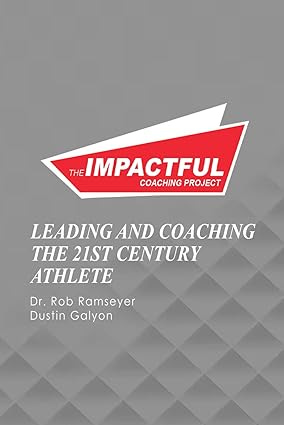
Check out our book!
Things That Are Making Us Think
Check out this great article by .