

Parenting has never been a walk in the park. But raising children today feels like navigating a minefield compared to earlier decades. Think back to the 1960s—no smartphones, simpler lives, and children playing outside until the streetlights came on. Fast forward to the 2000s, and you see a world adjusting to the internet boom, where parenting began to shift toward Technology-influenced decisions. Now, we’re in the 2020s, juggling digital addictions, intense societal scrutiny, and pressures that didn’t exist before.
The way we raise children has drastically evolved due to societal shifts, economic pressures, and technological advancements. These changes have created entirely new dynamics for parents to grapple with. While every generation had its unique set of challenges, the pace of change has never been faster or more profound than it is today.

Authoritarian Discipline in the 1960s
In the 1960s, the dominant parenting style was authoritarian—strict rules, high expectations, and little room for negotiation. “Because I said so” was considered a valid explanation, and corporal punishment, like spanking, was widely accepted and even encouraged.
Children were taught to obey authority without question. Respect was non-negotiable, and questioning adults was seen as disrespectful. There was little tolerance for backtalk, and discipline was often swift and stern. Children were expected to be seen, not heard. Their primary responsibilities included doing chores, respecting elders, and staying out of trouble. The concept of “quality time” between parents and children was virtually nonexistent because roles were more functional than emotional.
The emotional needs of children weren’t openly discussed. If a child felt anxious, sad, or overwhelmed, they were expected to “toughen up” rather than talk it out. Mental Health simply wasn’t part of the conversation. While this approach created obedient children, it often came at the cost of emotional expression and psychological well-being.
Parents weren’t seen as friends—they were enforcers of rules and moral standards. There was a clear hierarchy in the home, and stepping out of line brought real consequences.
Balanced Approach of the 2000s
By the 2000s, parenting had begun to soften. Concepts like “time-outs” replaced spankings, and child psychologists started gaining influence in mainstream culture. Shows like Supernanny and books like The 5 Love Languages of Children helped parents adopt a more balanced approach—firm but nurturing.
Communication became key. Parents encouraged their children to express feelings, and conflict resolution started replacing punishment. It was an era of positive reinforcement, reward charts, and behavior tracking apps.
This decade saw the rise of “parenting philosophies”-attachment parenting, free-range parenting, and gentle parenting all gained traction. Parents were more intentional about their discipline methods and often second-guessed themselves to avoid being too harsh or too permissive.
However, this balancing act came with its own challenges. With so much advice available, parents often felt conflicted and overwhelmed. The line between discipline and leniency became harder to define, especially as children became more influenced by peers and media.
Gentle and Conscious Parenting Today
Today’s parenting is deeply influenced by emotional intelligence, mental Health awareness, and the concept of “conscious parenting.” This modern approach prioritizes understanding a child’s behavior rather than correcting it through fear or force. Parents are encouraged to connect before they correct, aiming for empathy over authority.
Discipline today is less about punishment and more about guidance. Tools like mindfulness, validation, and collaborative problem-solving are part of the daily parenting toolkit. The idea is to raise emotionally secure and self-aware individuals who understand not just rules, but the reasons behind them.
That said, modern discipline is far from easy. Setting boundaries without shame or fear requires time, patience, and a lot of self-work from parents themselves. Many are trying to heal from their own childhoods while simultaneously doing better for their kids.
The downside? This style often demands constant emotional labor from already burnt-out parents. And in the absence of clear limits, some children may lack the structure they need to feel secure. Still, the shift reflects a more compassionate, informed way of raising kids.
The Absence of Tech in the 1960s
In the 1960s, technology had a minimal role in Family life. Television was the most significant piece of tech in the home, and it had limited programming and strict screen-time rules, if any. Media was limited to a handful of TV channels, radio, and newspapers. Children’s programming was sparse, and commercials weren’t directly targeted at kids in the way they are today. What kids watched was controlled and scheduled, often centered around family viewing time. Children played outdoors, read books, or used their imagination to create games. Interaction was direct and unfiltered.
Parents had limited access to information. If a child had a behavioral issue, you either asked your mother, referred to a parenting book (if you had one), or took the child to a doctor. There were no YouTube tutorials, online parenting forums, or Google to help navigate issues.
This lack of tech created a more hands-on, intuitive form of parenting. While less informed by research or expert advice, it also fostered a level of autonomy in children that’s rare today. Kids had the freedom to fail, make mistakes, and learn on their own.
The Rise of the Internet in the 2000s
By the 2000s, the internet had made its way into nearly every household. Parents had access to a wealth of information—sometimes too much. Suddenly, everyone had an opinion, and “mommy blogs” became a go-to resource (and sometimes a source of guilt).
Children were introduced to early versions of digital Entertainment—Game Boys, DVDs, and basic educational software. While still relatively screen-light compared to today, kids were beginning to spend more time indoors.
Technology also introduced surveillance—baby monitors, GPS tracking for teens, and internet filters. Parents became more anxious and protective, wanting to use tech to control and monitor every aspect of their child’s life.
Parenting in the Digital Age Today
Today, technology is a double-edged sword in parenting. On one hand, it offers incredible tools for learning, connecting, and managing family life. There are apps for chore charts, online Therapy for kids, and educational platforms that adapt to each child’s pace.
On the other hand, the digital world poses huge challenges: screen addiction, online bullying, exposure to inappropriate content, and the mental health impacts of social media. Parents are now responsible for teaching digital literacy, setting screen-time boundaries, and protecting their children from a virtual world that’s always on.
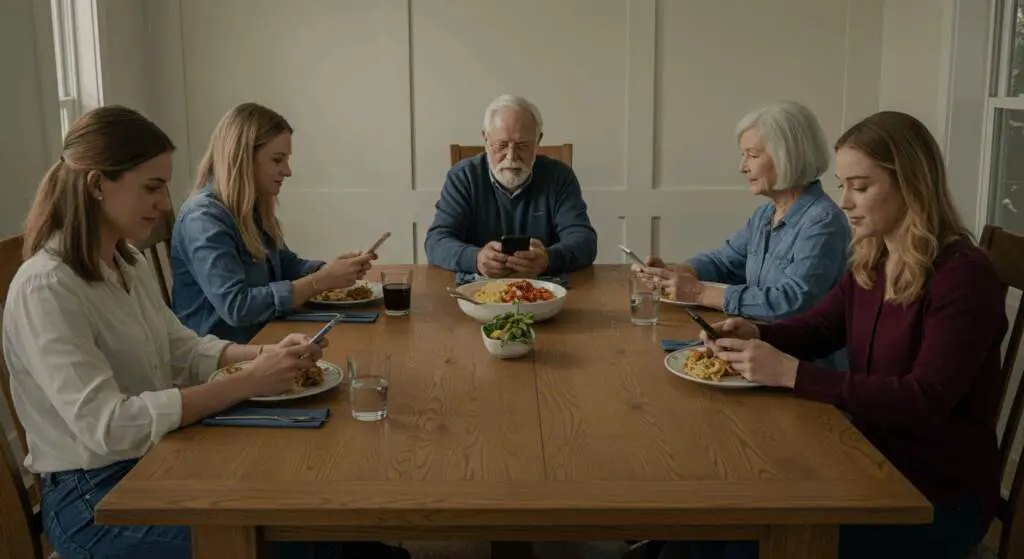
Tech has also invaded family time. Smartphones compete for attention at the dinner table, and children often prefer YouTube to face-to-face conversation. The parent-child dynamic is shifting, and many parents feel like they’re constantly playing catch-up in a digital race they didn’t sign up for.
Raising children has always been a challenge, but the landscape has shifted dramatically over the decades. From the rule-bound, low-tech simplicity of the 1960s to the structured competitiveness of the 2000s, and now the tech-heavy, emotionally complex world of modern parenting—each era comes with its own wins and woes.
Today’s parents are more informed, more emotionally aware, and more connected than ever. But they’re also more pressured, more scrutinized, and more overwhelmed. The key isn’t to declare one era better than another, but to understand these shifts so we can parent with intention, empathy, and resilience in our ever-changing world.