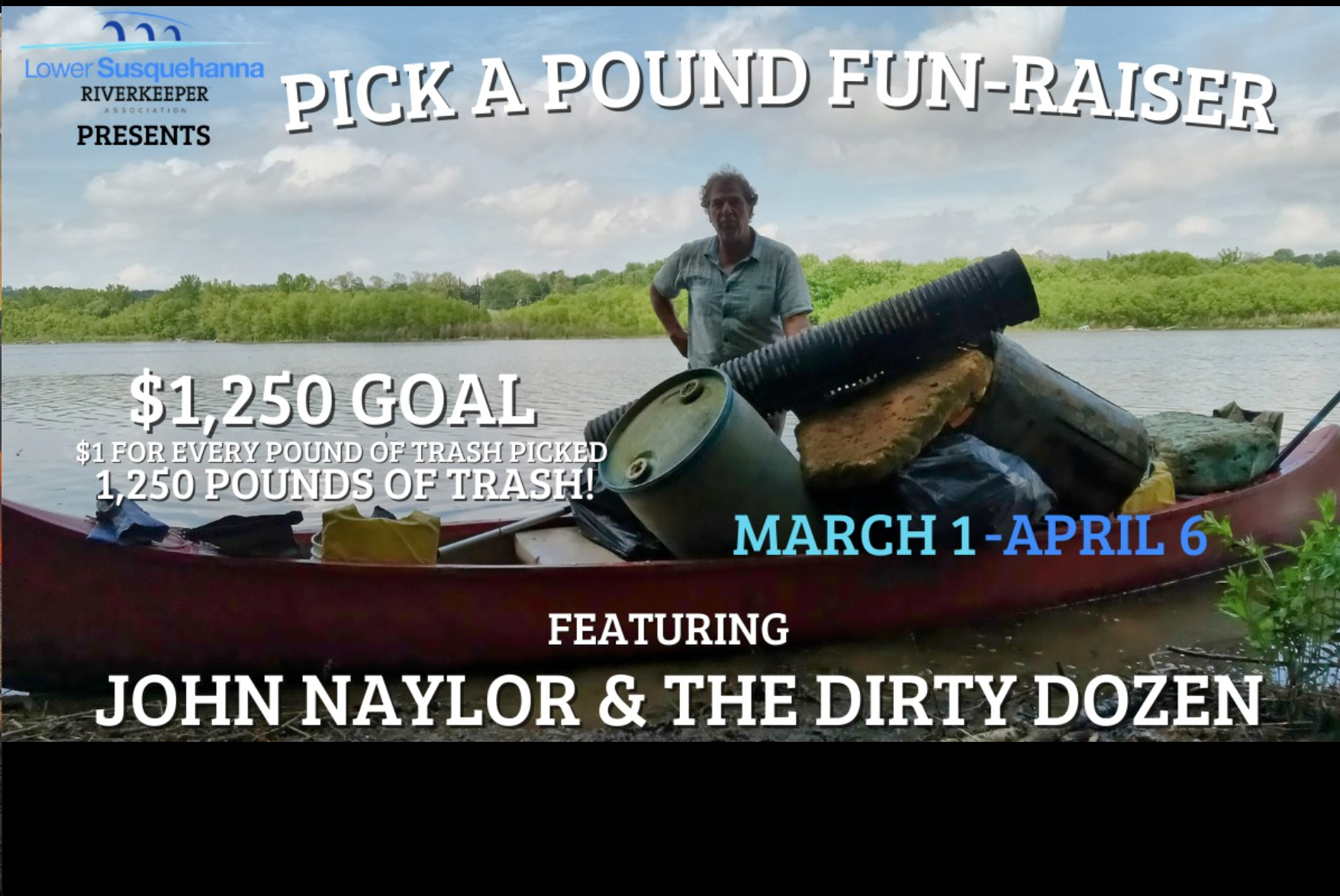
John Naylor, a former Lower Susquehanna Riverkeeper Association (LSRA) Board member and founder of Susquehanna Plastic Pick’n 1000 (SPP1K), has another idea for getting plastic out of the Susquehanna River. This one started with a conversation John had with Daryl Lehman at Double Blaze Painting after Daryl did some painting for John, which resulted in a $250 rebate. Rather than pocket the cash, John created a funraiser around it.
And so March Madness with SPP1K a/k/a Pick-a-Pound Funraiser was born. From March 1st through April 7th, 2025, John, with some help from the Dirty Dozen, will pick up 1,250 pounds of plastic along the Susquehanna River. John wants to raise at least $1,250 at a dollar a pound.
Now, 1,250 pounds is more than half a ton so this is no slam dunk. To participate, you can pledge a fixed amount or by the pound, whatever you choose. We will display the numbers weekly so you can keep track of John’s progress. While you’re at it, why not become a member of LSRA? The best way to protect a resource is to have thousands of people fall in Love with it. So check our website for the 2025 slate of events or visit us at the LSRA office where you can see the river for yourself.
If you live in the Central PA area and need a courteous painter who does beautiful, timely work, call Daryl, LSRA’s newest supporter, at Double Blaze Painting.
And now, a little background on John Naylor, who graciously answered a few questions in preparation for the March Madness SPP1K fundraiser.
How did you get involved with LSRA?
My introduction to LSRA was before Ted Evgianides became the Riverkeeper. I had been cleaning up along the river in York since the late 1990s, joining in cleanups along the Codorus Creek with Michael Helfrich, currently the mayor of York, PA. Helfrich previously served as the Riverkeeper; Ted took over in 2018 when Michael became mayor. Michael started the non-profit Codorus Creek Improvement Partnership to restore the natural resources along the Susquehanna River. We would pull scrap metal from the creek, take it to the recycling facility, and then use the Money to fund further work at the Codorus Creek Partnership.
As I calculated the amount of trash on the river, I could see that somebody needed to do something to make a difference. I had no real experience, but I took the first, most challenging step, and everything else has fallen into place since then. Things went well for a while, but in 2016, the administration changed and the grant money stopped coming in so I decided to start cleaning up on my own. In January 2020, I ran into Phil Wenger, former President and CEO of Lancaster County Conservancy. We exchanged numbers and I met with Phil at his home. As a result of that meeting, Phil gave me a small dumpster that I could fill at my leisure, so I got to work.
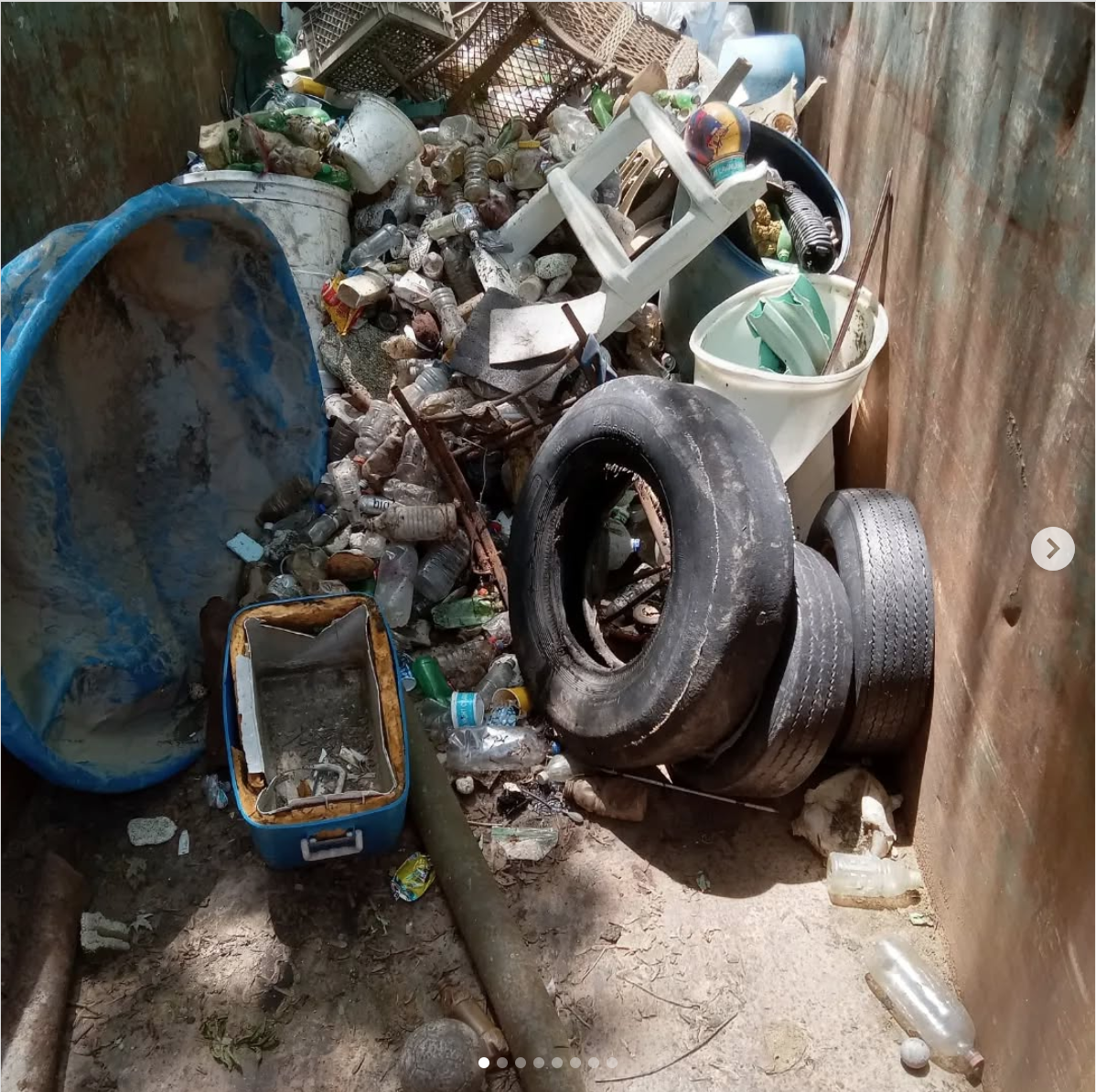
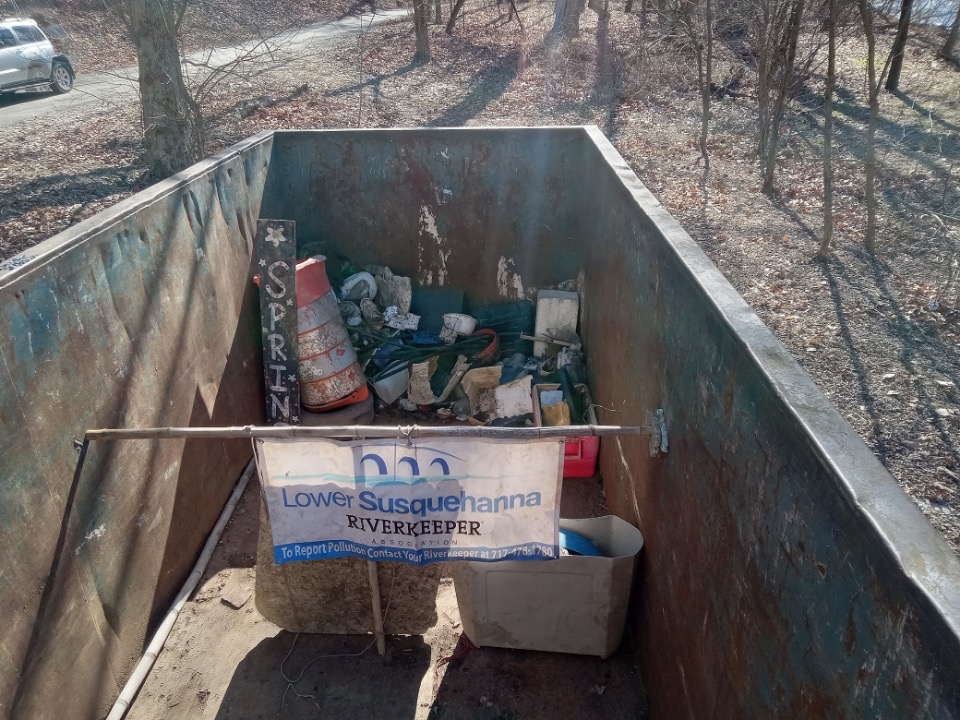
The dumpster was small, about 15 yards, and I would have to cut things into pieces to fit. I got the dumpster on March 2nd and filled it out by March 25th. On April 25, 2020, I got my first large dumpster at 30 cu. yds. Average weight filled is 5,500 pounds or about 2.5 tons. The dumpster recently moved upriver to Codorus furnace, where it lives alongside a second dumpster that the Department of Conservation and Natural Resources (DCNR) maintains in the Susquehanna Riverland’s State Park, strategically placed along the river’s edge.
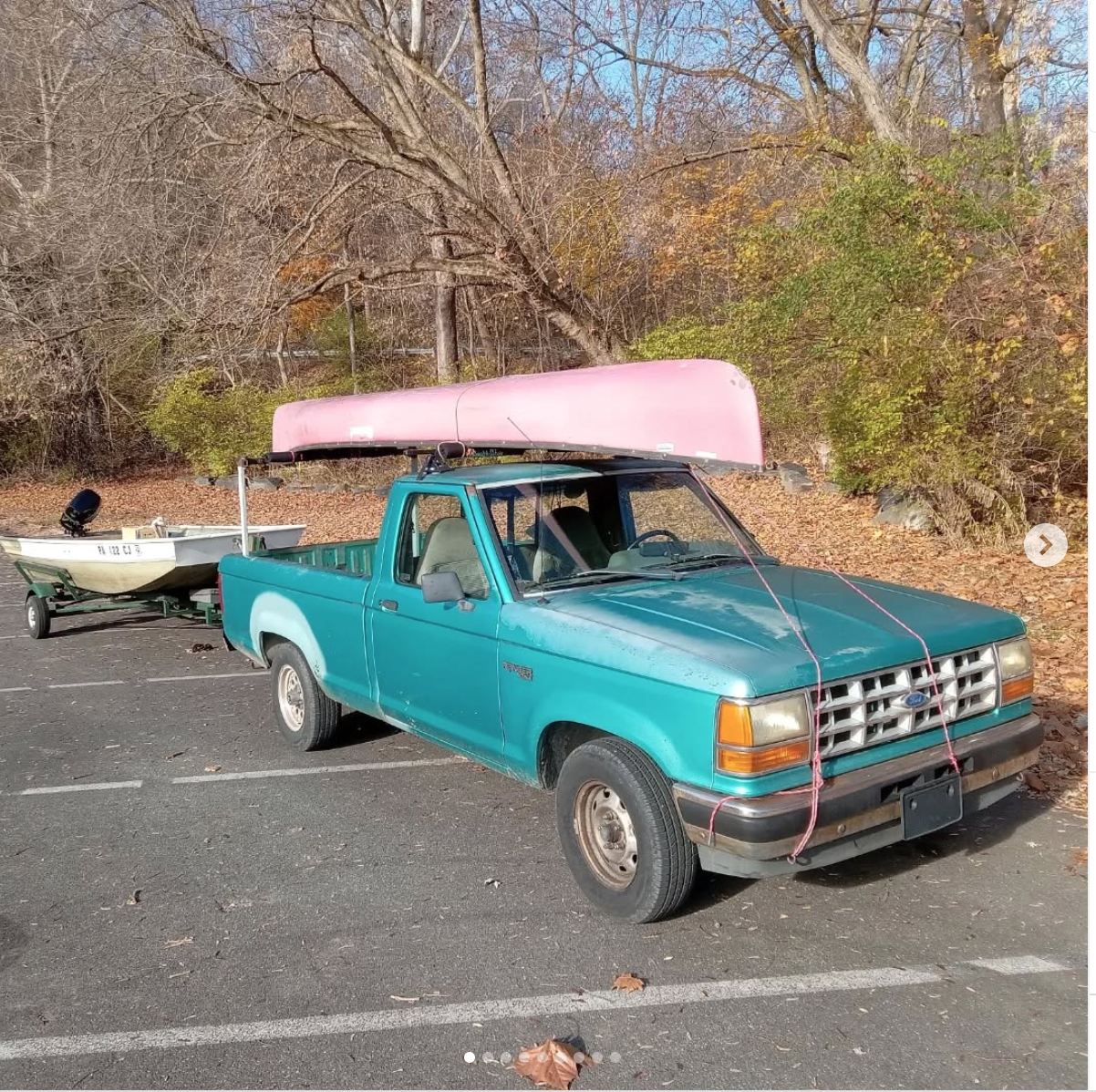
For the last four years, I’ve been going out on the river about 25 times a year in one form or another, either on the river or along the riparian buffers for cleanup. I fill two of these dumpsters a year. Eventually, homeowners along the river got to know the little green pickup truck that always left with a lot of garbage.
Tell us what a typical day on the river picking up plastic looks like.
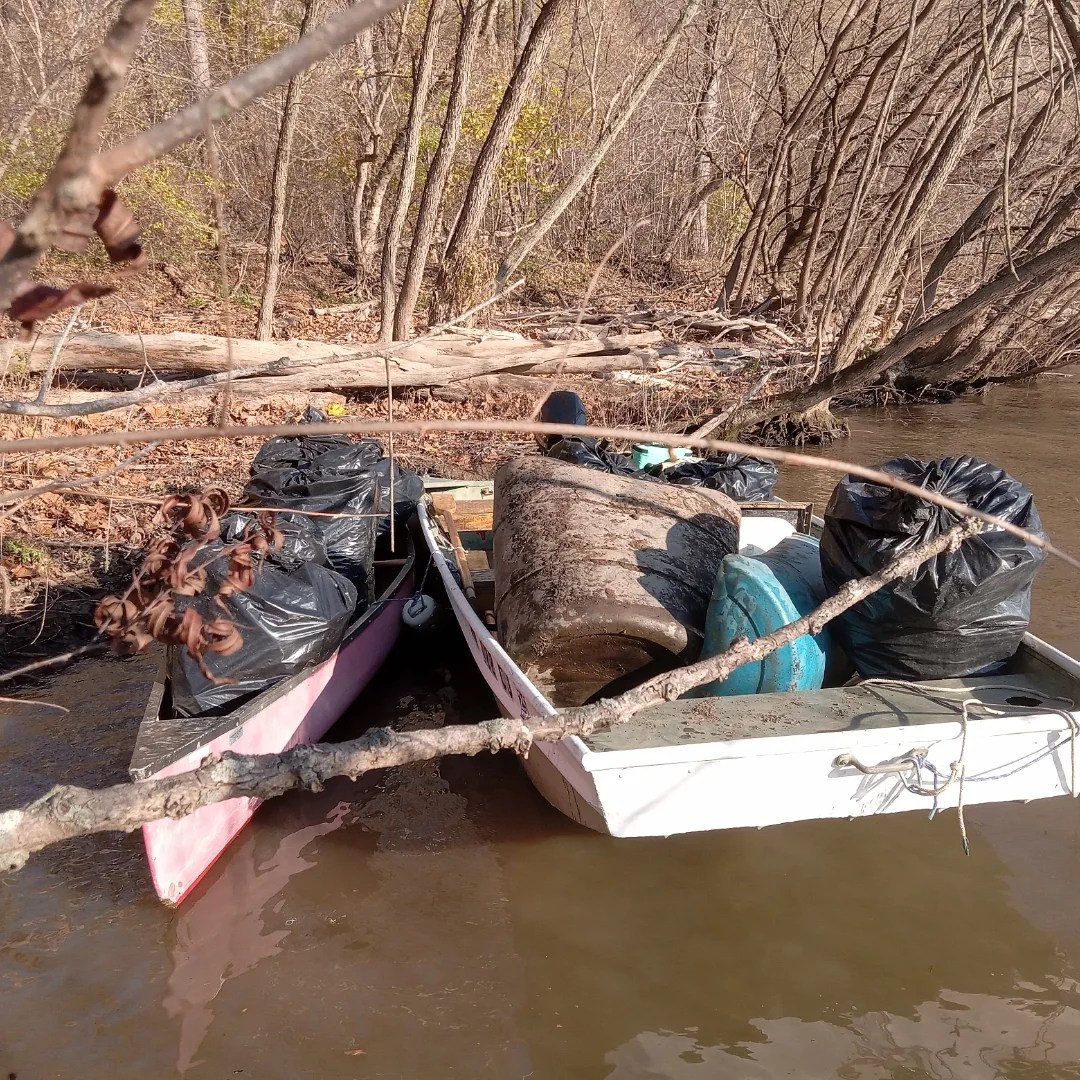
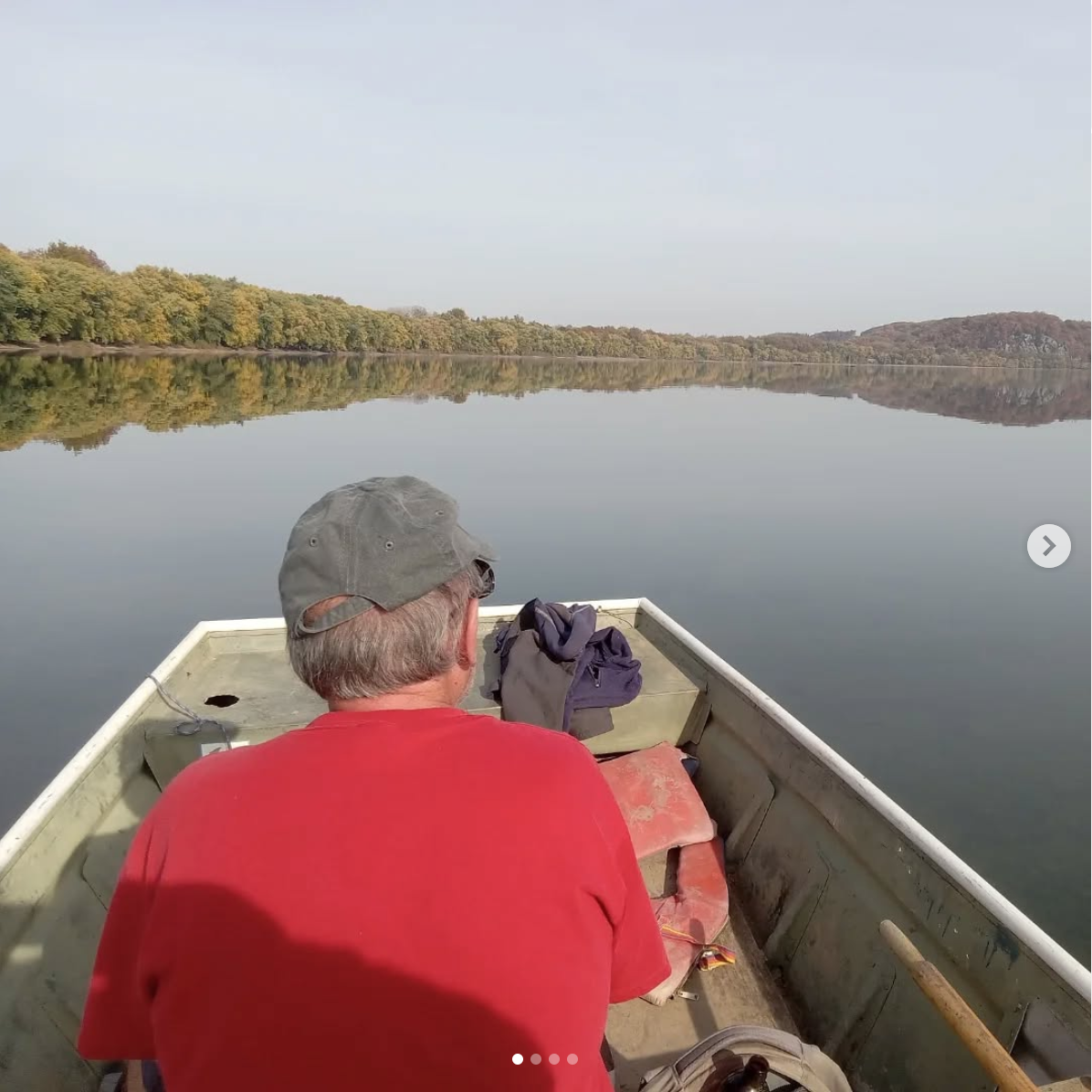
I started picking up sundry bits of plastic when I was on the river enjoying eagles flying and turtles sunning themselves on logs. I couldn’t ignore the sheer volume of trash on these visits, so my purpose evolved over time to picking up plastic while also enjoying what was happening on the river. I live in York City and have easy access to the river. Once they got to know me, people along the river let me put my boat in at their houses because they were happy with my work. Sometimes I walked along the river’s edge and picked up along the shore for an hour. I can usually fill my canoe in three or four hours. From there, I transfer it to my pickup truck and dispose of it in the dumpster. The whole process takes five or six hours.
Say I go to Long Level and drive down to the Flats. By the time I get back, load my trailer, and drive to the dumpster, it’s been six hours. I’m tired at the end of the week because I have a full-time job, but I feel called to do this work and the calling is pretty strong because I’ve been doing it in some form for over 25 years. And while I started with general trash cleanups organized by other groups — i.e, some scrap and metal, and different things — I started doing it independently, driven by the sheer volume of plastic along the river. Since plastics take hundreds of years to break down (into smaller and smaller pieces), and we rely on it more and more as a society, it’s everywhere now. Over the last seven or eight years, there has been way more plastic along the river due to the cumulative effect, so it feels like we take one step forward and two steps back, making it hard to gain traction when drowning in the sheer volume of plastic. For example, an aluminum can be retooled repeatedly and turned into valuable products while plastic can only be down-cycled. One has ongoing value; the other does not. It’s just the nature of plastics. I have a wooden canoe; it’s beautiful. People ask why I prefer it over a lighter fiberglass model. Because there’s a value to it. There’s no value in plastic other than to the manufacturer. Of course, I’m over-generalizing because plastic has revolutionized many things. Still, for the most part, especially when talking about single-use plastics like water bottles, we’re causing more damage than solving problems.
Talk about how plastics Stress the water cycle. What have you noticed over the last decade as the use of plastics has increased?
I started the 1000 Plastic Pick’n Challenge on February 22, 2017. Somebody said I should stop bitching and do something about it so I challenged myself to go pick up plastic every week. That’s when I got serious and goal-oriented, and I haven’t stopped yet.
Since I’m a terrible note-taker, I documented my progress over Instagram, which I hope to turn into a more educational experience. If you look at the photos chronologically, they tell a hell of a story. I started this mission on 2/22/17 and on 2/25/17, I was at Starbucks getting a cappuccino. I wanted to see if I could have one without using single-use plastic, so I brought my own tumbler and they filled it — I didn’t need to use the plastic cup, lid, and straw they would have given me — three pieces of plastic in one order. Where there’s a will there’s a way.
I sat at Starbucks for eight minutes that day, drinking my cappuccino, and counted 39 pieces of plastic walking out the door. In eight minutes! Thankfully, there’s always room for improvement.
What do you see as the future of plastics? Reduced? Discarded? Something completely new taking its place?
Grim prospects for the future. I don’t think people are going to reduce their plastic consumption. People sacrifice the environment for personal convenience in their lives. “I can take my own tumbler, but then I have to wash it!” is one of the responses I hear. People will continue to use the plastic version offered, so they don’t have to wash it or remember to bring it home. Starbucks made a sippy cup lid for its frappuccino (a cold drink), which weighs more than the actual cup. Also, the Starbucks paper cups are lined with plastic to keep them hot. I’m not beating up Starbucks, but they’re an industry leader so if things are going to change, it will need to start with these more prominent corporations.
I’m not optimistic at all about the future of plastics. There are plenty of solutions, but the fossil fuel industry is barreling ahead with plans to build more plastic manufacturing facilities. I’m not confident that my friends, neighbors, and relatives will take the extra step to reduce plastic consumption. It feels like too much work to them. If I’m in line at Starbucks and you have your refillable cup, I will happily pay for your drink. I’ve had the same cup for the last 20 years, and have lost it several times, and every time it was returned to me. I take that as a sign to keep going.
What about solutions? Do you see any that are particularly likely to succeed?
We can’t all live in a solar home or bike to work. None of us can do everything, but every little something helps. I still can’t believe people don’t understand this crisis — particularly when they see the sheer volume of plastics in the ocean. Little turtles are Dying with straws up their nose and eating plastic bags because they think they’re jellyfish. How will aquatic life survive when adaptation is proving so difficult? I’m happy solutions are being offered, but I have almost zero faith that society will make the minute but necessary changes to their behavior to save our natural world.
I can preach the hell out of this and express it to my friends, but what I hear is “you’re never going to clean up the whole river.” I’m not trying to clean up the whole river — only my little corner here. It’s essential to turn off the tap sometimes and stop the inflow by buying recyclable containers like aluminum rather than plastic that is only recycled at a rate of one out of ten. I’m sure this isn’t a popular thing to say, but overuse of fossil fuels is an assault on our environment. Plastic is made from petroleum. You may be driving an EV car, but if you’re drinking your water from a plastic bottle, you are still contributing to the pollution.
How did the Plastics Purge get started?
I was picking trash along the Conejehola Flats and another paddler came by and said there’s got to be a way to clean this stuff up. He got in touch with the Master Watershed folks and put them in touch with Ted. I was getting my feet wet with LSRA and Ted as Riverkeeper so we decided to do a plastics purge which turned into the Plastics Purge of 2020. Ted asked if I could go out and do some recon for the event. We were out one August afternoon. Ted was in his kayak and I was in my canoe. An eagle flew off a tree, and a few minutes later, another eagle flew by. It meant something to me. Five minutes later, my phone rang and the individual said we were getting money from Starbucks for the Riverkeeper. I’d been trying to get money from Starbucks for eight years, and within ten minutes of seeing two eagles, we got our first check from Starbucks for $500. We went back and within two days, we had collected 75 yards of detritus for only two days’ work! It was the first year Ted had a patrol boat, which helped with offloading the trash. LSRA’s first Plastics Purge was in November 2020. We had 75 volunteers and we collected two dumpsters full of trash.
Any last thoughts you want to share?
The oceans are downstream from everything, and everything ends up in the rivers, oceans, and bays. Our over-consumptive, throwaway society has resulted in unprecedented amounts of plastic in the water. Around January 2016, I read an article about the amount of garbage in the river — which ultimately ends up in Chesapeake Bay. That’s when I started this work in earnest as an effort for the greater good. I’m not always comfortable saying it, but I’m willing to go beyond my comfort zone to support my beliefs that our behavior as a society needs to change if we are going to make it to the next millennium.
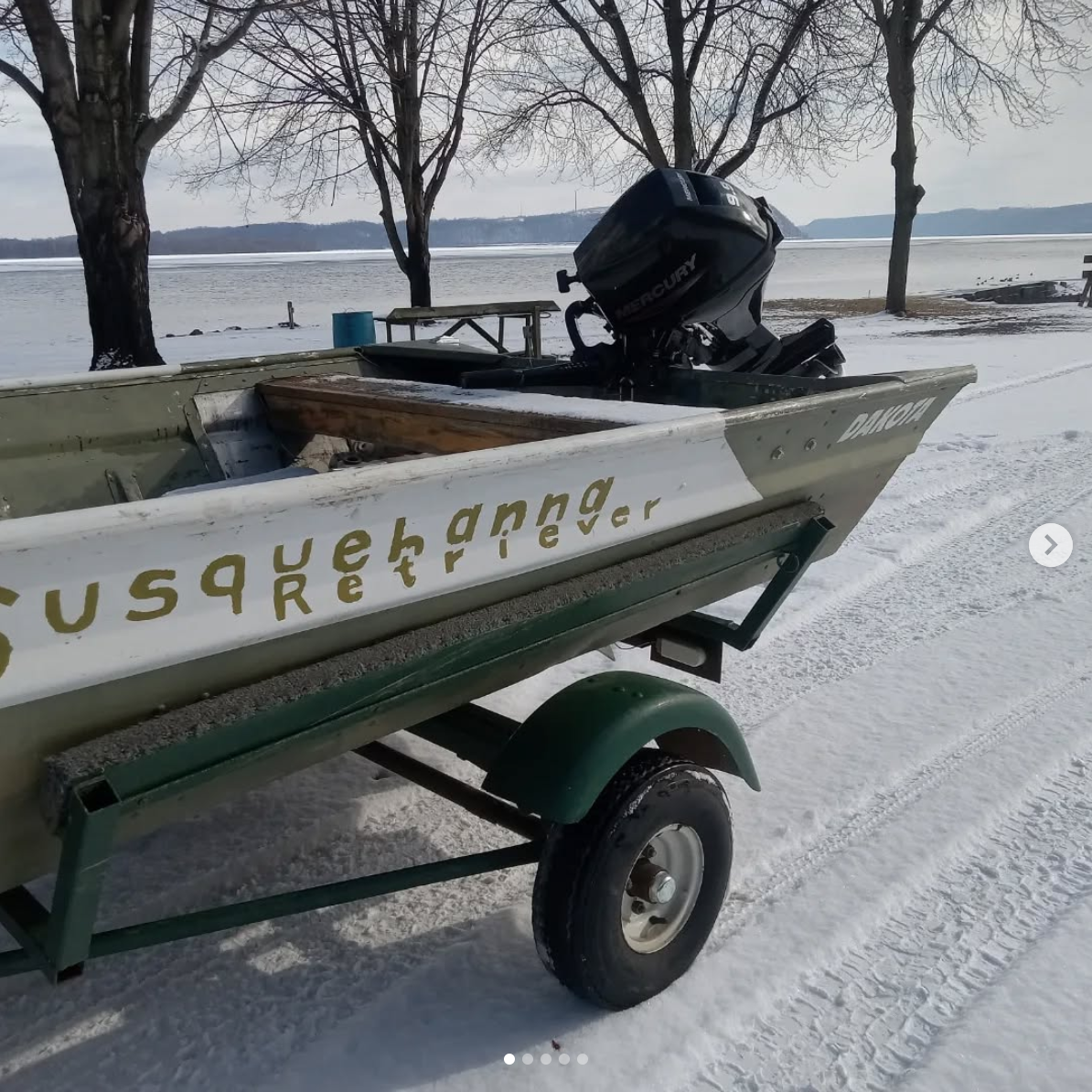
I got my Susquehanna retriever barge in 2021. I spent $4,200 and retrieved 50 loads of garbage in four years. That doesn’t include the Dam Bridge Challenge or other LSRA recon missions I’ve been involved in, so if you divide that cost by 50, it comes out to $84/load. It will go down again this year as I plan to take another couple of dumpsters worth of trash out of the river. So, at least I’m using it, out there on the river, trying to walk the talk. How cool would it be if others joined me?
Thanks, John. We look forward to weekly updates on your Susquehanna Plastic Pick’n 1000 challenge.
Scan the QR code below if you want to donate to John’s March Madness with SPP1K challenge also known as the Pick-a-Pound Funraiser or go to our Facebook page and click on the link in the Pick-a-Pound Post.
If you want to join the LSRA or volunteer for any of our any of our 2025 events, check out our website. We look forward to meeting you.
If you want to read more about John’s escapades on the river, read the fine print: go here, here, here, here, here, and here for starters, or check out John’s Instagram page.
Thanks for stopping by and hope to see you again soon.
pam lazos 3.9.25

Originally Published on https://greenlifebluewater.earth/feed/