Ep. 404 Advice for Future Corpses and Those Who Love Them with Sallie Tisdale
Ep. 404 Advice for Future Corpses and Those Who Love Them with Sallie Tisdalekwyattmd1:06:35
Learn how a Buddhist approach to death and Dying can help us come to terms with our mortality.
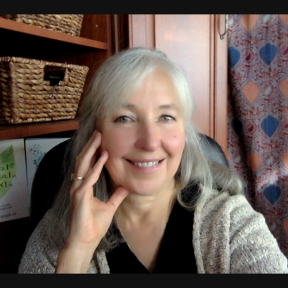
My guest Sallie Tisdale is a nurse and the author of ten books, including Advice for Future Corpses (and Those Who Love Them.) She has worked as a registered nurse and taught at Reed College, Northwestern University, and New York University. A largely self-taught writer on Health and medical issues, Tisdale has contributed to the Antioch Review, Tricycle, Harper’s Magazine, and the New Yorker. She shares what inspired her to write about death and dying and what she hopes people will take away from her book. Learn more at her website:
Check out the Series I’ve recorded in the past here
Join the team atPatreon.com/eoluand receive free gifts like the “Mind if we talk about death?” mini-poster or Love Your Life sticker or coffee mug. PLUS get our regular bonuses: the monthly EOL News Update, occasional movie reviews from 2 Doctors and a Movie, and automatic access to A Year of Reading Dangerously!
If you enjoy this content please share it with others and consider leaving a review on iTunes. Thanks again to all supporters on my page at Patreon.com/eolu, especially my newest donor Kitty Edwards! Your contributions make all the difference.
Learn how asking “What do you think happens when we die?” helped this podcast host deal with death Anxiety.
My guest Zach Ancell is the creator of When We Die Talks, a project around...
Dr. Karen Wyatt is the bestselling author of the book 7 Lessons for Living from the Dying, which contains stories of patients she cared for as a hospice doctor and the spiritual lessons she learned from them at the end of their lives. Her other books include The Journey from Ego to Soul, Stories from the Dark Night, and The Tao of Death. Dr. Wyatt also hosts End-of-Life University Podcast, which features conversations with experts who work in all aspects of end-of-life care. She is widely regarded as a thought-leader in the effort to transform the way we care for our dying in the U.S. In addition, she is valued for her application of spiritual principles to illness and healthcare and teaches that in order to live life fully we must each overcome our fear of death and embrace the difficulties that life brings us.