Cries of “fake news” seem to be everywhere these days, especially in the political world. Who is most vulnerable to believing and/or sharing misinformation or disinformation that has no verifiable facts, sources or quotes? And how can we keep ourselves from sharing information that isn’t true. ORAU social scientist Tiffani Conner, Ph.D., who has worked with Penn State University on fake news research, discusses her work, and some of the steps we can all take before sharing something on social media that sounds too good to be true. While this conversation took place before the COVID-19 pandemic crisis, it’s very relevant to the situation.
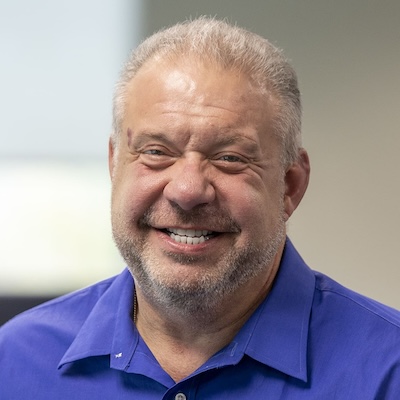
Michael Holtz, APR, MPRCA, is a senior communications and marketing specialist for ORAU, a government contractor based in Oak Ridge, Tennessee. In his role he serves as the host of Further Together: The ORAU Podcast. He is also a content creator for orau.org and ORAU Story, the company's annual report. He also manages media relations activities for the organization. Outside of work, Michael is a cancer activist, leaning into his experience as a 12-year survivor of Stage 3B rectal cancer. Michael is a volunteer for Man Up to Cancer, the American Cancer Society Cancer Action Network, Fight Colorectal Cancer and the National Coalition for Cancer Survivorship. Michael lives in Knoxville, Tennessee, with his lovely wife, Sarah, and their rescue dog, a golden bassett named Marley.