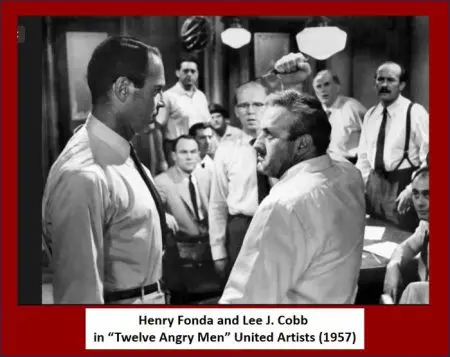

It’s the stuff of night-sweat dreams.
You are standing in front of the executive group. The first month’s sales results of your new product launch are coming in LIVE. Everyone is expecting a WAVE. The results show up on the screen. They dribble.
You promised a thirty percent cycle time reduction because you have removed ten steps from a business process. Instead multiple customers call the CEO complaining about “missed deliveries and huge quality problems.”
You are leading a post-acquisition initiative and are about to report on “synergies” [cost-reductions] when HR calls to say that half of “must keep’ staff on both sides of the merger have handed in notice.
After bragging to everyone about quitting smoking, your in-laws catch you sneaking a cigarette in the garage at Thanksgiving.
Maybe you try a sheepish grin and quote the “many a slip” rhyme above? Maybe, but change failure doesn’t feel great.
Failing at change is as old as humanity, or at least as long as humans have been writing about it. This particular proverb has roots in the ancient Greek poet Lycophron in the 3rd century BCE, but the specific phraseology comes from Richard Taverners English translation of the Dutch humanist Erasmus in the 16th century CE.
Clever saying. See it happens a lot. If it was your responsibility, it still doesn’t feel great.
Oh, Boy.
There are so many reasons, maybe as many as there are change efforts inside of businesses and 70% of those change efforts fail. Maybe there are as many reasons that changes fail as there are differences in individual personalities, multiplied by interactions between people.
Yeah, maybe, but while it’s important to acknowledge potential variation, maybe I’ll try to simplify, or oversimplify, a bit.
Change is a process: Insight ——- Action ——- Result.
Insight is some new information, a new Technology, a competitor taking market share, a loss in profitability, the bank calling your loan, stepping on the scale three months before your wedding. This information convinces people that things can’t go on the way they have been.
Insight is Why Change, Why Change NOW, and Why Not Changing is NOT an Option.
Action is the Change Plan. Do you improve or innovate? Do you fold the acquired company into your processes regardless or do you create a new third company seamlessly melding the best of both? Do you eat a little less and move a little more, or try Ozempic, or bariatric surgery?
Results are what you end up with at the end, but you actually start with them. The Vision, the “sensory rich, emotionally laden, picture of the desired future state’ that everyone talks about as a requirement for leaders leading change, is in my view a rarity. Many leaders start leading change by saying things like “I can’t tell you exactly what things will look like, but we will have [one measure] and we won’t change [good characteristic of our current culture].”
Change fails in both steps and the dashes between Insight ——- Action ——- Result.
Oh, Yeah? Don’t people fear change and resist?
No. People don’t fear change. If they did no one would ever get married, have children, move.
People fear loss. Loss of job, status, loss of autonomy because they haven’t been allowed enough time to internalize the insight or haven’t been included in the action planning.
People must choose to change. When they don’t choose to change (resist), it is usually because they don’t understand, or disagree with the insight, or are being forced to accept loss of autonomy. It’s your change not theirs.
Yeah, but…
If you are staring your horrified mother-in-law in the face after just taking a big drag in the garage… …Or…
The dribble sales results just came up on the screen… …or…
The expertise of both acquirer and acquiree are walking out the door…
Deny or Prevaricate. It is impossible to solve a problem until you admit it is a problem.
Jump to solution. The first step in solving a problem is to define it, then find the root cause.
Blame anyone including yourself. Change is hard. Mistakes will be made. Find them and fix them now. Anticipate them next time.
Do
Iterate. Over thirty-seven years helping leaders make strategic change, I never saw anyone get everything right the first time.
Involve – One of my favorite sayings, “none of us is as smart as all of us, ” has many applications in change. Distributed leadership across many disciplines and levels makes large scale change happen. Support networks, e.g., Alcoholics Anonymous, make individual change easier.
Insist, Persist, Persevere. Don’t give up. I saw too many Innovation, improvement, or integration initiatives fail because executives “tried another methodology,” when what was required was more disciplined execution.
Humans say they “don’t want to beat their head against a stone wall they can easily walk around.”
In my experience, that happens sometimes, but all too frequently people, groups and organizations give up on change because it got hard, or they didn’t anticipate push back, or they didn’t have measures to show failure early, before disaster arrived.
Change is hard ̶ for yourself, with a small group, or a larger organization. It is not impossible; it just takes balancing discipline and flexibility, perseverance and resilience.
Reinhold Niebuhr’s prayer was often helpful to me:
“Lord, grant me
the serenity to accept that which I cannot change,
the courage to change those things I can change, and
the Wisdom to know the difference.”
Advice for new Change Leaders and Advice for new Consultants
The post When Change Doesn’t appeared first on Wisdom from Unusual Places.
Originally Published on https://wisdomfromunusualplaces.com/blog/