Turn It Up: How the First Rock n’ Roll Generation Is Facing the Music on Hearing Loss
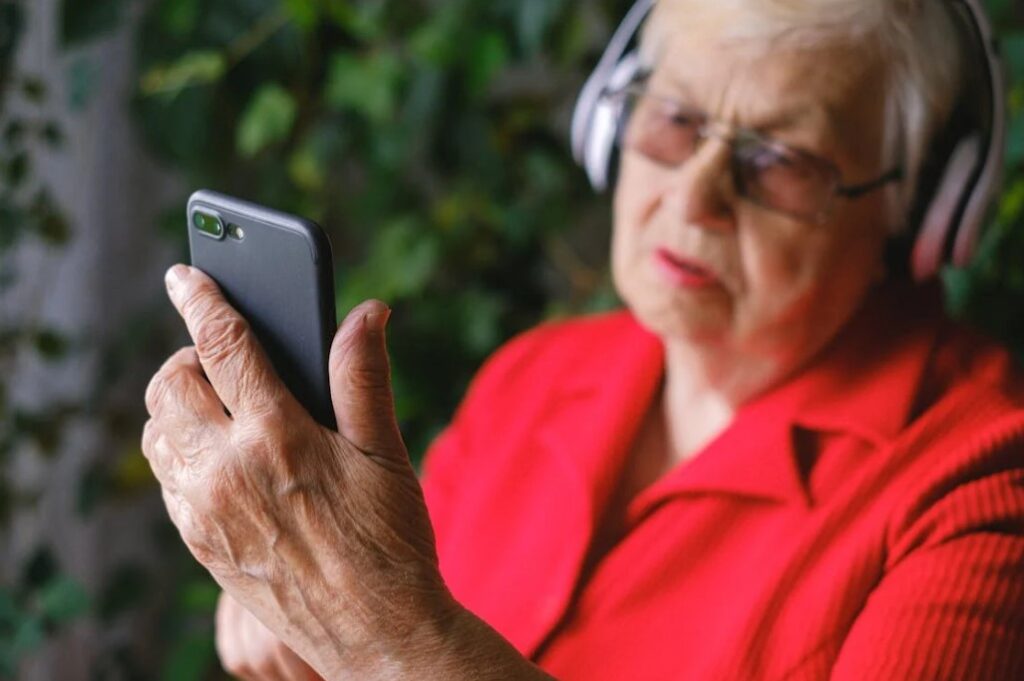
Photo By Anna Shvets On Pexels
Baby Boomers went through a lot of firsts. You were the first generation that truly embraced arena rock, whether at Woodstock or a Beatles concert. Later, you got to enjoy unique musical experiences through the Walkman and boom boxes.
But now the generation that turned it up to 11 is facing the consequences. According to Miracle Ear, one in six boomers has some form of hearing loss. Yet, 57% have done nothing to monitor or address the issue.
The treatment gap can be due to stigmas or denial, but it can also be a financial issue. Many boomers are entering the ‘fixed income’ stage of their lives and have limited insurance coverage. But there is a solution.
Payment plans allow you to spread payments over time, and many offer limited-time interest-free periods. Find out how they can make audiology care more affordable.
Why Boomers are Disproportionally Affected
While hearing loss can impact any generation, boomers are disproportionately affected for the following reasons:
Noise-Induced Hearing Loss: Decades of concerts contribute to hearing loss, but that’s not the only culprit. Boomers can also incur damage from noisy workplaces (transportation or construction), and personal audio devices
Age-Related Hearing Loss (Presbycusis) This condition describes gradual hearing loss that occurs as you age, caused by changes in the inner ear over time, independent of noise-related damage.
Ear Infections: Boomers who had ear infections as children may not have received proper treatment due to limited medical Technology. They may continue to cause issues today.
Why Boomers Delay Care
A John Hopkins Medicine study reveals that there is typically a 10-year window between when people detect a hearing problem and when they get the necessary care. Reasons vary by demographic, but here are some that are common to boomers:
Stigma: As the original rock n’ rollers, many boomers don’t want to admit they are now the senior citizens of their generation. They associate hearing loss with getting old and don’t want to deal with appointments or wearing a hearing aid.
Denial: Some boomers may put off treatment, telling themselves their hearing issues aren’t that bad or are just a natural part of Aging.
Lack of Insurance: While Original Medicare covers hearing-aid screenings for people with symptoms, it does not cover hearing aids, even for people with disabilities. Private insurance plans vary, and many require expensive premiums. That means many seniors are forced to pay for hearing devices out of pocket, and typical costs of $4000 – $7000 can be more than a person on Social Security may afford.
What’s Actually At Stake
Not hearing is more than an inconvenience. It can impact other aspects of Health in the following ways:
Cognitive Decline and Dementia: A 2023 National Institutes of Health report is among many research bodies that have established a link between hearing loss and cognitive decline. When hearing is impaired, the brain works harder to decode speech and sounds, detracting from other cognitive functions such as memory and comprehension, increasing the risk of dementia and related conditions.
Social Isolation: People with hearing loss often avoid social activities, leading to isolation and Depression.
Relationship Strain: Friends and Family can become exhausted by having to repeat the same things over and over, taking a toll on Relationships.
Impact on Working Boomers: Those who still work may find it difficult to remain productive or qualify for new opportunities.
Safety Concerns: Hearing loss could mean boomers don’t hear alarms, oncoming traffic, or medical instructions, leading to safety issues.
Possible Solutions
With so much at stake, hearing care should be a priority. Yet so many delay or reject care due to costs and stigmas. Here are some solutions to consider.
Addressing the Cost Barrier
If finances are preventing you from getting care, payment plans could be a solution. They work like a credit card, handling the balance between you and your provider, while allowing you to spread payments over time. Many offer limited-time interest-free payments, preventing expenses from compounding.
Here’s how the application process works:
Step 1: Ask your provider about the payment plans they accept.
Step 2: Review the payment plans offered: Ideally, the payment plan will offer limited-time interest-free payments, low or no fees, excellent customer service, and a transparent approach.
Step 3: Apply: Most payment plans allow you to apply online and will instantly let you know if you are approved. While credit checks are sometimes part of the process, some providers will only ask about your income or conduct a soft credit check that won’t damage your financial status.
Step 4: Start Making Payments: After the audiology procedure, you will use the plan to pay your provider. Then you will make payments according to your terms until the bill is paid off.
Breaking Down Stigmas
Payment plans can make care more affordable, but stigmas still exist. However, modern advancements may make audiology feel less of a burden. Here are some updates to consider:
Smaller Hearing Aids: Today’s hearing aids are small and discreet, looking more like an earbud than a hearing device. They can be controlled by an app, offering more personalization in the care spectrum.
The Hearing Loss Comparison: Hearing aids may be stigmatized as an age-related condition, but so is straining to hear conversations, constantly asking people to repeat themselves, and, in a worst-case scenario, dementia. A small hearing device could be a better solution.
The Celebrity Angle: Many celebrities are destigmatizing hearing aids by talking openly about their hearing problems, including Bill Clinton, Pete Townshend, Eric Clapton, Huey Lewis, and Whoopi Goldberg.
Conclusion
You’re never too old to rock n’ roll- you just might need to turn your hearing aid up to 11 instead of your amplifier. Payment plans ensure you hear every note of your musical heritage, every word your grandchild is saying, and every laugh around the dinner table. And with updated technology, you don’t have to sacrifice style and discretion to hear better.
Make an audiology visit a stop on the way to your next concert and keep rockin’ in the free world.