

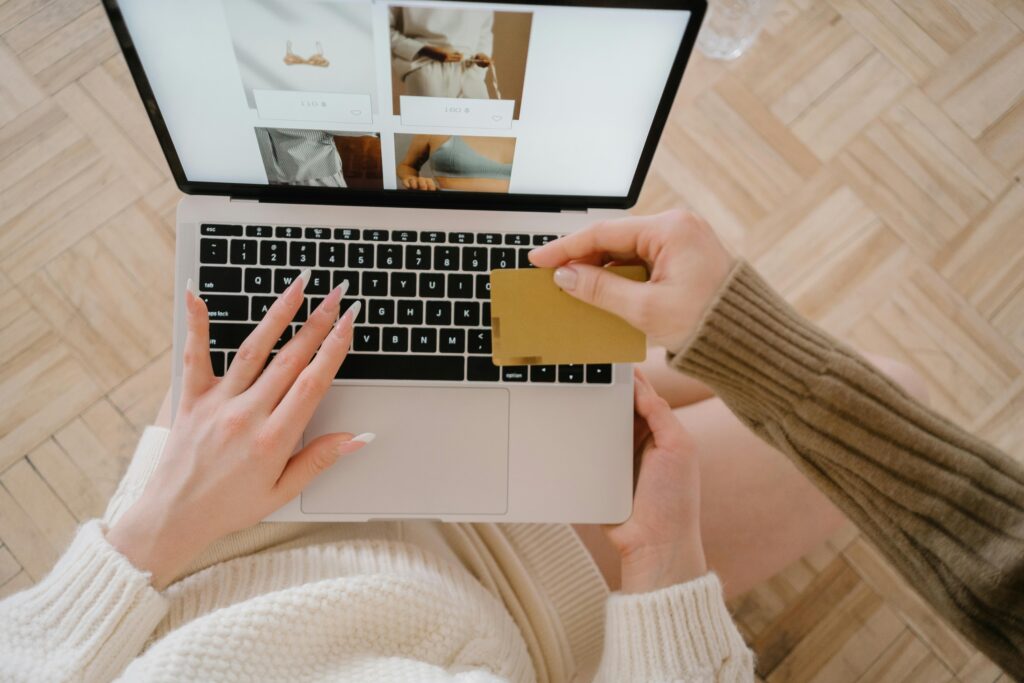
The digital payment world can feel overwhelming when you’ve spent decades writing checks and handing over cash. But online payments aren’t going anywhere, and honestly, once you get the hang of it, they’re pretty convenient.
I’ve watched my own parents navigate this shift, and it’s not always smooth sailing. One day, my mom called me in a panic because she wasn’t sure if entering her card info online was safe. Sound familiar?
Let’s break down five payment methods that won’t keep you up at night worrying about security.
You already know these. They’re sitting in your wallet right now.
Using them online isn’t that different from swiping at the grocery store. You’ll type in your card number, that little code on the back, and the expiration date. That’s it.
Banks have gotten really good at spotting weird purchases. Try to buy something unusual, and you might get a text asking, “Was this you?” It’s annoying sometimes, but it works.
Credit cards are actually safer than debit cards for online shopping. Why? If someone steals your credit card info, they’re spending the bank’s money, not yours. You can dispute charges and get your money back. With debit cards, that money comes straight out of your checking account.
My advice? Stick with credit cards online when you can.
I know, I know. Another account to remember. But hear me out.
eWallets are like having a middleman handle your money. Instead of typing your card info on every website (some of which look pretty sketchy), you just log in, and they handle the rest.
Set it up once with your email and a password. Then, when you shop, you never have to share your actual card numbers with random websites. The eWallet does the heavy lifting.
Plus, if something goes wrong with a purchase, they’ll often step in to help resolve it. They want to keep you happy, so you’ll keep using their service.
This one feels more traditional, doesn’t it? You’re moving money directly from your bank account.
Most banks now let you pay bills online or send money to people without involving credit cards at all. It’s like writing a check, but faster and without the stamps.
The security here is solid because you’re working directly with your bank. They know you, they know your spending patterns, and they’re not sharing your info with third parties.
Many banks will send you a text or email when money moves in or out of your account. It’s like having a watchdog for your finances.
This works great for paying utilities, sending money to grandkids, or making large purchases where you don’t want to hit your credit card limit.
If you have a smartphone (and let’s be honest, most of you do by now), you can pay for things just by holding your phone near a card reader. No wallet needed.
Apple Pay and Google Pay use your fingerprint or face to authorize payments. Think about it—someone would need to steal your phone AND your finger to make fraudulent purchases. That’s pretty secure.
Your actual card numbers aren’t stored on your phone. Instead, these apps create fake numbers that only work with your specific device. Even if someone hacked your phone, they couldn’t get your real card info.
I’ve seen 70-year-olds master this faster than their grandkids. Once you try it, going back to digging through your purse for exact change feels primitive.
If you frequently shop online or use platforms that accept e-wallets, a digital wallet like Skrill can simplify and speed up the checkout process.
Skrill enables users to store funds, make online payments on supported websites, and manage transactions from a single account. Using a digital wallet like Skrill can reduce checkout friction, minimize the need to re-enter card details, and make online purchases more efficient.
Whether you’re paying for subscriptions or buying from retailers that accept e-wallet payments, Skrill offers a streamlined way to complete transactions. Its clean interface and straightforward setup make managing online payments quick and convenient.
You don’t need to become a tech wizard overnight. Pick one method that feels comfortable and start there.
Begin with what you know. If you’re comfortable with your credit card, use that for online purchases. Once that feels natural, maybe try an eWallet for added security.
These payment methods exist because millions of people use them safely every day. You’re not taking some huge risk—you’re just catching up with how the world handles money now.
And remember, if something feels off about a website or transaction, trust your gut. There are plenty of legitimate places to shop online. You don’t need to take unnecessary chances.
The digital world isn’t as scary as it seems. You’ve got this.