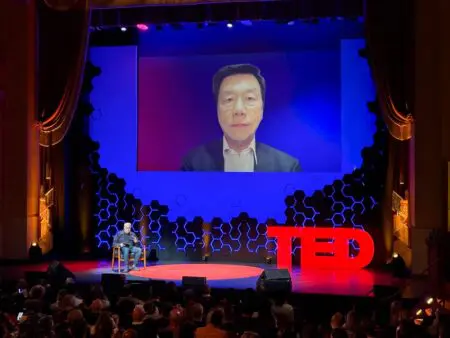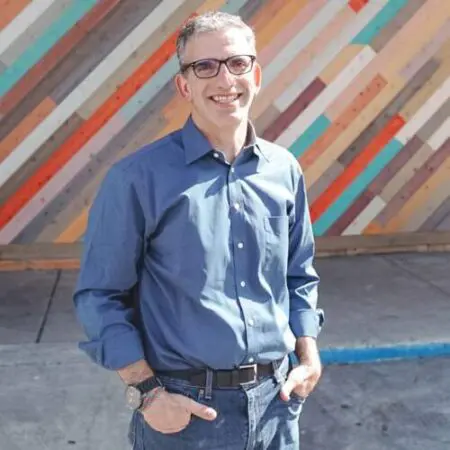

Outside a corner store in San Francisco’s Mission District, flowers, candles and KitKat candy bars mark the spot where KitKat — the “mayor of 16th Street” — was struck and killed by a Waymo robotaxi in late October.
The loss of a beloved neighborhood cat isn’t often national news. But this tabby cat and this situation was different.
Within hours, the story lit up on social media and the local press picked it up, sparking Grief, anger and a familiar question: can we trust the machines among us?
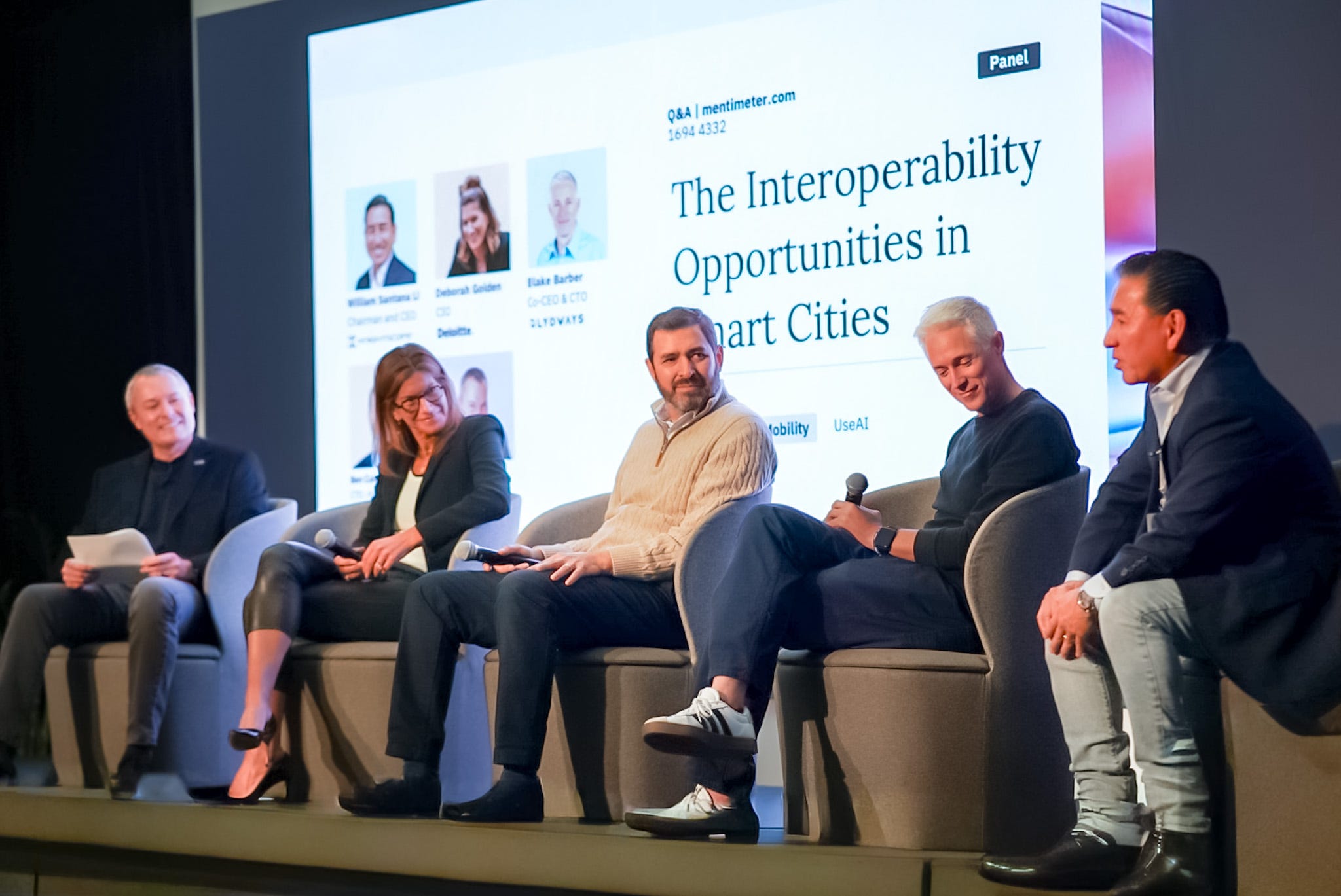
That same question hung over the TechEquity Ai Summit, held at the Plug & Play Center in Sunnyvale last week, where KitKat’s story surfaced during the panel on Smart Cities. The session wasn’t about cats, but about what happens when Technology moves faster than humans trust it.
For Ben Calderon, CTO of Samsara, trust begins with design.
“Safety isn’t just software,” he said. “It’s how data is captured, where it goes, and who has access to it.”
The future of smart cities, he argued, depends as much on data integrity as on Innovation.
Deborah Golden of Deloitte said failure should be measured, not feared.
“If we can’t measure mistakes, we can’t learn from them,” she said. Expecting perfection from AI, she warned, gives people a false sense of control.
Blake Barber, co-CEO and CTO of Glydways, compared it to aviation.
“In aerospace, we don’t bury our failures,” he said. His company, which designs and operates autonomous public transit systems, is testing one in San Jose. Barber said openness about incidents — large or small — is the only path to trust.
Then, addressing the Waymo accident directly, Barber added, “The fact that it’s a big deal when Waymo kills a cat is exactly what we want. Every failure gets treated systematically across the fleet and across multiple fleets as others deploy their systems.”
Moderator Ain McKendrick, CEO of Faction, agreed that perception is often harsher than reality.
“The bar for the perfection of robots is very high,” he said. “From a public perception perspective, an incident like this is now being blown up.”
Finally, William Santana Li of Knightscope cut through the optimism.
“Humans are irrational and irresponsible,” he said. “We hold robots to higher standards than we hold ourselves.” If smart cities are built to serve people, he argued, they also have to reflect our contradictions: innovation mixed with impatience, optimism mixed with fear.
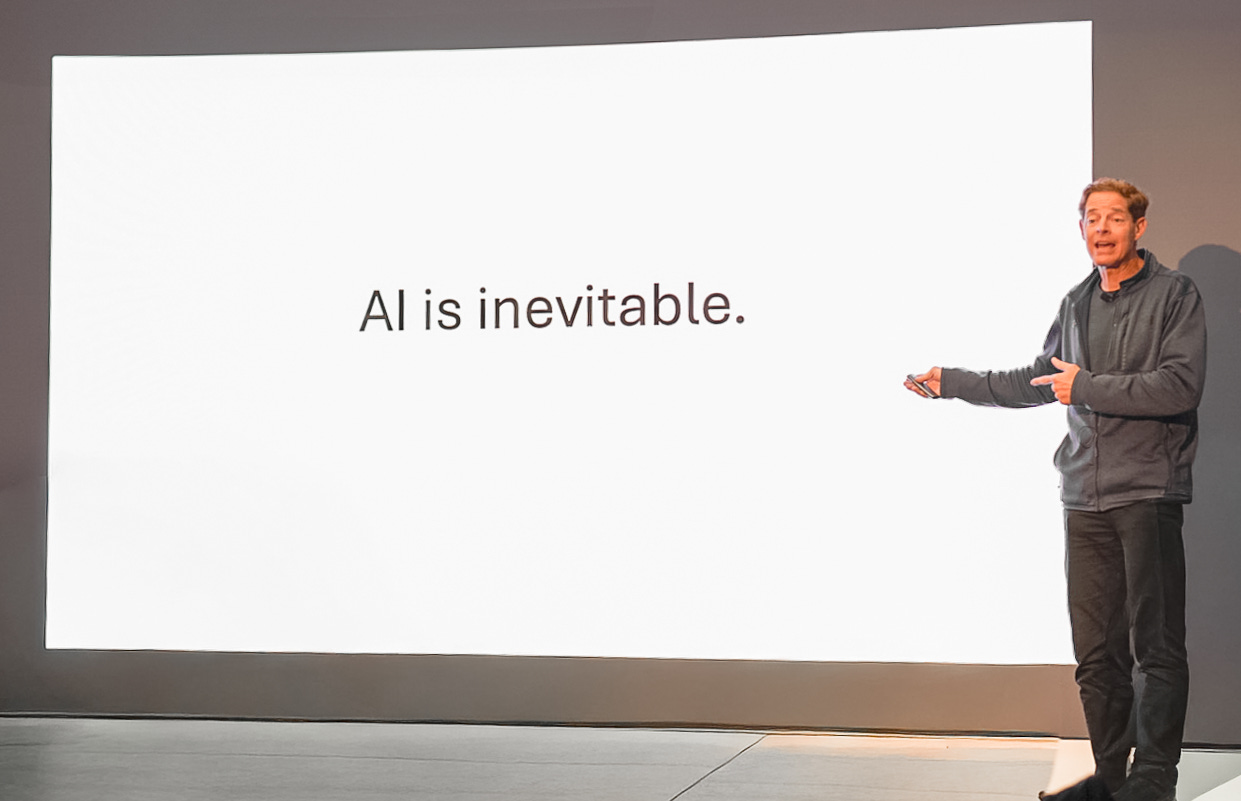
Later in the day, Warren Packard, a venture partner with the AI Fund, put it bluntly in his keynote: “AI is inevitable. Science is agnostic. It doesn’t care if it’s feast or famine.”
Progress, he added, won’t slow down just because people are uneasy with it.
That unease runs deeper than design or data. Kathi Vidal, a former patent official now with Winston & Strawn, reminded the audience earlier in the day that regulation hasn’t caught up.
“We can’t just hand people new tools and expect them to know how to use them,” she said. Without guidance, she warned, the benefits of AI stay in the hands of the few.
Li, who also called for a national robotics strategy, echoed her point. The U.S., he said, has “two and a half million people trying to secure 332 million Americans with a #2 pencil and a notepad.” His argument wasn’t for more robots. He was calling for a plan.
By the end of the Summit, one theme tied everything together: trust can’t be coded.
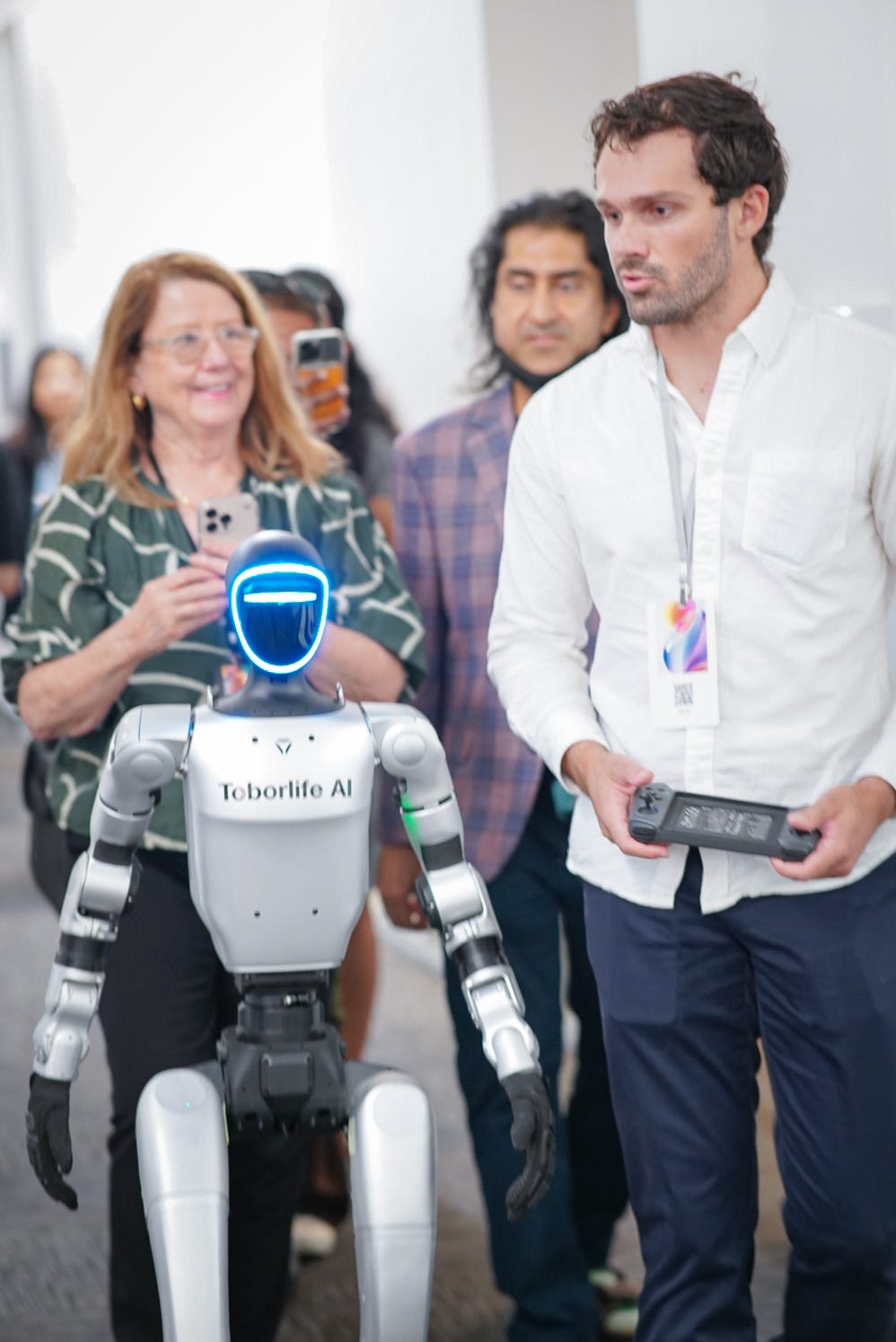
George Ekas, director of engineering at Toborlife, which makes humanoid robots and dog robots, put it best: “AI isn’t replacing us, it’s reflecting us.”
He said machines mirror our impatience and inconsistency. We just don’t like what we see, he added.
The story of KitKat lingers because it captures that contradiction.
A single machine mistake drew outrage, while countless human ones go unnoticed.
Smart cities will keep advancing, but they’ll only succeed when people learn to live with imperfection — both ours and that of the machines.
STAY TUNED: I recorded several on-camera one-on-one interviews at the Summit. Watch for those conversations in upcoming posts and episodes.