

Baby Boomers, born between 1946 and 1964, have spent decades building wealth through traditional means, real estate, dividend-paying stocks, retirement funds, and low-risk savings vehicles. But in a world where inflation erodes purchasing power and digital assets are gaining momentum, some Boomers are starting to explore cryptocurrency.
One of the most important innovations in the crypto space is the Ethereum smart contract. While the concept may sound technical, the core idea is simple: digital agreements that execute automatically without a middleman.
This article explains Ethereum smart contracts in plain language, compares them with traditional systems, highlights the challenges Baby Boomers may face, and explores why now may be the right time to start learning about this technology.
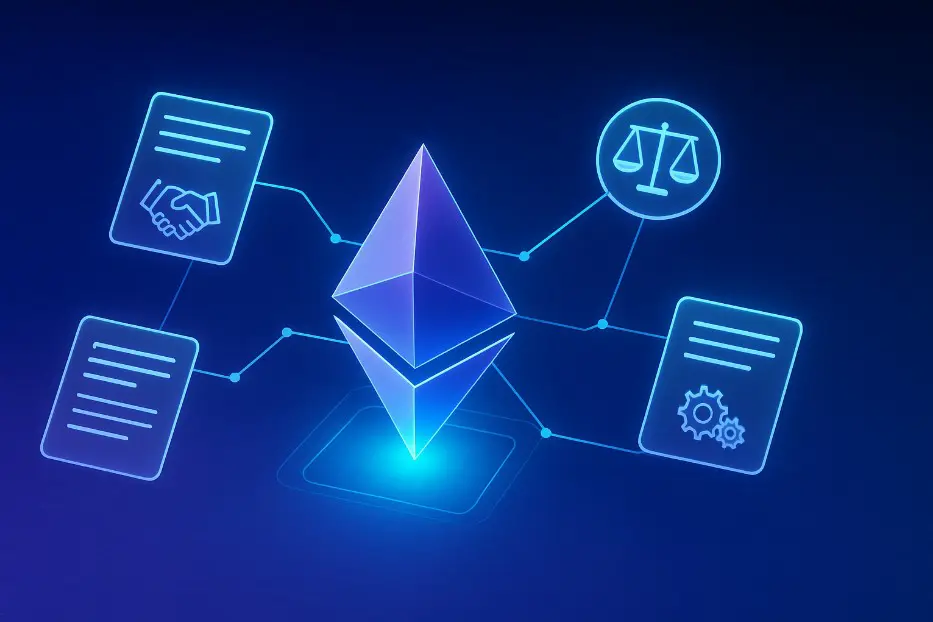
A smart contract is like a vending machine on the internet. You insert money and make a selection, and the machine delivers your item — no clerk required. Similarly, a smart contract runs on the blockchain. You send cryptocurrency to it, and if a specific condition is met, the contract executes automatically.
The term was first introduced in the 1990s by computer scientist Nick Szabo. But it wasn’t until Ethereum launched in 2015 that smart contracts became widely usable.
Smart contracts on Ethereum are not controlled by people. They are computer programs that live on the Ethereum blockchain. These programs can hold funds, process data, and carry out commands based on pre-set conditions.
Key features include:
Tracking the Ethereum price in USD has become more relevant for investors, including Baby Boomers, as smart contracts and decentralized applications grow in popularity. The price often reflects not just speculation, but the increasing use of Ethereum across industries.
Unlike traditional legal contracts that require lawyers or brokers to enforce them, Ethereum smart contracts operate automatically and transparently.
Baby Boomers are typically conservative investors, focused on income stability and capital preservation. But certain trends are encouraging some Boomers to take a second look at crypto, particularly smart contracts:
One area gaining rapid attention among older investors is the tokenization of Real World Assets (RWA). These are traditional financial instruments such as stocks, bonds, real estate, and commodities that are represented digitally on the blockchain using smart contracts.
Stock tokenization, in particular, has become increasingly popular. Investors can now buy tokenized versions of real, publicly traded stocks. These tokens mirror the performance of the underlying assets but offer advantages like 24/7 trading, fractional ownership, and global accessibility.
For Baby Boomers, RWAs represent a more comfortable and familiar entry point into the world of crypto. Unlike meme coins or experimental DeFi projects, RWAs are backed by assets they already understand and trust.
Why this appeals to Boomers:
As tokenization platforms become more accessible, expect RWAs to play a central role in bringing conservative investors into blockchain-based ecosystems.
Despite growing interest, several challenges make crypto a difficult space for many Baby Boomers:
These barriers are real, but they are not insurmountable, especially as tools and regulations improve.
Smart contracts are already being used in areas familiar to Boomers:
These risks are being addressed through upgrades to Ethereum, the rise of user-friendly apps, and increasing regulatory clarity.
Baby Boomers control more wealth than any other generation. Even a small allocation to Ethereum-based products could have a major impact on the crypto ecosystem.
Boomers bring capital, influence, and demand for safer, more transparent investment options. Their growing interest in smart contracts and real-world asset tokenization is pushing the industry to develop more secure and regulated offerings.
As smart contracts become easier to access and RWAs become more common, Boomers could play a key role in shaping the future of crypto. Their participation will likely focus on trust, simplicity, and alignment with traditional finance principles.
Ethereum smart contracts may sound complex, but the idea is simple: digital agreements that execute automatically when conditions are met. They remove middlemen, reduce costs, and improve transparency.
For Baby Boomers, this is more than a technical trend. It is a bridge to modern finance. Real-world asset tokenization, especially stock tokenization, offers a familiar on-ramp into crypto with the benefits of blockchain and the security of known assets.
As platforms evolve and regulatory clarity improves, Boomers have a unique opportunity to benefit from the next phase of financial innovation while staying grounded in what they already know and trust.