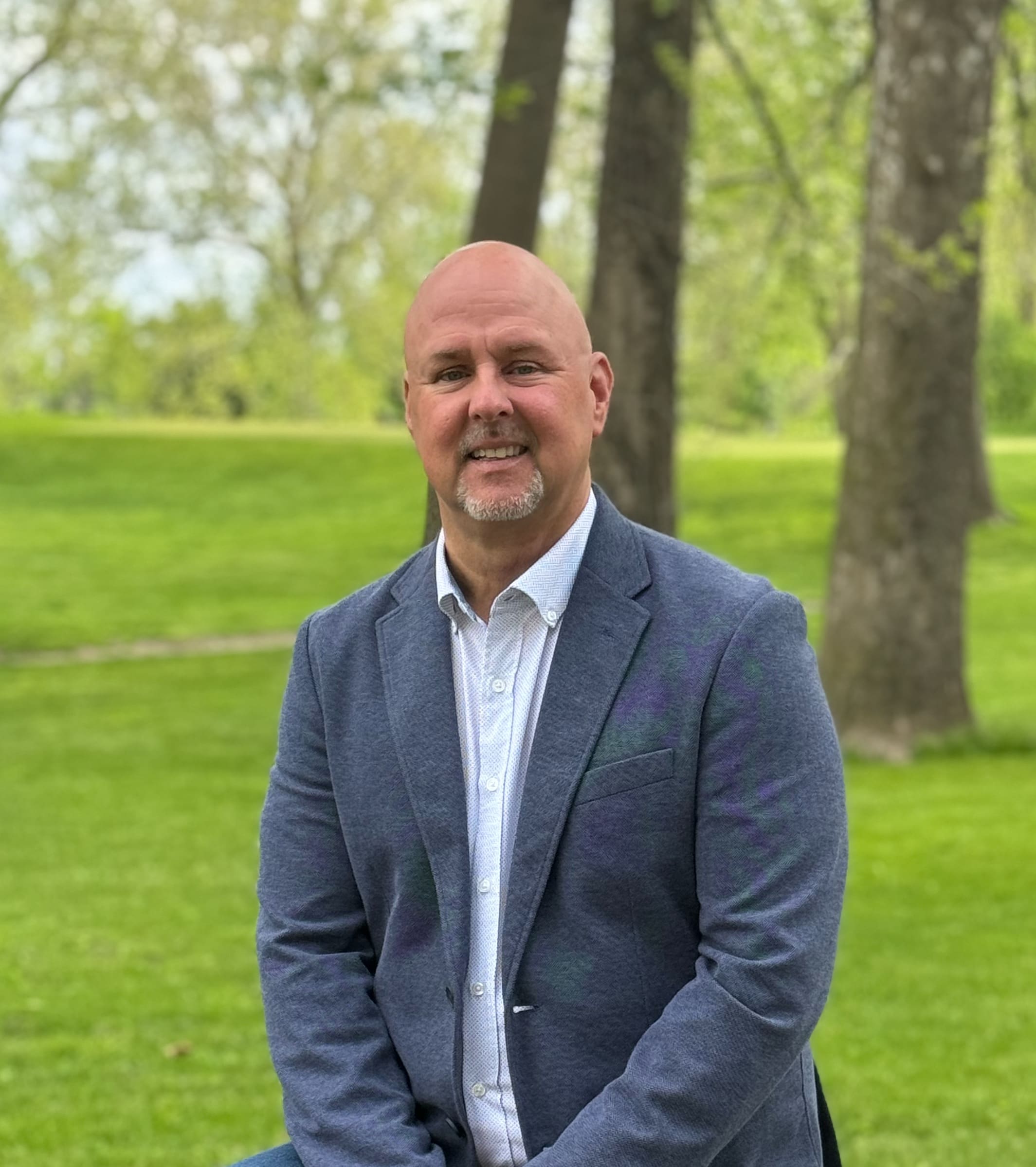

 I recently wrapped a workshop at the Innovative Schools Summit in Nashville, where I spent three hours with school and district leaders diving deep into what makes leadership teams truly great. Not just functional—but exceptional.
This is work I’ve been doing for years, but over the past few months it’s intensified. From coast to coast, I’ve been supporting leadership teams that are looking to move beyond surface-level collaboration and truly operate as a united, high-impact force.
And what I’ve found—over and over—is this:
Great leadership teams aren’t built by accident.
They are built on purpose, with trust, Clarity, and alignment at the core.
 When I ask leaders to describe what makes a team highly effective, I hear the same responses:
“They have a clear direction.”
“We trust each other.”
“Everyone knows their role.”
“We speak the same language.”
These teams are focused. They’re aligned. And they get results—not by grinding harder, but by being intentional together.
In contrast, ineffective teams often struggle with:
Unresolved conflict
Lack of trust
Confusion about roles and responsibilities
Poor communication
Misalignment on goals
A total absence of feedback or accountability
Sound familiar?
So how do we move from the latter to the former? How do we go from a group of administrators to a true leadership team?
 This is where the AWESOME framework comes in. It’s a structure I use in Coaching, workshops, and now in my online course—and it’s helping leaders transform how their teams operate.
Here’s what it looks like:
Being on a leadership team is a privilege. But it’s also hard work.
It requires vulnerability, conflict, and the willingness to shift from managing to leading.
And it starts with each of us.
“If I want a better WE, I’ve got to be a better ME.”
Trust is the foundation. Without it, teams avoid conflict, resist collaboration, and struggle to commit.
We must build psychological safety—where every voice matters and feedback isn’t feared, it’s expected.
Norms help. Things like:
“Presume positive intent.”
“Don’t be ‘the one’ who undermines the team.”
“Be open to feedback and ask others, ‘How might this idea fail?’”
One of the biggest enemies of effective teams? Time bandits.
Email, discipline, meetings without purpose… they rob us of our most valuable resource.
Do a calendar audit. Color-code it by priority.
Block time for coaching and visibility.
And most importantly: lean on your admin assistant. Let them help you lead.
Values aren’t just words. They’re your compass.
Every decision your team makes should connect to what you collectively believe in.
Mine?
Build and maintain a positive culture and climate.
Ensure staff feel seen, heard, valued, and trusted.
Embrace student voice.
Be the instructional leader.
Lead with a coaching mindset.
Be the champion of the organization.
What are yours?
Intentional teams don’t just “go with the flow.”
They have a clear instructional focus and stay aligned around it.
I use four core questions with every team I coach:
What do we want to see in every classroom every day?
How will we know when we see it?
How will we support when we don’t see it?
How will we celebrate it when we do?
These questions can become the heartbeat of your leadership team.
And they’re best answered during a retreat—off campus, on neutral ground, with structured facilitation and shared purpose.
Your team watches everything you do.
Your tone, your presence, how you handle pressure—it all matters.
Don’t be a thermometer. Be a thermostat.
Set the tone for the culture you want to build.
Great leaders—and great teams—don’t just do. They reflect.
Take time daily and weekly to ask:
What went well?
Where did I show up with purpose?
What needs to shift?
And use tools like Start, Stop, Continue, Consider with your team.
Growth begins with reflection.
 If you want to take your team from functioning to flourishing, here are five starting points:
Revisit (or create) your team norms.
Clarify everyone’s roles and responsibilities.
Eliminate your time bandits and protect your priorities.
Align around shared values and instructional focus.
Model what you expect and reflect often—together.
You don’t have to overhaul everything overnight. But start.
Start with intention. Start with alignment. Start with trust.
 This is the work I do—and I’d Love to support you.
If your leadership team is ready for a retreat, ready for coaching, or just ready for a reset, let’s talk. Reach out via roadtoawesome.net or connect through Linktree.
Because you deserve a leadership team that doesn’t just survive—but thrives.
Let’s build that AWESOME team together.
Tune in this Sunday to “Leaning into Leadership” where I’ll take this focus on leadership teams a little further with a solo episode dedicated to the topic.