Thursday - June 4th, 2026
Apple News
×

What can we help you find?

Open Menu

NEW MEDICARE PROGRAM SUPPORTS DEMENTIA CAREGIVING

New Medicare Program Supports Dementia Caregiving &Raquo; Uncle Sam Smaller

[ChatGPT]

Our Old Uncle Sam is Back!


New Medicare Program Supports Dementia Caregiving &Raquo; Title

On July 1, 2024, the Centers for Medicare & Medicaid Services (CMS) Innovation Center launched a model program:

New Medicare Program Supports Dementia Caregiving &Raquo; Guide 1

OBJECTIVES

GUIDE recognizes that “Alzheimer’s disease and related dementias are devastating conditions for a person and their family and caregivers. Often, a family member finds themself in a new, unexpected role as a caregiver supporting the person living with dementia.”

GUIDE is a voluntary nationwide model program to “support people with dementia and their unpaid caregivers”, such as a relative or unpaid nonrelative who helps with activities of daily living. Support comes in the form of Care Navigators, Nurse Practitioners, support groups, education, and referrals to community resources.

“In focusing on comprehensive, coordinated dementia care, GUIDE aims to improve quality of life for people with dementia, reduce strain on their unpaid caregivers, and enable people with dementia to remain in their homes and communities.”


WHAT GUIDE DOES:

The model fosters the development of Dementia Care Programs (numbering 331 in July 2025 ) “to serve hundreds of thousands of people with Medicare nationwide.” GUIDE provides participating organizations with “a new Medicare payment for delivering a comprehensive package of care coordination and management, caregiver education, and certain respite services.” It also integrates with CMS’ efforts to cover drugs that slow the progression of Alzheimer’s disease.

The GUIDE Model standard approach to care includes 24/7 access to a support line, as well as caregiver training, education, and support services. “This approach will allow people with dementia to remain safely in their homes for longer by preventing or delaying nursing home placement and improve quality of life for both people with dementia and their unpaid caregivers.“ Under the model, participating organizations will assign people with dementia and their caregivers to a Care Navigator to help them access GUIDE and non-GUIDE services and supports, including assistance like meals and transportation through community-based organizations. “Unpaid caregivers will be connected to evidence-based education and support, such as training programs on best practices for caring for a loved one with dementia. Model participants will also help caregivers access respite services, which enable them to take temporary breaks from their caregiving responsibilities.”


WHAT ARE THE GUIDE MODEL ELIGIBILITY REQUIREMENTS?

“A beneficiary is eligible to receive services under the GUIDE Model if they meet the following criteria:

        • Has dementia, as confirmed by attestation from a clinician on the GUIDE Participant’s GUIDE Practitioner Roster;

        • Is enrolled in Medicare Parts A and B (not enrolled in Medicare Advantage, including Special Needs Plans, or PACE programs) and has Medicare as their primary payer;

        • Has not elected the Medicare hospice benefit, and;

        • Is not a long-term nursing home resident.”


MY PERSONAL IMPRESSIONS:

(I have no personal, professional, or financial conflicts of interest to declare.)

In becoming personally familiar with the program, my observations include:

        • Consistently very high-quality personnel, responsiveness, and interactions.

        • Thorough intake evaluation of the client’s physical, emotional, and medical circumstances and existing caregiving strengths and weaknesses.

        • A detailed and personalized written Care Plan including safety and enrichment.

        • Monthly Care Navigator in-home conferences and re-assessments.

        • An early and consistent emphasis on caretaker education.

        • Access to group-based and individual caretaker supports.


References:

Guiding an Improved Dementia Experience (GUIDE) Model:  https://www.cms.gov/priorities/innovation/innovation-models/guide

GUIDE Model Frequently Asked Questions: https://www.cms.gov/priorities/innovation/guide/faqs#part-el

CMS Blog: Guiding an Improved Dementia Experience by Clearing the Path for Comprehensive, High-Quality Dementia Care: https://www.cms.gov/blog/guiding-improved-dementia-experience-clearing-path-comprehensive-high-quality-dementia-care

GUIDE List of Participating Organizations:  https://www.cms.gov/files/document/guide-participant-list.xlsx

GUIDE Model Overview Fact Sheet: https://www.cms.gov/files/document/guide-model-overview-fs.pdf

GUIDE Patient and Caregiver Fact Sheet: https://www.cms.gov/files/document/guide-model-patient-caregiver-fs.pd     (En Español: https://www.cms.gov/priorities/innovation/files/guide-dementia-fs-esp.pdf)

Comments Welcome

The post NEW MEDICARE PROGRAM SUPPORTS DEMENTIA CAREGIVING appeared first on ouragingbrains.

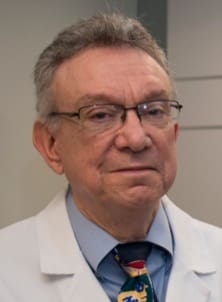
Kenneth Frumkin, PhD, MD, FACEP studied physiological psychology (the interaction of the body’s basic biologic mechanisms with behavior) in college and graduate school. He earned his Masters and Ph.D. degrees from McGill University for his work on the relative contributions of nature and nurture to the ingrained survival mechanism of poison-avoidance in rats. After two years of research at the U.S. Army’s Biomedical Laboratories, Ken went on to medical school and a residency in emergency medicine. His 36-year medical career was split between community hospital emergency departments and teaching, research, and practice in military academic medical centers.
Board-certified in his specialty, Dr. Frumkin is the author of over three dozen peer-reviewed publications and textbook chapters in psychology and medicine. His article “How to Survive the Emergency Room” published in the AARP Bulletin, was a 2022 National Mature Media Merit Award winner. A complete list of publications and complete resume are at www.linkedin.com/in/KennethFrumkinPhDMD . A Fellow and Life Member of the American College of Emergency Physicians and their Geriatric Emergency Medicine Section, Dr. Frumkin is also an Emeritus member of the Society for Academic Emergency Medicine and their Academy of Geriatric Emergency Medicine. Having retired as a civilian employee of the Department of the Navy in 2017, Dr. Frumkin is currently a volunteer member of the academic faculty at the Emergency Medicine Residency, Naval Medical Center, Portsmouth, Virginia.
Dr. Frumkin writes from the perspective of a practiced author and researcher and, most importantly, as a fellow boomer with “skin in the game.” He, too, is seeking the answers to nearly every older-person’s questions about their fluctuating memories and the possibility of progressive cognitive decline. His book "Aging or Alzheimer’s? A Doctor’s Personal Guide to Memory Loss, Cognitive Decline, and Dementia" comes out November 5, 2024. (AgingOrAlzheimers.com)

Posted in:
Ken Frumkin
0 Comments
Oldest
Newest Most Voted