

I was born here in the US, but my parents were not. The US has a record high of 53.3 million foreign-born residents which makes up 15.8% of the total US population. It is the highest number and share of immigrants in US history and my mom and dad are part of that number. Cultural assimilation is a journey, not a destination. It’s the process through which immigrants and their descendants adopt aspects of the host culture—often the dominant American way of life—while potentially retaining elements of their original culture. For many, especially children of immigrants, this balancing act begins the moment they start interacting with American society—school, friends, media, and public institutions. But the story isn’t so simple. The influence of parents’ culture runs deep, shaping every decision, emotion, and identity struggle. From the language spoken at home to the values emphasized at the dinner table, my parents’ cultural roots act as the first lens through which I interpret the world.
Now, America is often dubbed a “melting pot,” but let’s be honest—it’s more like a salad bowl. Each piece maintains its shape, flavor, and texture while mixing with others. Some embrace American values more readily; others resist out of fear of cultural loss. Your parents’ approach to this—whether protective, open, or rigid—sets the tone for engaging with American norms. Are they strict about speaking your native language at home? Do they expect you to marry within your ethnicity or religion? These expectations might seem minor, but they profoundly influence how you view American customs—and yourself. Immigrant families don’t just move countries; they move entire worlds. Parents bring their customs, language, and often deeply rooted expectations, while children are expected to navigate a system where fitting in is key. This often leads to tension. Children may want to blend into American culture to avoid ridicule or feel accepted, but parents might see this as betrayal or loss of heritage.
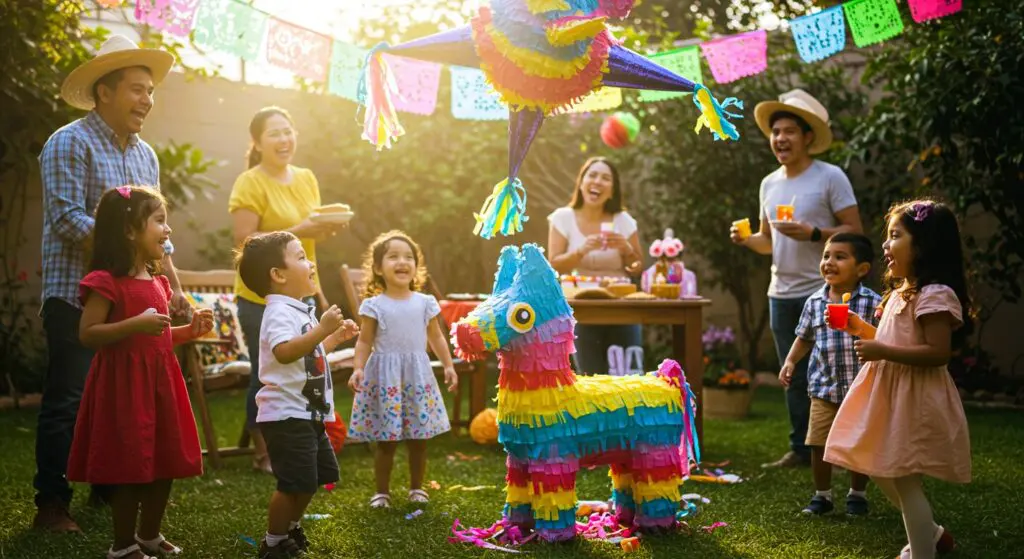
Immigrant parents usually carry emotional baggage—be it economic hardship, political Trauma, or simply the challenge of leaving everything familiar behind. They want their kids to succeed, but success is often defined through their cultural lens. Maybe it’s academic excellence, maybe it’s Marriage within the community, or maybe it’s religious devotion. For the American-born or raised child, this often feels like walking a tightrope—trying not to fall off either side.
Before you step into school, social settings, or the workplace, your first teachers are your parents. They pass on their beliefs, language, food preferences, religious rituals, and behavioral expectations—whether intentionally or unconsciously. In many cultures, Family isn’t just important, it’s everything. Your parents often see themselves as guardians of your identity, responsible for making sure you don’t “forget where you came from.” For example, in many Asian, Middle Eastern, or Latinx households, respect for elders isn’t just a suggestion—it’s non-negotiable. That cultural value shapes how children behave in school, how they address teachers, or even how they argue (or don’t) with peers. If American culture encourages children to speak up and express themselves freely, immigrant parents might view that as rude or inappropriate. This cultural contradiction creates inner conflict for children raised in both worlds.
Your parents’ values shape your internal compass. From how you interpret success to how you choose friends; these values stick with you. Maybe your parents emphasize collectivism—putting family before self. In contrast, American culture often emphasizes individualism— “do what makes YOU happy.” The tension between these values can be intense. You might want to pursue a passion in art, but your parents expect you to become a doctor or engineer. It’s not that they don’t believe in your dreams; it’s that their definition of Security and success is rooted in their cultural experience. Another example is emotional expression. Some cultures discourage outward displays of emotion, equating it with weakness or disrespect. American culture, on the other hand, often champions emotional openness. If you’ve ever felt caught between expressing your feelings and not wanting to disappoint your parents, you’re experiencing this clash firsthand. Over time, these opposing messages influence your emotional intelligence, Relationships, and even Mental Health.
Being the child of immigrants can sometimes feel like you’re living two lives. At home, you follow one set of rules—speak your native language, eat traditional food, follow customs. At school or in public, it’s a different world—slang, American pop culture, and social dynamics that your parents might not even understand. This duality can be exhausting. You’re constantly code-switching, adjusting your behavior based on who you’re with. This isn’t just about fitting in—it’s about survival. You want to be accepted, but you also don’t want to let go of your roots. Some days, you might lean heavily into your heritage; other days, you might want to bury it just to avoid standing out. And that constant switch can create identity confusion. Who are you really?
This internal tug-of-war can be both empowering and isolating. On the one hand, having access to two cultures can make you more adaptable, open-minded, and resilient. On the other, it can feel like you’re never fully accepted by either group. You’re “too American” for your parents and “too ethnic” for your American peers. That sense of in-betweenness can lead to self-doubt and even resentment. Some try to resolve this by choosing one identity over the other, but even that’s complicated. Embracing your American side might make your parents feel like you’re abandoning your roots. Embracing your heritage might make it harder to connect with mainstream peers. The challenge is finding peace in that gray area, learning that being both is not a weakness, but a unique strength.

Language is more than communication—it’s identity. If you grew up speaking your parents’ native language at home and English outside, you know the mental gymnastics involved. You switch languages not just with words, but with mannerisms, tone, and even personality. Speaking both languages gives you a broader worldview, deeper family connection, and often a competitive edge in school or work. But it also comes with pressure. Your parents may expect you to be fluent in your heritage language, using it to communicate with elders, read cultural texts, or participate in rituals. But mastering two languages isn’t easy, especially when one isn’t used in the broader society. As English becomes dominant, you might lose fluency in your native tongue, causing guilt or a sense of disconnection from your roots.
Losing the language of your parents can feel like losing a piece of yourself. It can create emotional distance between generations. Imagine not being able to fully express yourself to your grandparents or understand the nuances in cultural proverbs and jokes. This loss isn’t just linguistic—it’s cultural. It impacts how you relate to your heritage, how much of it you pass on, and how connected you feel to your community. Ironically, while your parents might see English as the key to success in America, they also worry that speaking too much of it at home will make you forget where you come from. This push-pull over language reflects the deeper struggle of assimilation—how to succeed in a new world without losing the old one.
Belonging is more than fitting in—it’s about feeling seen, valued, and understood. For many immigrant kids, that sense of belonging doesn’t come from one place. It’s found in moments—in shared laughter at cultural jokes, in the comfort of a family meal, in the understanding glance of someone who’s lived your experience. Building that sense of belonging requires effort. It means seeking out communities that affirm your identity—whether it’s cultural clubs, online forums, faith groups, or friend circles. These spaces provide validation. They remind you that you’re not alone in your struggle, and that your dual identity is something others not only understand but celebrate.
Ethnic neighborhoods, community centers, and diaspora networks play a crucial role in assimilation. They offer a soft landing—a place where your parents can shop, speak their language, and feel at home. For me, these spaces can be both comforting and limiting. They offer cultural immersion but sometimes feel like a bubble. The challenge is integrating these communities into your broader life without being isolated from the rest of society. That balance—staying grounded in your roots while reaching out to new experiences—is what makes assimilation sustainable and fulfilling. When done right, diaspora communities aren’t just places to preserve the past. They become launchpads for future leaders, creators, and changemakers who blend cultural Legacy with modern vision.
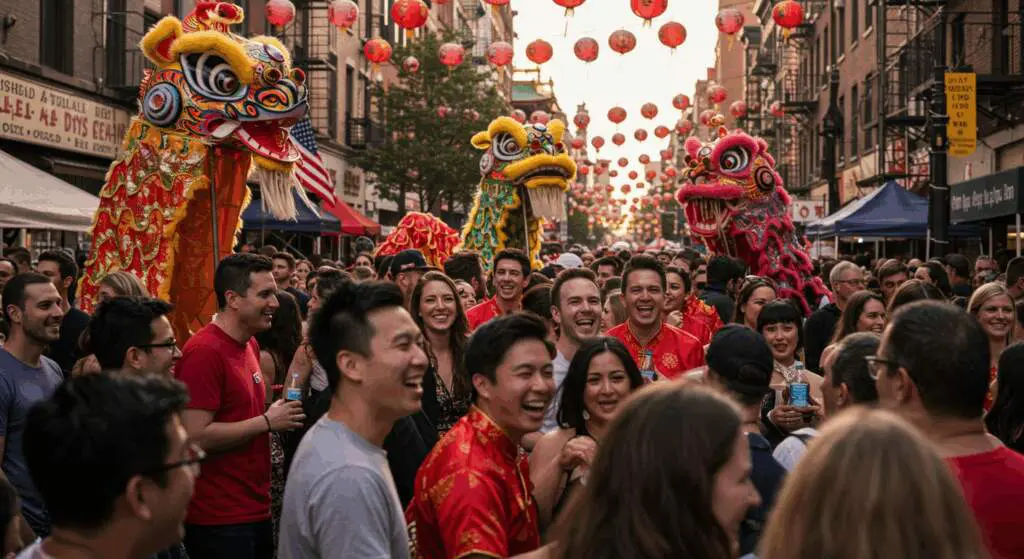
The journey of assimilation is complex, especially when shaped by your parents’ culture. It’s not a simple matter of choosing one identity over another. It’s about building bridges, navigating tensions, and finding your place in the world with grace and courage. Your parents’ traditions give you roots; your American experience gives you wings. Assimilation doesn’t mean losing who you are, it means expanding it. By learning how to live between worlds, you create a new one—richer, more vibrant, and uniquely yours. So, I honor my heritage. I speak both languages. I celebrate both cultures. And never forget I don’t have to choose. I am both.